
Gymshark transformed from a startup founded in 2012 into a global fitness apparel powerhouse valued at £1.5 billion, achieving this remarkable growth through a distinctive digital-first marketing approach. The British brand revolutionized how fitness companies connect with their audiences by prioritizing authentic community building over traditional advertising methods.
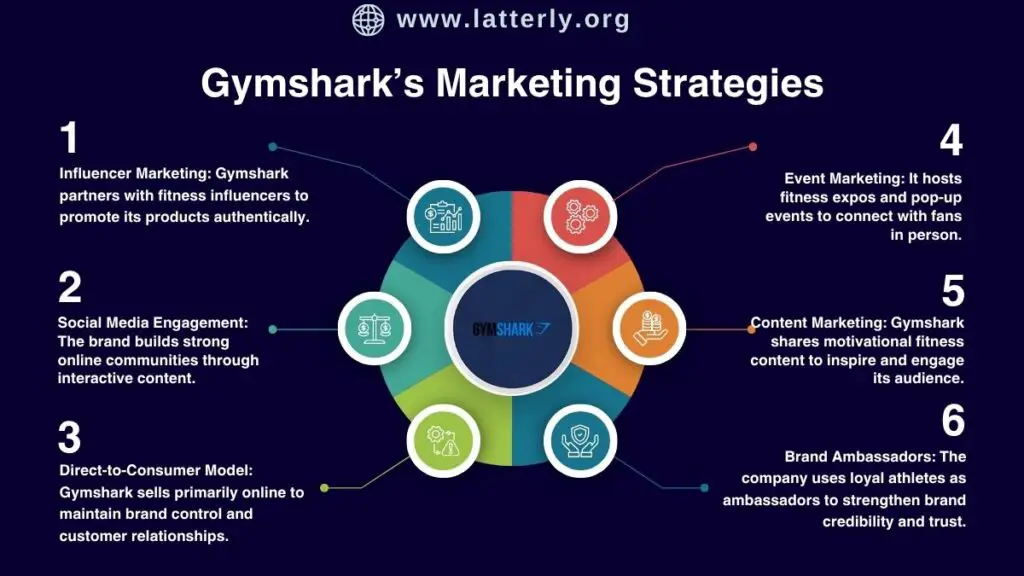
Gymshark’s marketing strategy centers on influencer partnerships, social media engagement, and user-generated content that creates genuine connections with fitness enthusiasts rather than relying on conventional paid advertising. The company allocated significant resources to collaborating with fitness influencers and athletes who embody their brand values, resulting in organic reach across millions of followers on platforms like Instagram, TikTok, and YouTube.
The brand’s success stems from understanding that modern consumers, particularly young adults and teenagers, seek authentic experiences and community belonging rather than polished corporate messaging. This comprehensive analysis examines how Gymshark built their marketing framework around data-driven insights, strategic product launches, and customer loyalty initiatives that continue to drive their expansion into new markets and demographics.
Core Elements of the Gymshark Marketing Strategy
Gymshark’s marketing foundation rests on three strategic pillars that transformed the company from a startup to a £1.5 billion fitness empire. The brand leverages digital platforms as primary channels, maintains authentic storytelling rooted in its founders’ vision, and operates through a streamlined direct-to-consumer model.
Digital-First Approach
Gymshark built its entire marketing infrastructure around digital platforms rather than traditional advertising channels. The company allocated significant portions of its marketing budget to social media engagement and influencer partnerships instead of conventional marketing methods.
Social Media Dominance
- Instagram: 6.7 million followers showcasing fitness enthusiasts
- TikTok: 5.2 million followers with entertaining gym content
- YouTube: 503K subscribers receiving workout tips and recipes
- Twitter: 368,646 followers engaging through relatable content
The brand actively engages across all major platforms simultaneously. They post over 40 videos monthly on TikTok alone, maintaining consistent content flow.
Gymshark utilizes strategic hashtag campaigns like #Gymshark66 to amplify organic reach. Their “66 Days|Change Your Life” TikTok campaign generated 45.5 million views and 1.9 million likes.
Content marketing extends beyond social media through Gymshark Central blog. This platform shares fitness tips, nutrition advice, and health information to establish industry authority.
Brand Story and Founders
Ben Francis and Lewis Morgan founded Gymshark in 2012 with a clear vision for the fitness community. Their authentic founder story resonates with young entrepreneurs and fitness enthusiasts who identify with starting from humble beginnings.
The founders initially focused on men’s fitness apparel but quickly adapted to market demands. They recognized opportunities in women’s fitness wear, which now accounts for over two-thirds of total sales.
Key Brand Elements:
- Authenticity: Real fitness journeys over polished advertising
- Community: Building belonging rather than just selling products
- Adaptability: Shifting focus based on customer feedback and market data
Francis and Morgan maintain active involvement in brand messaging. They emphasize genuine connections with their target audience of fitness-conscious young adults and teenagers.
The brand story incorporates mental health awareness, particularly targeting young males. This demographic faces significant mental health challenges, making Gymshark’s wellness messaging especially relevant.
E-Commerce and Direct-to-Consumer Model
Gymshark operates primarily through direct-to-consumer channels, eliminating traditional retail intermediaries. This model provides complete control over customer experience and brand presentation.
The company leverages e-commerce platforms to reach customers in over 130 countries. Their digital-first approach enables global expansion without physical infrastructure requirements.
Direct-to-Consumer Benefits:
- Higher profit margins without retail markups
- Complete control over brand messaging
- Direct customer data collection
- Faster response to market trends
Gymshark achieved £250,000 in annual revenue within two years through focused e-commerce strategies. They prioritize customer retention and relationship building over quick acquisition tactics.
The brand plans strategic expansion into physical retail with their first London store. This represents careful integration of offline touchpoints while maintaining digital-first priorities.
User-generated content drives significant e-commerce traffic. Customers sharing fitness journeys create authentic marketing that converts better than traditional advertising approaches.
Understanding Gymshark’s Target Audience
Gymshark targets digitally native Millennials and Gen Z fitness enthusiasts aged 16-35 who actively engage with fitness culture through social media platforms. These community-oriented consumers prioritize both performance and style while seeking authentic brand connections through Instagram, TikTok, and YouTube.
Demographic and Psychographic Profile
Gymshark’s core demographic consists of Millennials and Gen Z individuals between 18-35 years old, with a secondary focus on the 16-25 age segment. The brand targets both men and women, though women’s collections like the Vital Seamless line drive higher sales volumes.
These consumers are predominantly urban dwellers who prioritize active lifestyles and wellness. They demonstrate varied income levels but show willingness to invest in aspirational fitness brands despite being budget-conscious.
Psychographically, this audience values authenticity, body positivity, and inclusivity. Fitness serves as a central component of their identity, often intertwined with their social media presence and personal brand.
The target market exhibits tech-savvy behaviors and maintains strong digital connectivity. They actively participate in online fitness communities, sharing workout routines, style choices, and fitness journeys across multiple platforms.
Fitness Enthusiasts and Community Mindset
Gymshark’s audience consists of dedicated fitness enthusiasts who engage in weight training, CrossFit, and various workout techniques. These individuals thrive within gym-focused communities and value being perceived as committed gym-goers.
The gymshark community emphasizes belonging and shared fitness culture values. Younger segments particularly seek welcoming, inclusive fitness environments rather than intimidating hardcore gym settings.
Community-oriented thinking drives purchasing decisions within this demographic. They prioritize peer recommendations, social proof, and online reviews when selecting fitness apparel brands.
Fitness culture significantly influences their lifestyle choices and brand preferences. They follow fitness trends closely and integrate wellness practices into both physical and mental well-being routines.
These consumers demonstrate aspirational buying behavior, willing to pay premium prices for gym wear that enhances both workout performance and aesthetic appearance.
Platform Preferences and Engagement
Instagram serves as the primary platform for Gymshark’s target audience, where they follow fitness influencers, discover workout inspiration, and engage with brand content. The platform’s visual nature aligns perfectly with fitness transformation content and product showcases.
TikTok attracts the younger demographic segment (16-25), where fitness trends emerge and spread rapidly. Users actively participate in fitness challenges and workout tutorials on this platform.
YouTube provides longer-form content consumption for detailed workout routines, fitness education, and influencer collaborations. The platform supports Gymshark’s comprehensive content marketing strategy.
The audience maintains strong social media presence across multiple platforms simultaneously. They share personal fitness journeys, workout achievements, and product reviews regularly.
Fitness trends spread quickly through these platforms, with the target demographic serving as both consumers and creators of viral fitness content. They closely monitor emerging workout techniques, nutrition trends, and fitness fashion developments.

Social media engagement influences purchasing decisions significantly, with fitness enthusiasts relying on influencer recommendations and peer validation before making brand commitments.
Influencer and Athlete-Driven Marketing
Gymshark’s marketing success stems from strategic partnerships with fitness influencers and athletes who genuinely embody the brand’s values. The company prioritizes authentic relationships over one-time campaigns, building long-term collaborations that drive both brand awareness and sales.
The Role of Fitness Influencers
Gymshark recognized the power of influencer marketing early in its development. The brand collaborates with fitness personalities like Whitney Simmons to expand reach and build credibility within the fitness community.
These partnerships extend beyond simple product placements. Influencers create workout content, share transformation stories, and engage with Gymshark’s community across platforms like Instagram, TikTok, and YouTube.
The brand works with both micro-influencers and mega-influencers. Micro-influencers achieve engagement rates of 17.96% on TikTok, significantly higher than mega-influencers at 4.97%.
Gymshark’s TikTok collaborations with creators like Melanie walking, Rybka Twins, and Laurie Elle demonstrate their platform-specific approach. The “66 Days, Change Your Life” campaign generated 1.9 million likes and 45.5 million views through influencer participation.
Gymshark Athletes vs. Ambassadors
Gymshark maintains distinct tiers within its influencer program. Athletes represent the brand’s elite performance category, while ambassadors focus on lifestyle and community engagement.
The athletes category includes professional fitness competitors and bodybuilders who showcase Gymshark’s technical performance capabilities. These partnerships emphasize product functionality and competitive performance.
Brand ambassadors target the everyday fitness enthusiast demographic. They create relatable content about gym experiences, fitness journeys, and lifestyle integration.
This tiered approach allows Gymshark to reach multiple audience segments simultaneously. Elite athletes inspire aspirational purchases, while ambassadors provide accessible entry points for new customers.
Authentic Partnerships and Selection
Gymshark selects influencers based on value alignment rather than follower count alone. Partners must genuinely represent the brand’s fitness-focused lifestyle and community values.
The selection process evaluates engagement rates, audience demographics, and content quality. Gymshark prioritizes creators who produce consistent fitness-related content and maintain active community interaction.
Long-term relationships characterize Gymshark’s partnership strategy. Rather than short-term campaigns, the brand invests in ongoing collaborations that build trust and authenticity.
Partners receive creative freedom to maintain their personal voice while representing Gymshark products. This approach ensures content feels genuine rather than overly promotional.
Affiliate Marketing and Collaborations
Gymshark operates comprehensive affiliate programs that extend beyond traditional influencer partnerships. The system includes performance-based commissions and exclusive product access.
Collaborations often feature limited-edition releases and exclusive colorways. These partnerships create scarcity-driven demand and generate anticipation among followers.
The brand leverages user-generated content from affiliate partners to amplify reach. Customers share their Gymshark experiences using branded hashtags like #gymshark, creating organic marketing content.
Strategic product launches involve coordinated influencer campaigns. Multiple partners simultaneously showcase new releases, creating concentrated market impact and driving immediate sales conversions.
Social Media Dominance and Engagement
Gymshark has established itself as the leading fitness apparel brand through strategic social media presence across multiple platforms, generating millions of followers and unprecedented engagement rates. The brand’s success stems from platform-specific content strategies, authentic storytelling approaches, and systematic cultivation of user-generated content campaigns.
Platform-Specific Strategies
Gymshark tailors its content approach to maximize each platform’s unique strengths. On Instagram, with 6.7 million followers, the brand showcases fitness enthusiasts wearing Gymshark apparel during weightlifting sessions and workout routines.
The platform serves as their primary visual showcase, featuring high-quality images and stories that drive organic traffic through consistent use of the #gymshark hashtag.
TikTok represents their fastest-growing channel with 5.2 million followers and 52.2 million likes. The brand posts over 40 videos monthly, sharing entertaining gym stories and relatable fitness content that resonates with younger audiences.
Their TikTok strategy focuses on authentic, unpolished content that feels genuine rather than overly produced.
YouTube functions as their educational hub with 503,000 subscribers. The platform hosts workout videos, fitness tips, and recipe content through YouTube Shorts format.
Twitter maintains the highest activity level with 368,646 followers, where Gymshark engages through relatable tweets and fitness memes. This platform serves as their primary customer service and community interaction channel.
Content Creation and Storytelling
Gymshark creates motivational content that transforms fitness journeys into compelling narratives. Their storytelling approach focuses on real transformations rather than polished advertisements.
The brand operates Gymshark Central, a dedicated blog featuring fitness tips, health information, and supplement guidance. This content positions them as fitness authorities while providing genuine value to their audience.
Motivational content forms the backbone of their strategy. They share stories of personal growth, mental health awareness, and fitness achievements that inspire their community to pursue their goals.
Their Spotify playlists feature curated workout music from popular fitness celebrities, extending their brand presence beyond traditional social media platforms.
Video content includes workout demonstrations, behind-the-scenes footage, and athlete collaborations. These videos maintain authenticity while showcasing product functionality in real workout environments.
The brand’s hashtag strategy drives massive organic reach across platforms. The #gymshark hashtag appears on all posts, creating a unified content ecosystem that users can easily discover and contribute to.
Their “66 Days, Change Your Life” campaign exemplifies successful user-generated content cultivation. The campaign generated 1.9 million likes, 12,576 comments, and 45.5 million views across platforms.
User-generated content campaigns encourage customers to share their fitness journeys while wearing Gymshark products. This approach creates authentic testimonials while reducing content creation costs.
The brand actively reposts customer content, transforming buyers into brand ambassadors. This strategy builds community connection while providing social proof to potential customers.
Gymshark’s social media engagement rates consistently outperform competitors like Under Armour. Their community-driven approach generates higher views, engagement rates, and follower growth through authentic interaction rather than paid promotion.
Community Building Initiatives
Gymshark has developed a comprehensive community building strategy that extends beyond digital platforms to create meaningful connections with fitness enthusiasts worldwide. The brand combines physical events, global tours, and online support systems to foster a sense of belonging among their audience.
Offline Fitness Events and Expos
Gymshark actively participates in major fitness events and expos to connect with their community face-to-face. The brand sponsors and attends industry events like BodyPower Expo and various fitness competitions across multiple countries.
These events feature Gymshark-sponsored athletes and influencers who interact directly with fans. Attendees can try on products, participate in workout sessions, and receive personalized fitness advice from brand ambassadors.
The company creates exclusive product launches at these events. Limited edition items and early access to new collections drive attendance and create buzz around their booth locations.
Gymshark also hosts meet-and-greet sessions with popular fitness personalities like Whitney Simmons and other brand partners. These interactions strengthen the emotional connection between customers and the brand while generating user-generated content for social media platforms.
Gymshark World Tour
The Gymshark World Tour represents the brand’s flagship community initiative. This traveling event series visits major cities across different continents to bring the Gymshark experience directly to local communities.
Each tour stop features intensive workout sessions led by Gymshark athletes. Participants engage in group training sessions that showcase the functionality and style of Gymshark apparel in real workout environments.
The events include product showcases where attendees can experience new collections before official releases. Tour locations often sell out within hours of ticket releases, demonstrating the strong demand for these community experiences.
Local fitness influencers and micro-influencers frequently join tour events as guest trainers. This approach helps Gymshark tap into regional fitness communities while maintaining their global brand presence.
Online Community and Support Groups
Gymshark maintains active online communities across multiple platforms to support their customers’ fitness journeys. Their Reddit community with 7.6K followers serves as a space for product feedback and fitness discussions.
The brand creates specialized support groups for different fitness goals and demographics. Women’s fitness initiatives during Women’s Month included Twitch Takeovers by female creators, providing exposure and awareness for women in fitness.
Gymshark Central, their dedicated blog, offers fitness tips, nutrition advice, and health information. This content platform positions the brand as a fitness authority while providing genuine value to their community members.
The company encourages user-generated content through branded hashtags and challenges. Their “66 Days, Change Your Life” campaign generated millions of social media interactions and created lasting connections between community members sharing similar fitness transformation journeys.
Content Marketing and Brand Messaging
Gymshark’s content marketing strategy centers on authentic brand messaging that resonates with fitness enthusiasts through motivational storytelling and educational resources. The brand maintains consistent communication across multiple channels, from dedicated blog content to targeted email campaigns.
Brand Values and Tone of Voice
Gymshark’s brand values emphasize authenticity, community, and mental health awareness alongside physical fitness. The company has positioned itself as more than an apparel brand by addressing mental health concerns, particularly among young males who represent a significant portion of their audience.
The brand tone of voice remains conversational and motivational without being overly aggressive. Gymshark speaks to its audience as equals rather than from a position of superiority.
Their messaging consistently promotes self-improvement and community support. The brand avoids perfectionist imagery, instead showcasing real transformations and everyday fitness journeys.
Mental health advocacy has become central to their brand values. This approach differentiates Gymshark from competitors who focus solely on physical appearance and performance metrics.
Motivational and Educational Content
Gymshark Central serves as the brand’s primary content hub, delivering fitness tips, health information, supplement guidance, and healthy recipes. This dedicated blog positions the company as an authority in the fitness industry beyond product sales.
The content strategy extends to curated Spotify playlists featuring popular fitness celebrities. These playlists provide additional value to customers during their workout sessions.
User-generated content campaigns like “66 Days Change Your Life” demonstrate the brand’s commitment to motivational content. The campaign generated 1.9 million likes, 12,576 comments, and 45.5 million views across social platforms.
Gymshark creates workout tips and fitness moments through YouTube shorts. This format delivers educational content in easily digestible segments that align with modern content consumption patterns.
Newsletters and Email Campaigns
Gymshark leverages email marketing to maintain direct communication with their customer base and drive retention. Their email campaigns focus on building lasting relationships rather than purely transactional messaging.
The brand uses newsletters to share exclusive content, early product access, and community stories. This approach supports their customer retention strategy and cultivates brand loyalty.
Email campaigns often feature transformation stories from real customers. These narratives reinforce the brand’s authenticity and community-driven approach to fitness motivation.
Gymshark coordinates email marketing with social media campaigns to create cohesive messaging across channels. This integration ensures consistent brand messaging throughout the customer journey.
Product Strategy and Launches
Gymshark’s product strategy centers on creating high-quality athleisure wear through strategic innovation while leveraging scarcity marketing tactics to drive demand. The brand combines functional fitness apparel with detailed product information to enhance customer experience and reduce returns.
Innovation and Athleisure Wear
Gymshark built its reputation by developing athleisure wear that bridges the gap between gym functionality and street fashion. The company originally focused on men’s fitness apparel but quickly recognized the potential in women’s segments.
By 2020, women’s apparel accounts for more than two-thirds of Gymshark’s total sales. This shift demonstrates their ability to adapt product lines based on market demand and customer feedback.
The brand prioritizes high-quality fitness apparel that combines performance features with trendy designs. Their products appeal to fitness enthusiasts who value both functionality during workouts and style for casual wear.
Gymshark actively incorporates customer feedback into new product designs and launches. They listen to their target audience’s preferences to ensure products meet evolving demands in the competitive athleisure market.
Limited-Edition and Scarcity Marketing
Gymshark employs a scarcity marketing strategy that mirrors tactics used by top streetwear brands. Rather than continuously restocking popular items, they release products in limited drops to create urgency among customers.
This approach generates FOMO (fear of missing out) and ensures products sell out quickly. Limited-edition releases maintain brand exclusivity while driving immediate purchasing decisions.
Strategic product launches play a significant role in capturing audience attention. The company uses teasers and influencer collaborations to build anticipation before releases.
These launches create buzz on social media platforms and strengthen the brand’s sought-after image. Quick sell-outs reinforce the perception of high demand and brand desirability.
Product Descriptions and Size Guides
Gymshark provides comprehensive product descriptions that detail fabric composition, fit specifications, and performance features. These descriptions help customers make informed purchasing decisions and set proper expectations.
Size guides offer detailed measurements and fitting recommendations to reduce return rates. The brand includes specific sizing charts for different product categories and body types.
Clear product information addresses common customer concerns about online apparel shopping. Detailed specifications help build trust and confidence in purchase decisions without trying items on first.
The company’s focus on accurate product information supports their direct-to-consumer model and international shipping operations across more than 130 countries.
Customer Experience and Loyalty
Gymshark builds customer loyalty through strategic programs, authentic social proof, and carefully managed promotional offers that create exclusivity while maintaining brand value. The company emphasizes customer retention by focusing on building lasting relationships rather than just acquiring new customers.
Brand Loyalty Programs
Gymshark operates a Gymshark Central membership program that provides exclusive access to content, early product releases, and community features. Members receive priority notifications for limited edition drops and special collections before general availability.
The brand focuses heavily on customer retention through personalized experiences. They utilize consumer data to offer tailored shopping recommendations that boost customer lifetime value. This data-driven approach helps maintain long-term relationships with fitness enthusiasts.
Gymshark’s loyalty strategy extends beyond traditional programs. They create a sense of belonging through community-driven initiatives like the “66 Days Change Your Life” challenge. Participants become brand advocates by sharing their fitness journeys and transformations.
The company measures loyalty through engagement metrics across social platforms. Their approach prioritizes authentic connections over transactional relationships. This strategy has helped them achieve a £1.5 billion valuation while maintaining strong customer relationships.
Customer Reviews and Social Proof
User-generated content serves as Gymshark’s primary form of social proof. Customers regularly share workout photos and transformation stories while wearing Gymshark apparel across Instagram, TikTok, and YouTube platforms.
The brand actively encourages customers to post about their fitness journeys using branded hashtags like #gymshark and #Gymshark66. This creates authentic testimonials from real users rather than paid advertisements. These posts generate millions of impressions and build trust with potential customers.
Gymshark leverages customer feedback to improve product designs and launches. They actively listen to their community’s opinions and incorporate suggestions into new collections. This responsive approach demonstrates that the brand values customer input.
Social media platforms serve as review channels where customers share experiences with specific products. The brand’s 6.7 million Instagram followers regularly engage with content featuring real customers wearing Gymshark clothing during workouts.
Selective Discount Codes and Offers
Gymshark maintains premium pricing by using selective discount strategies rather than frequent sales. They offer limited-time promotions during specific events like Black Friday or new product launches to create urgency without devaluing the brand.
The company provides exclusive offers to email subscribers and loyalty program members. These targeted discounts reward existing customers while encouraging sign-ups for their marketing channels. Student discounts and military discounts target specific demographics aligned with their audience.
Scarcity marketing plays a key role in their promotional strategy. Limited edition releases and collaborations with influencers create high demand that often results in quick sell-outs. This approach maintains exclusivity while driving immediate purchases.
Gymshark avoids constant promotional pricing that competitors use. Instead, they focus on product quality and brand value to justify premium prices. When they do offer discounts, customers perceive them as special opportunities rather than expected savings.
Marketing Mix of Gymshark
Product
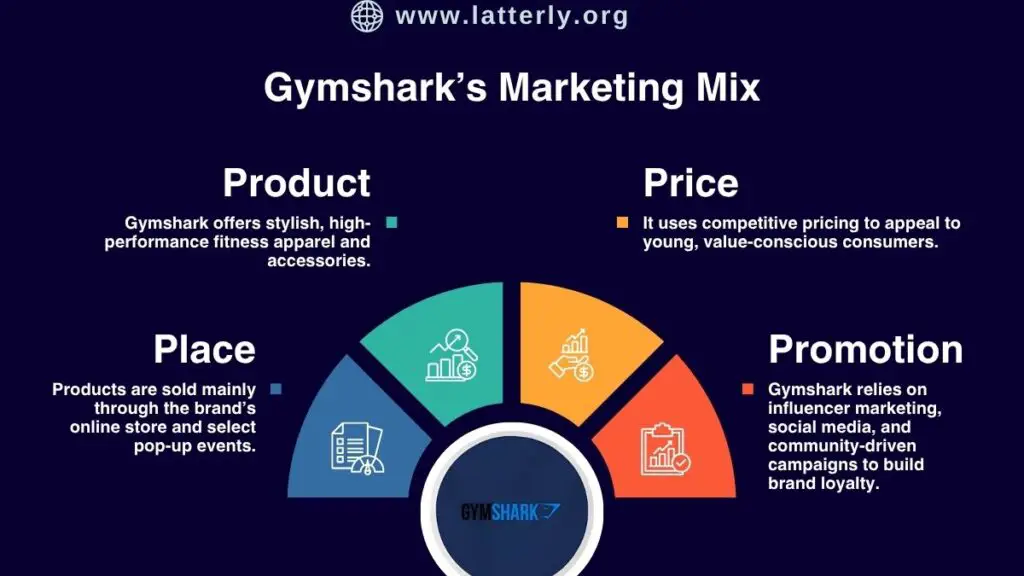
Gymshark offers a wide range of fitness apparel and accessories designed to enhance performance and style. The brand focuses on high-quality materials, innovative designs, and comfort to appeal to gym-goers and athletes. Its products include leggings, shorts, t-shirts, hoodies, and gym equipment, all tailored for both men and women. Gymshark also emphasizes functionality with features such as sweat-wicking fabrics and seamless construction that supports movement during workouts.
Price
Gymshark adopts a value-based pricing strategy, balancing affordability with perceived quality. The brand positions itself as a premium yet accessible label within the fitness apparel market. By selling directly to consumers through its website, Gymshark eliminates middlemen, reducing costs while maintaining healthy profit margins. The pricing reflects the brand’s focus on quality and community loyalty rather than deep discounting or mass-market pricing.
Place
Gymshark primarily operates through its online store, which allows the brand to maintain global reach and control over customer experience. This direct-to-consumer approach helps build strong relationships with customers and gather valuable data on purchasing behavior. The company also occasionally hosts pop-up stores and fitness events to strengthen its community presence and offer in-person experiences that reinforce brand loyalty.
Promotion
Gymshark’s promotion strategy is heavily focused on digital marketing, influencer collaborations, and social media engagement. The brand leverages platforms such as Instagram, TikTok, and YouTube to connect with fitness enthusiasts and build a sense of belonging. Influencer partnerships and athlete endorsements help drive authenticity and trust among followers. Additionally, Gymshark uses limited-edition drops and event-based campaigns to create excitement and exclusivity around its products, reinforcing its image as a modern and community-driven fitness brand.
Competitive Landscape in the Fitness Apparel Market
Gymshark competes against established giants like Nike, Adidas, and lululemon while capitalizing on digital-first strategies and community engagement. The fitness apparel industry continues evolving with sustainability trends, direct-to-consumer models, and technology integration shaping competitive dynamics.
Comparisons with Nike, Adidas, and lululemon
Nike dominates the global athletic wear market with approximately $51 billion in annual revenue, leveraging traditional advertising and celebrity endorsements. The brand focuses on performance innovation and mass market appeal across multiple sports categories.
Adidas generates around $25 billion annually through similar traditional marketing approaches. Both Nike and Adidas rely heavily on retail partnerships and television advertising, contrasting with Gymshark’s digital-native strategy.
lululemon presents the closest competitive threat to Gymshark’s positioning. The brand targets premium athleisure consumers with annual revenues of $8.1 billion. lululemon emphasizes community building through yoga studios and local events.
Gymshark differentiates itself through influencer-driven marketing and social media dominance. The brand achieved a £1.5 billion valuation while spending significantly less on traditional advertising than competitors.
Key competitive advantages:
- Digital engagement rates surpass Under Armour metrics
- Influencer partnerships reduce customer acquisition costs
- Community-focused content drives organic reach
- Direct-to-consumer model maintains higher margins
Emerging Fitness Apparel Industry Trends
The fitness apparel industry increasingly prioritizes sustainability and eco-friendly materials. Brands develop recycled fabric technologies and carbon-neutral production processes to meet consumer demands.
Technology integration reshapes product development across the sector. Smart fabrics, moisture-wicking innovations, and performance tracking capabilities become standard features.
Direct-to-consumer sales continue growing as brands bypass traditional retail channels. This trend accelerated during the pandemic, forcing established players to strengthen digital capabilities.
Micro-influencer partnerships replace expensive celebrity endorsements industry-wide. Brands recognize higher engagement rates from smaller, niche fitness personalities compared to mainstream athletes.
Gender-inclusive sizing and diverse representation drive product development decisions. The fitness apparel market expands beyond traditional demographics to capture broader consumer segments.
Athleisure crossover blurs lines between workout gear and everyday fashion. Consumers seek versatile pieces suitable for both gym sessions and casual wear, influencing design priorities across brands.
Data-Driven Insights and Future Growth
Gymshark’s transformation from a bedroom startup to a billion-dollar fitness brand relies heavily on data analytics and strategic adaptation to market changes. The company uses comprehensive data collection to optimize campaigns and product development while monitoring emerging fitness trends to maintain its competitive edge.
Leveraging Data for Strategic Decisions
Gymshark implemented a sophisticated data and analytics infrastructure to support its rapid growth trajectory. The company partnered with data specialists to transform how it processes customer information and campaign performance metrics.
Maxwell Petitjean, Gymshark’s product insight manager, oversees the brand’s data-driven approach to decision making. The company tracks engagement rates, conversion metrics, and customer behavior patterns across multiple platforms.
Key data points Gymshark monitors include:
- Social media engagement rates across platforms
- Influencer campaign performance metrics
- Customer acquisition costs and lifetime value
- Product sales data by demographic segments
The brand’s digital advertising strategy became increasingly complex as it expanded globally. Gymshark now uses advanced attribution models to optimize campaigns efficiently across multiple platforms and geographic markets.
Data insights revealed that women’s apparel accounts for over two-thirds of total sales as of 2020. This information guided product development priorities and marketing budget allocation decisions.
The company’s e-commerce platform generates valuable customer data that informs inventory management and seasonal product launches.
Adapting to Evolving Fitness Trends
Gymshark continuously monitors fitness industry trends to maintain brand visibility and relevance among its target audience. The company adapts its product lines and marketing messages based on emerging workout styles and consumer preferences.
Community building remains central to Gymshark’s trend adaptation strategy. The brand encourages user-generated content to identify popular fitness trends organically through customer posts and engagement patterns.
Recent trend adaptations include:
- Mental health awareness campaigns targeting young male demographics
- Athleisure fashion integration beyond traditional gym wear
- Sustainable fitness apparel development initiatives
The company tracks social media conversations and hashtag performance to identify emerging fitness movements early. TikTok particularly serves as a trend discovery platform with over 3.4 million followers providing real-time feedback.
Gymshark’s influencer partnerships help the brand stay connected to grassroots fitness trends. Collaborations with micro-influencers often reveal niche workout styles before they reach mainstream popularity.
The brand’s Spotify playlists and YouTube content reflect current fitness preferences and workout formats. This content strategy positions Gymshark as both a product provider and lifestyle curator within the fitness community.
