
Nintendo is one of the most influential names in interactive entertainment, renowned for shaping how people play and connect with games. From beloved characters to distinctive consoles, the company blends creativity with approachable technology to reach audiences across generations. A clear assessment of its position helps explain why it continues to thrive amid rapid industry change.
Conducting a SWOT analysis illuminates Nintendo’s competitive advantages, the constraints it faces, and the strategic options available in the next hardware cycle. The company’s hit driven model, expanding cross media ventures, and unique brand promise create both opportunities and risks. This review frames the factors that will guide sustainable growth and innovation.
You may also find these guides helpful:
1. Nintendo Marketing Strategy
2. Nintendo Marketing Mix
3. Nintendo Competitors
4. Nintendo Business Model
Company Overview
Founded in 1889 in Kyoto as a playing card maker, Nintendo evolved into a global video game leader by the late twentieth century. Breakthrough platforms such as the NES revived the console market and established enduring franchises. Handheld systems like Game Boy and DS broadened gaming’s reach with accessible design and long lasting appeal.
Today, Nintendo’s core businesses span dedicated hardware, first party software, and digital services. The Nintendo Switch popularized a hybrid play model and has sold well over 140 million units worldwide by 2024. Complementary revenue streams include the Nintendo eShop, Nintendo Switch Online, downloadable content, mobile initiatives, and merchandising.
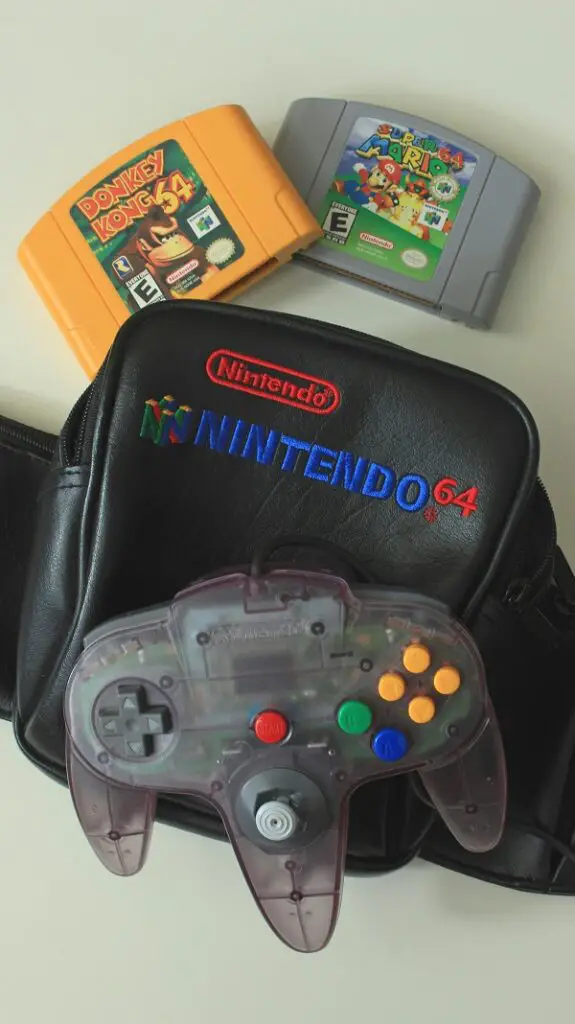
Beyond games, Nintendo licenses its intellectual property into film, animation, and theme park attractions in partnership with leading studios and operators. The Super Mario Bros Movie demonstrated the global resonance of its characters with box office success above the billion dollar mark. This transmedia strategy strengthens brand equity, fuels game discovery, and diversifies cash flow.
Strengths
Nintendo’s strengths center on world class intellectual property, distinctive hardware concepts, and disciplined software execution. The company balances family friendly appeal with depth that satisfies core players. Strong finances and selective partnerships extend its reach while preserving brand integrity.
Iconic and evergreen intellectual property
Few companies command a library as valuable as Mario, The Legend of Zelda, Pokémon, Animal Crossing, and Splatoon. These franchises regularly refresh with new installments while older titles continue to sell, often for years after release. Cross generational recognition reduces marketing risk and drives high awareness at launch.
Transmedia expansion amplifies this effect by meeting audiences beyond consoles. Successful film releases and Super Nintendo World attractions reinforce character affinity and merchandise demand. This flywheel supports premium pricing, repeat engagement, and resilient performance through hardware transitions.
Distinctive hardware innovation and user experience
Nintendo excels at designing playful devices that prioritize fun over raw specifications. The Switch hybrid format, Joy Con controllers, and approachable interface encourage social, portable, and at home play. This user centric focus differentiates Nintendo from rivals that emphasize horsepower.
Hardware choices also unlock unique game design possibilities that competitors cannot easily replicate. Developers inside and outside Nintendo build around local multiplayer, motion input, and handheld convenience. The result is a defensible ecosystem anchored in experiences tied to form factor.
World class first party development and quality
Nintendo’s studios deliver polished, inventive games with broad appeal and strong critical reception. First party releases often define platform identity and set benchmarks for gameplay craftsmanship. High attach rates and word of mouth sustain momentum long after launch windows.
Internal teams collaborate closely with hardware engineers, aligning software concepts with device capabilities. This integration enables elegant performance, intuitive controls, and accessible onboarding. The consistent experience builds trust that new titles will meet or exceed expectations.
Expanding ecosystem, digital services, and licensing
Nintendo eShop and Nintendo Switch Online deepen engagement and monetize beyond the initial game sale. Subscriptions, classic game libraries, cloud saves, and add on content create recurring revenue and retention. A unified Nintendo Account connects users across devices and services.
Licensing extends IP into film, animation, apparel, toys, and themed attractions with partners like Universal. These initiatives widen the funnel for new fans and revive interest in back catalog games. Diversified channels reduce reliance on any single release cycle.
Financial strength and disciplined management
The company maintains substantial cash reserves, limited debt, and a conservative investment posture. That stability supports steady R and D, robust marketing at key moments, and flexible shareowner returns. It also cushions volatility inherent in hardware transitions and hit driven software.
Careful forecasting and cost control underpin consistently healthy margins by industry standards. Nintendo times major launches to maximize capacity, quality, and seasonal demand. This operational discipline helps convert creativity into durable profitability across cycles.
Weaknesses
Nintendo’s enduring strengths in creativity and family-friendly IP coexist with structural weaknesses that constrain growth. As the Switch matures, cracks appear in hardware capability, online infrastructure, and portfolio concentration. These internal limitations could dampen momentum during the transition to the next generation.
Aging hardware and late-cycle platform dependence
The Switch, introduced in 2017, is deep into a late lifecycle that limits technical headroom for modern engines and large-scale productions. Performance ceilings force compromises on resolution, frame rate, and AI complexity, reducing parity with PlayStation and Xbox releases. As developers target newer standards, more projects skip the platform or delay until successor hardware emerges.
Late-cycle economics also tighten, with fewer levers to stimulate demand without eroding margins. Price cuts, bundles, and heavy promotions can lift units but risk devaluing the ecosystem ahead of a successor. A prolonged gap between tentpole releases increases engagement volatility and exposes reliance on a shrinking set of evergreen titles to carry hardware.
Online infrastructure and services lag behind competitors
Nintendo Switch Online still trails rivals on core features like integrated voice chat, modern party systems, and robust matchmaking. Friend codes, inconsistent netcode, and a separate mobile app for voice create friction for social play. These gaps limit competitive multiplayer engagement and hinder the brand’s visibility in esports-style communities.
Content cadence for NSO and the Expansion Pack can feel uneven, with classic libraries missing fan-requested platforms or iconic entries. The account ecosystem remains fragmented, lacking fully unified purchases and entitlements across generations. Perceived value challenges and feature shortfalls increase churn risk and constrain recurring revenue growth during pivotal platform transitions.
Limited third-party AAA support on current hardware
Switch’s aging silicon makes simultaneous launches of graphics-intensive AAA games uncommon, pushing cloud versions or heavy downgrades. Sports simulations, shooters, and visually ambitious RPGs often prioritize more capable consoles and PC. This narrows genre breadth on Nintendo’s flagship system and concentrates sales on first-party releases.
While indie support is strong, eShop discoverability and deep discounting can compress margins and overwhelm consumers. The storefront’s search and curation limitations make it harder for quality titles to rise. The resulting catalog skew, with fewer cutting-edge AAA options, leaves a gap for core audiences seeking the latest marquee multi-platform experiences.
Product quality concerns, notably Joy-Con drift
Persistent reports of Joy-Con analog stick drift have created a long-running reputational issue and after-sales burden. Repairs and replacements add cost and inconvenience, while uncertainty erodes confidence in accessory purchases. Even with mitigation steps, the perception of unresolved hardware durability lingers late into the platform lifecycle.
Quality concerns have also surfaced around performance and stability at launch for select high-profile titles, putting pressure on QA processes. Patches can address issues, yet early impressions shape sentiment and review trajectories. In an era of social media visibility, optics around technical polish weigh heavily on engagement and long-tail sales.
Hit-driven portfolio with heavy reliance on legacy franchises
Nintendo’s business depends on a relatively compact roster of mega-franchises to drive hardware and software cycles. Success is highly sensitive to the timing and reception of Mario, Zelda, Pokémon, and a handful of other series. Gaps between releases can widen engagement troughs and create revenue lumpiness across quarters.
New IP incubation is measured, and experimentation outside core genres remains conservative. This limits the company’s exposure to fast-growing categories like live-service shooters or expansive user-generated platforms. A narrower slate increases opportunity cost if competitor ecosystems capture hours with persistent cross-platform experiences that Nintendo’s portfolio currently underrepresents.
Opportunities
Nintendo can convert brand strength into durable growth by leaning into hardware renewal, ecosystem value, and transmedia expansion. A well-executed platform transition, paired with stronger online services and partnerships, can unlock new audiences. Strategic licensing and geographic initiatives add headroom beyond the traditional console cycle.
Next-generation hybrid console transition
A successor system expected in the near term offers a reset on performance, developer tools, and user experience. Higher compute budgets can enable simultaneous AAA releases, better ports, and improved first-party ambition. Early clarity on features like backward compatibility and refined controllers could accelerate adoption and reduce software drought risk.
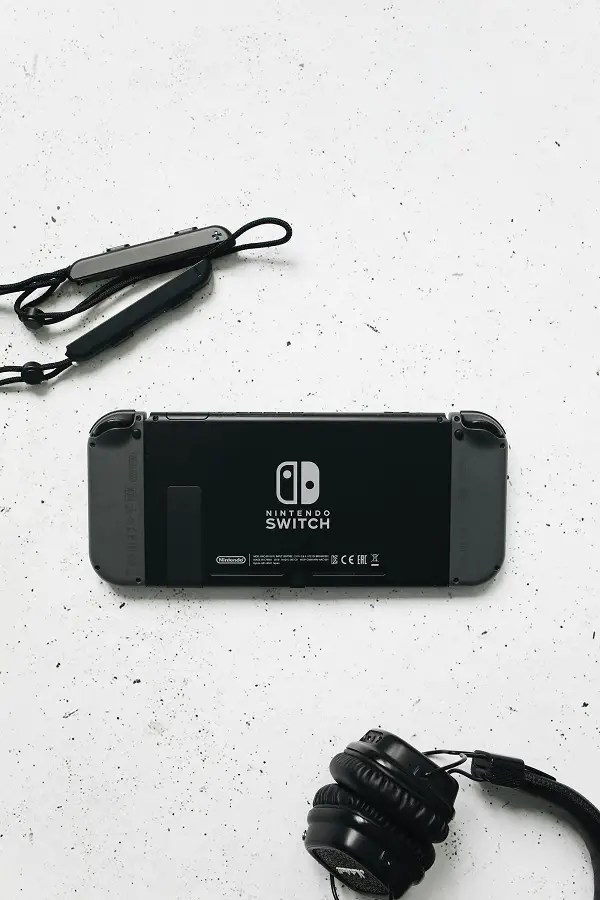
Carryover of the Switch audience, digital libraries, and account continuity would shorten the cold-start problem. Thoughtful launch pacing, with a balanced mix of system sellers and evergreen entries, can stabilize engagement. Strong battery life, a durable control design, and upgraded display options would address known pain points and strengthen the hybrid value proposition.
Scaling subscriptions and digital monetization
There is ample runway to enhance Nintendo Switch Online with richer classic catalogs, broader platform coverage, and member-exclusive benefits. Adding GameCube and Wii libraries, day-one DLC entitlements, and cloud saves across devices would elevate perceived value. Improved party features, integrated voice, and cross-game social tools can boost retention.
eShop optimization offers further upside through better search, editorial curation, wishlisting, demos, and loyalty integration with My Nintendo. Regional pricing, local payment options, and family plans can expand reach while preserving ARPU. Bundling strategies that connect subscriptions with hardware and accessories could create predictable, recurring revenue streams.
Transmedia expansion in film, series, and theme parks
The Super Mario Bros. Movie’s global success validated appetite for high-quality adaptations and cross-promotion. A new Mario film announced for 2026 and a live-action The Legend of Zelda project broaden the pipeline. Coordinated marketing can convert theatrical peaks into game sales, DLC engagement, and merchandise demand.
Super Nintendo World attractions in Japan, the United States, and future locations deepen experiential touchpoints and merchandise sales. New areas such as Donkey Kong-themed rides expand IP exposure to mainstream audiences. These destinations create year-round visibility, attract new fans, and form a durable licensing and retail flywheel.
Strengthening third-party and indie ecosystem
More capable next-gen hardware can attract Unreal Engine 5 productions, premium sports simulations, and visually ambitious multiplatform titles. Early dev kit access, streamlined certification, and co-marketing support would improve partner economics. High-profile partnerships can help close genre gaps and increase day-and-date releases.
Indie growth remains a strategic lever if discoverability, funding, and live-ops support improve. Curated spotlights, better analytics, and limited-time promotional windows can raise conversion without race-to-the-bottom discounting. A reputation for supportive tooling and predictable storefront features would make Nintendo an attractive first-choice platform for creators.
Geographic and demographic expansion
Targeted growth in emerging markets can come from localized pricing, prepaid and cash-based payment rails, and lighter digital footprints. Regional partnerships for distribution, customer support, and potential local assembly could reduce costs and improve availability. Tailored content strategies that respect cultural preferences will lift engagement and retention.
Demographic expansion includes deeper outreach to adults returning to games, families seeking co-play, and accessibility-focused players. Fitness, creative, and education-adjacent experiences can open incremental use cases beyond core gaming time. Inclusive design, parental tools, and flexible play modes reinforce Nintendo’s strengths and differentiate the brand in a crowded market.
Threats
The external environment around Nintendo is shifting quickly, with new platforms, policies, and consumer habits reshaping the competitive field. While the company enjoys powerful IP and a broad fan base, several macro forces could erode growth or compress margins if left unaddressed. Recognizing these external threats early enables more resilient strategy.
Intensifying platform competition and subscription gravity
Sony and Microsoft continue to raise expectations around performance, cross-platform services, and value-per-dollar via subscriptions like PlayStation Plus and Game Pass. Those services increasingly bundle major releases, cloud access, and back catalog depth that can siphon engagement away from Nintendo ecosystems. As these offers become habitual for players, purchasing behavior may tilt toward subscriptions over premium unit sales.
Cloud gaming investments by hyperscalers and publishers broaden access points across TV, mobile, and low-cost PCs, weakening hardware-led moats. If consumer time shifts to device-agnostic libraries, the relative value of a closed, single-device platform may decline. This dynamic can pressure attach rates, third-party support, and lifetime value per user.
Hardware transition risk amid rising technical expectations
With next-generation expectations centered on higher frame rates, 4K output, and fast load times, hardware transitions carry heightened risk. If Nintendo’s successor device undershoots performance or developer tooling, third-party titles may skip the platform, narrowing content variety. A misstep could extend upgrade cycles or trigger price sensitivity among mainstream families.
Competitors are iterating quickly with mid-cycle refreshes and accessories that set a high bar for fidelity and online features. Consumers now compare experiences across handheld PCs, VR, and powerful consoles, raising the threshold for delight. A delayed or uneven transition could create a gap where momentum, mindshare, and retail shelf space slip.
Supply chain volatility and macroeconomic pressures
Semiconductor allocation remains tight as AI accelerators and automotive chips compete for capacity, risking cost inflation or delays. Logistics disruptions from geopolitical tensions and shipping route volatility can drive unpredictable lead times and inventory imbalances. Currency fluctuations, especially a weak yen, complicate pricing strategies and hedging across regions.
Inflation and interest rates can suppress discretionary spending, particularly for families evaluating console bundles and accessories. Retail partners may prioritize faster-moving or subsidized platforms during downturns, reducing promotional visibility. These factors can compress margins, extend breakeven timelines on hardware, and require frequent price and bundle recalibration.
Regulatory scrutiny across markets and platforms
Evolving rules on consumer data, parental controls, and monetization continue to tighten in the EU, US, and Asia. Loot box scrutiny, regional content ratings, and advertising standards can add compliance overhead and restrict certain game designs. App store policy shifts and DMA-driven changes in Europe also alter distribution economics and discovery.
Trade policies and localization rules in China and other large markets present unpredictable approval cycles and content constraints. Heightened antitrust attention on platform gatekeeping may reshape revenue-sharing norms and cross-platform interoperability. Failure to adapt quickly could delay launches, spark fines, or force costly redesigns late in development.
Piracy, emulation, and IP infringement
Emulation and modding communities evolve rapidly, enabling unauthorized play and distribution of titles shortly after release. Even with legal actions against prominent emulator projects, new forks and tools can emerge, creating persistent enforcement whack-a-mole. This undermines software sales, especially for evergreen franchises with long tails.
Counterfeits and grey-market accessories can also damage brand trust, reduce accessory attach, and spark support costs. Social platforms and file-sharing networks accelerate the spread of leaked assets and ROMs, complicating coordinated marketing beats. Sustained piracy and infringement erode ROI on premium content and discourage third-party investment.
Challenges and Risks
Internally, Nintendo faces executional hurdles that can limit agility and scale. These challenges relate to platform lifecycle management, online capabilities, development capacity, and partner alignment. Addressing them proactively will reduce friction as the market evolves.
Dependence on an aging platform lifecycle
Relying on a maturing hardware base increases the risk of plateauing unit sales and waning third-party enthusiasm. Late-cycle discounting can attract value-seekers but erode profitability and complicate channel inventory. Without clear upgrade pathways, software attach may stagnate as households defer purchases for the next device.
Back catalog monetization helps, yet it may not offset the lack of marquee system drivers in late stages. Managing supply, demand, and marketing focus during the twilight of a platform requires delicate balance. Overextending support could crowd the next-gen pipeline, while pivoting too early risks leaving revenue on the table.
Content pipeline cadence and first-party concentration
Heavy reliance on flagship IP creates hit-driven volatility when release windows slip or cannibalize each other. Maintaining high-quality output across multiple franchises strains internal studios and carefully vetted partners. Gaps between tentpoles can reduce engagement and subscription retention for online services.
Porting and remaster strategies provide cushioning but risk consumer fatigue if perceived as incremental. Diversifying genres and audience segments without diluting brand identity demands disciplined portfolio planning. A less predictable pipeline can also weaken retailer and marketing coordination across global launch calendars.
Online infrastructure and service differentiation
Consumer expectations for cross-save, robust matchmaking, voice chat, and seamless cloud features keep rising. Nintendo Switch Online remains price-friendly but lags rivals in breadth of features and day-one content value. These gaps can limit multiplayer engagement and reduce the stickiness of the ecosystem.
Scaling network reliability, anti-cheat, and moderation across regions requires ongoing investment and operational rigor. Fragmented user experiences between legacy titles and new releases can frustrate players. Without steady service upgrades, churn may rise as competitive subscriptions become default choices.
Third-party publisher alignment and engine support
Securing consistent support from major publishers depends on technical parity, toolchains, and predictable economics. If performance or memory constraints complicate ports, publishers may prioritize other platforms or cloud channels. Inconsistent launch timing can relegate Nintendo versions to later windows, diluting marketing impact.
Engine support and middleware optimization are essential for efficient development across studios. Limited access to cutting-edge features or certification bottlenecks can slow delivery and inflate budgets. These frictions discourage experimental projects that diversify the library.
Talent retention and development capacity
Competition for senior engineers, online service architects, and creative leads has intensified globally. Hybrid work expectations and cost-of-living pressures complicate hiring in key hubs. Retaining institutional knowledge during a generational hardware shift is particularly challenging.
Scaling internal teams while maintaining Nintendo’s quality bar requires methodical training and tooling. Overreliance on a few core studios can create bottlenecks and burnout risk. Without stronger pipelines of external co-development partners, throughput may lag portfolio ambitions.
Strategic Recommendations
Translating the SWOT findings into action requires focused investments across hardware, services, content, and operations. The following initiatives aim to mitigate external threats and internal frictions while compounding Nintendo’s unique advantages. Measurable milestones and phased rollouts will ensure disciplined execution.
Execute a seamless next-gen launch with backward compatibility
Prioritize full backward compatibility and cross-progression to preserve libraries, reduce switching costs, and maintain engagement. Pair the launch with a clear upgrade value narrative spanning performance, battery life, and faster storage. Offer smart delivery pricing or loyalty incentives to accelerate adoption without undermining premium positioning.
Coordinate a year-long launch window anchored by one system-selling first-party title, one broad family title, and a third-party technical showcase. Provide robust dev kits, profiling tools, and middleware support six to nine months ahead of reveal. Align accessories and online features at launch to minimize fragmented experiences.
Evolve Nintendo Switch Online into a tiered, high-value service
Expand cloud features, classic libraries, and member-exclusive content that rotate regularly for perceived freshness. Introduce family-friendly safety defaults, better voice and party systems, and cross-save across devices. Experiment with limited-time trials or publisher channels to spotlight third-party partners without full day-one commitments.
Bundle longer subscription terms with hardware to reduce churn and smooth revenue. Add meaningful progression meta, such as cross-title rewards, seasonal events, and DLC discounts. Publish a transparent feature roadmap to set expectations and sustain momentum through the hardware transition.
Deepen content pipeline and external partnerships
Strengthen co-development with trusted studios to scale output across genres and cadences without diluting quality. Fund mid-budget experiments and new IP that target underserved segments while keeping flagship teams focused. Leverage data to balance remasters, expansions, and new entries across the calendar.
Negotiate synchronized global launches with third parties and secure timed content that highlights platform strengths. Expand transmedia tie-ins following the success of recent film and theme park initiatives to amplify discovery. Maintain rigorous greenlight gates to protect brand equity and avoid overextension.
Build a resilient supply chain and region-specific pricing
Diversify component suppliers, secure long-term capacity, and pre-book logistics lanes to buffer shocks. Standardize modular designs that enable flexible BOM substitutions without user impact. Implement dynamic forecasting that links retail sell-through, digital telemetry, and macro indicators for agile production planning.
Adopt localized pricing, bundles, and payment options to stay competitive under currency swings and inflation. Offer certified refurbished programs and seasonal value packs to widen the funnel without deep discounting. Maintain clear communication with retailers to align inventory, promotions, and launch pacing across regions.
Competitor Comparison
Nintendo competes in a crowded arena with Sony, Microsoft, and the broader mobile and PC ecosystems. Its position is defined by differentiated hardware, beloved first party IP, and family friendly design that contrasts with performance centric rivals.
Brief comparison with direct competitors
PlayStation and Xbox emphasize cutting edge performance, unified online services, and deep third party libraries aimed at core gamers. Nintendo prioritizes distinct gameplay experiences, character driven franchises, and a hybrid form factor that supports both handheld and docked play.
On mobile and PC, scale and openness drive vast catalogs and aggressive pricing, often centered on free to play models. Nintendo maintains a curated platform anchored to proprietary hardware, with quality control and exclusives that guide purchasing decisions and attach rates.
Key differences in strategy, marketing, pricing, innovation
Nintendo pursues a blue ocean style strategy that avoids direct horsepower races, focusing on unique input methods and approachable design. Marketing leans on cross generational appeal and transmedia visibility, using tentpole launches and evergreen franchises to sustain momentum.
Pricing typically favors more affordable hardware, steady software pricing, and value rich bundles rather than steep discounts. Innovation is expressed through controllers and form factors, from motion controls to hybrid portability, while competitors innovate around fidelity, online infrastructure, and services.
How Nintendo’s strengths shape its position
Iconic IP such as Mario, Zelda, and Pokémon create a self reinforcing flywheel of hardware demand, software sales, and merchandising. High first party quality and local multiplayer experiences strengthen the brand’s family and social positioning, encouraging word of mouth and long tail sales.
These strengths provide resilience when third party support is uneven or when hardware lags in raw performance. By owning its pipeline and controlling platform curation, Nintendo can pace releases, bundle content strategically, and maintain profitability across long product cycles.
Future Outlook for Nintendo
Nintendo’s next phase will likely balance continuity with meaningful upgrades to sustain its broad audience. Success will hinge on a smooth hardware transition, stronger services, and consistent delivery of marquee IP.
Next generation hardware trajectory
Market expectations favor an evolution of the hybrid concept, with improved performance and battery life while preserving portability. Backward compatibility and seamless account migration can protect the existing library and reduce switching friction for millions of users.
Supply chain stability and smart price positioning will be critical during launch windows, especially against persistent inflationary pressures. Accessory ecosystems and family bundles can amplify value perception and accelerate adoption without aggressive discounting.
Ecosystem, services, and IP expansion
Expansion of online services can deepen engagement through robust cloud saves, classic catalogs, and perks that reward long term members. Account level entitlements across devices can encourage continuity and reduce churn between console generations.
Transmedia growth through films, series, theme parks, and merchandising will reinforce brand reach and discovery. Each beat in the entertainment cycle can elevate software launches, while collaborations broaden demographics beyond traditional console buyers.
Market risks and competitive dynamics
Rivals will push subscription ecosystems, cloud integrations, and high fidelity experiences that raise consumer expectations. Component costs, currency swings, and regulatory shifts can pressure margins and complicate global rollouts.
Nintendo can mitigate risks with a predictable first party pipeline, targeted third party partnerships, and region specific pricing tactics. Continued support for indies and family oriented online features can differentiate the platform even as the competitive field intensifies.
Conclusion
Nintendo’s distinct mix of hybrid hardware, evergreen IP, and family friendly design sets it apart from performance focused competitors. Its disciplined pricing and platform curation support durable profitability and long tail software sales, even when hardware is less powerful.
Looking ahead, a well executed hardware transition, stronger services, and transmedia expansion can extend its momentum. By leveraging its creative strengths while improving ecosystem features and backward compatibility, Nintendo is positioned to defend share and capture new audiences in the next cycle.
