
ThredUp has grown into one of the largest online consignment and thrift platforms since launching in 2009, riding the wave of ecommerce and the shift toward circular fashion. By digitizing secondhand shopping at scale, it made resale accessible to mainstream consumers who value both savings and sustainability. Its success reflects a simple promise: quality apparel, simple selling, and smarter consumption.
The platform primarily targets value conscious and eco minded shoppers, especially women and families looking for brand name clothing at a fraction of retail prices. ThredUp’s hybrid model, part managed consignment and part marketplace, streamlines the process for sellers and delivers consistent standards for buyers. Features like the Clean Out Kit, robust quality control, and brand partnerships helped the company become a category leader with a broad, frequently refreshed selection.
Key Criteria for Evaluating ThredUp Competitors
Choosing the right alternative depends on more than price. Buyers and sellers should compare experience, trust, and logistics to find a platform that fits their goals. Use the following criteria to evaluate options with clarity and confidence.
- Pricing and value: Review listing fees, commissions, shipping costs, and typical seller payouts. Consider buyer perks like coupons, bundles, and free returns.
- Inventory selection and quality: Look for breadth of brands, sizes, and categories, along with clear condition grading and photo standards. A larger, well curated catalog improves discovery and resale outcomes.
- Ease of use and discovery: Evaluate app speed, search filters, size and fit tools, and checkout simplicity. Frictionless UX saves time for both buyers and sellers.
- Trust, authentication, and protections: Check verification for premium or luxury items, fraud prevention, return policies, and dispute resolution. Strong safeguards reduce risk and boost confidence.
- Selling logistics and speed: Compare clean out options, prepaid labels, processing times, and listing effort. Faster intake and payments can be decisive for high volume sellers.
- Sustainability and transparency: Assess take back programs, impact reporting, packaging practices, and repair or reuse initiatives. Clear data and responsible operations support circular goals.
- Customer support and community: Weigh response times, help center quality, and seller education. Active communities and reliable support improve long term satisfaction.
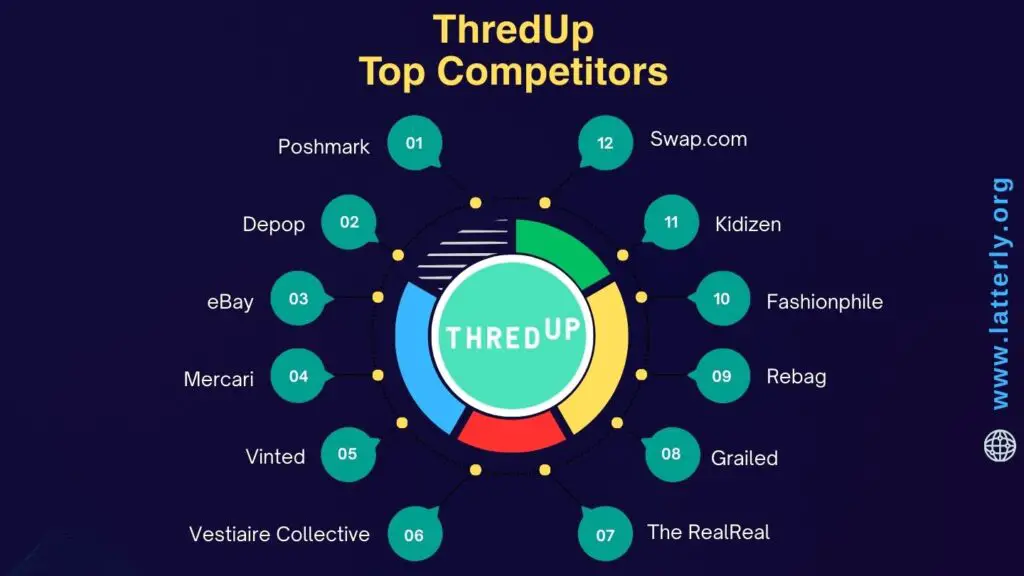
Top 12 ThredUp Competitors and Alternatives
Poshmark
As one of the most recognized social resale marketplaces, Poshmark combines shopping with community driven features. Sellers list directly, set their own prices, and tap into events that showcase inventory. Buyers enjoy discovery through shares, bundles, and themed parties.
- Strong market presence in the United States, Canada, and Australia, with millions of active users across apparel, shoes, accessories, beauty, and home categories.
- Social commerce tools like Posh Parties and live shows help listings get visibility, which can accelerate sell through for trending items.
- Simple logistics with prepaid shipping labels, seller controlled listings, and the ability to offer or counter offers in the app.
- Buyer protection and Posh Authenticate for select luxury items build confidence for higher ticket purchases.
- Considered an alternative to ThredUp because it provides access to similar brands, yet gives sellers full control over photos, descriptions, and pricing.
- Fee structure is straightforward, a flat fee on low priced orders and a percentage on higher priced sales, which many sellers find predictable.
- Best for sellers who want speed, control, and social engagement, rather than a hands off consignment intake process.
Depop
Popular with Gen Z and trend seekers, Depop blends marketplace selling with a visual social feed. The platform showcases vintage, streetwear, and upcycled fashion in creator style storefronts. Its global community rewards curation, originality, and niche aesthetics.
- Strong reputation for vintage, Y2K, streetwear, and independent labels, making it a hub for trend led resale across apparel and accessories.
- International audience and discovery driven browsing give sellers access to buyers far beyond their local market.
- Intuitive mobile listing with photo forward profiles makes branding and styling a key differentiator for sellers.
- Depop charges a selling fee around ten percent, plus payment processing, which is competitive for peer to peer fashion marketplaces.
- Buyers choose it as a ThredUp alternative when they want one of a kind items with seller curated photography and faster direct communication.
- In app messaging, offers, and shipping options support smooth transactions while keeping conversations on platform.
- Ideal for style centric sellers who can stage outfits and build a following, which can lead to repeat buyers.
eBay
The long standing auction giant eBay offers massive reach, flexible listing formats, and robust buyer protections. Sellers can choose auctions for speed or fixed price for predictability. Its scale supports everything from fast fashion to rare designer pieces.
- Global marketplace with hundreds of millions of users, spanning apparel, shoes, accessories, watches, handbags, and collectibles.
- Multiple listing formats, auction and Buy It Now, let sellers tailor strategy based on demand and inventory volume.
- Authentication programs in select categories, such as sneakers, watches, and handbags, add trust for higher value items.
- Dynamic fee structure varies by category and store level, which can be optimized by frequent sellers to manage costs.
- Buyers see it as a ThredUp alternative for breadth and deal hunting, while sellers appreciate control over titles, SEO, and shipping.
- eBay Money Back Guarantee helps reduce risk for buyers, which can raise conversion rates on pre owned goods.
- Advanced tools for bulk listing, promoted listings, and analytics support small businesses scaling secondhand operations.
Mercari
Built for simplicity, Mercari streamlines selling with quick listings and ready to print shipping labels. It covers fashion as well as electronics, toys, and home goods, which attracts a wide audience. The interface favors casual sellers who want low friction sales.
- Broad U.S. presence with strong mobile adoption, covering clothing, shoes, accessories, and lifestyle categories.
- Easy listing flow, suggested pricing, and Smart Pricing can help move inventory faster without heavy manual tweaks.
- Multiple shipping options, prepaid labels, and Mercari Local for same day pickup provide flexible logistics for sellers and buyers.
- Fees are straightforward, a marketplace fee plus payment processing, which keeps net proceeds transparent.
- Chosen as a ThredUp alternative by sellers who prefer to control pricing and photos without waiting for consignment intake.
- Buyer protection and optional authentication for select luxury items boost confidence on higher price sales.
- Useful for closet cleanouts beyond apparel, allowing sellers to cross sell household items to the same buyer base.
Vinted
With a no seller fee model in many regions, Vinted has attracted budget minded sellers who want to keep more of each sale. The platform centers on everyday fashion for women, men, and kids. Its community vibe encourages wardrobe refreshes with minimal overhead.
- Strong European footprint with growing presence in North America, focused on clothing, shoes, and accessories.
- Zero seller fees in supported markets, buyers cover protection and service costs, which can make pricing more competitive.
- Integrated shipping solutions and in app communication make transactions straightforward for casual users.
- Appeals as a ThredUp alternative when sellers want quick listings and control, without consignment processing delays.
- Buyer protection and dispute resolution add security, important for cross border resale activity.
- Tools for bundling, offers, and favorites help increase basket size and repeat purchases.
- Great for everyday brands and kidswear, where value pricing and speed can drive frequent turnover.
Vestiaire Collective
In the premium pre owned space, Vestiaire Collective is known for strict quality control and global reach. It brings together fashion enthusiasts looking for designer apparel and accessories. Authentication and sustainability standards set it apart for luxury buyers.
- Large international marketplace for contemporary and luxury fashion, including apparel, handbags, shoes, watches, and jewelry.
- Hybrid model offers direct shipping with authentication checkpoints and consignment services for select items.
- Rigorous authentication and condition checks reduce risk, helping buyers feel confident about investment purchases.
- Commission varies by price tier and category, which can reward higher value listings with competitive net proceeds.
- Chosen as a ThredUp alternative for higher end closets, especially when sellers want brand specific visibility and luxury oriented buyers.
- Editorial curation, sustainability initiatives, and a stance against ultra fast fashion appeal to conscious consumers.
- Cross border logistics and localized experiences open access to sought after European designers and archive pieces.
The RealReal
The RealReal is a leader in authenticated luxury consignment, combining expert intake with white glove service. The company handles photography, pricing, and fulfillment, which suits hands off sellers. Physical stores and an established brand bring steady buyer demand.
- Specializes in designer apparel, handbags, shoes, fine jewelry, watches, and home luxury, with strict authentication by in house experts.
- Managed consignment model saves time, intake includes cleaning, detailing, and professional imagery for premium presentation.
- Tiered commissions and accelerated payouts for top performing categories can maximize returns on high end goods.
- White glove pickup and nationwide drop off options simplify logistics for large consignments.
- Acts as a ThredUp alternative for luxury closets, where trust and authentication outweigh the need to self list.
- Physical retail locations and events increase exposure, helping rare or seasonal items sell faster.
- Data driven pricing and periodic promotions support steady sell through without constant seller intervention.
Grailed
Focused on menswear and hype culture, Grailed caters to streetwear and designer enthusiasts. The marketplace segments inventory by tiers, which helps buyers navigate from core to grail level pieces. Fashion communities value its moderation and brand savvy audience.
- Strong niche in mens apparel, sneakers, and accessories, from heritage brands to avant garde designers.
- Tiered categories and detailed filters help buyers find archive, runway, and limited drop items efficiently.
- Peer to peer listings with seller controlled pricing and offers provide flexibility on negotiation and timing.
- Competitive fees and integrated payments support serious hobbyists and small businesses alike.
- Considered a ThredUp alternative by sellers with male focused inventory, where specialized demand improves pricing power.
- Community standards and listing verification reduce fakes, important for hyped releases and rare collaborations.
- International buyer base expands reach for niche pieces that may be slow to sell on generalist platforms.
Rebag
For designer handbag enthusiasts, Rebag blends resale with instant buyout options. The platform specializes in high end bags, small leather goods, watches, and jewelry. Its pricing tools educate sellers on resale value and turnover prospects.
- Narrow luxury focus covering top designers, which attracts a motivated buyer base for handbags and accessories.
- Instant buyout or trade options offer speed, while traditional consignment can target higher returns.
- Clair by Rebag provides transparent pricing estimates, helping sellers set expectations accurately.
- Rigorous authentication and condition grading build trust for investment level purchases.
- Chosen as a ThredUp alternative when sellers want fast liquidity on handbags, rather than self listing.
- Retail boutiques and digital presence work together, giving inventory multiple points of exposure.
- Trade in credits can increase value when cycling into a different bag, which encourages repeat transactions.
Fashionphile
Known for ultra luxury accessories, Fashionphile operates a buyout first model with strong authentication. Sellers receive quick offers for handbags and jewelry, then the company handles marketing and sale. Partnerships with major retailers add convenience and trust.
- Deep expertise in luxury handbags, small leather goods, watches, and jewelry from leading heritage brands.
- Immediate buyout offers provide certainty and speed, while consignments can be used selectively for optimal pricing.
- Strict authentication and transparent condition ratings protect buyers and support premium pricing.
- Drop off partnerships with department stores simplify logistics for consignors in key markets.
- Considered a ThredUp alternative for sellers prioritizing fast payouts and a luxury focused audience.
- Buyback program encourages circular shopping, allowing customers to recover value on future returns.
- Professional photography and merchandising increase sell through on statement and seasonal pieces.
Kidizen
Serving parents who buy and sell for growing kids, Kidizen is tailored to childrenswear and family needs. The marketplace features clothing, shoes, gear, and maternity. Community driven features and shop styles fit small boutique resellers and parents alike.
- Focused catalog on babies, kids, and maternity helps buyers find size specific items quickly.
- Seller friendly listing tools and prepaid labels make it easy to move outgrown wardrobes.
- Style scouts and managed selling options provide consignment like help for busy parents.
- Fees are competitive for the niche, and bundling discounts can encourage multi item orders.
- Chosen as a ThredUp alternative for families, since kids sizes turn over quickly and direct control speeds sales.
- Community culture values quality brands and condition notes, which reduces returns and disputes.
- Resale of gear and toys broadens the basket, improving average order value for family shoppers.
Swap.com
As a large online consignment store, Swap.com offers a managed intake process with broad category coverage. Sellers ship items in, then the platform photographs, prices, and fulfills. This hands off approach appeals to those who want convenience at scale.
- Extensive catalog across womens, mens, and kids apparel, plus shoes, accessories, and select home goods.
- Managed processing, professional imagery, and centralized fulfillment reduce seller workload significantly.
- Pricing is set by the platform with frequent promotions, which can drive consistent buyer traffic.
- Quality control helps maintain standards, with clear condition ratings that guide buyer expectations.
- Viewed as a ThredUp alternative for consignors who prefer shipping in bulk and letting a partner handle the rest.
- Returns and customer support are managed by the marketplace, which can increase buyer confidence.
- Periodic clearance events move aged inventory, helping consignors cycle through larger volumes over time.
Top 3 Best Alternatives to ThredUp
Poshmark
Poshmark stands out by combining a large fashion focused audience with simple listing tools and built in shipping, which makes it easy to turn closet cleanouts into quick sales. The platform encourages engagement through shares and parties, which can help items move faster for in demand brands. Its mobile first flow is familiar to many secondhand shoppers.
Key advantages include prepaid labels, bundles, and direct offers that streamline negotiations. Fees are transparent, and seller tools like bulk listing and price drops simplify management of larger closets. The community factor can boost visibility for consistent sellers.
Best suited for users who want control over pricing and presentation, and who are willing to spend time sharing or promoting listings. It works well for mid tier fashion, kids items, and trendy pieces that benefit from social discovery. Buyers who like to interact with sellers will feel at home.
Mercari
Mercari stands out for its cross category reach and low friction listing, enabling sellers to move clothing alongside shoes and accessories with minimal setup. Search and recommendations prioritize relevancy, so good photos and titles can translate into steady traffic. The experience is straightforward for both buyers and sellers.
Key advantages include competitive fees, simple prepaid shipping options, and built in promotions like offers and price adjustments. Seller protection and ratings keep transactions fair, and optional local delivery adds flexibility in some areas. The platform also supports shipping supplies and printable labels.
Best for casual sellers who want ease without the social component, and for users clearing out a variety of items beyond apparel. It is strong for value minded buyers, families, and anyone testing resale before committing to a more hands on model. Power sellers can scale listings efficiently.
The RealReal
The RealReal stands out through specialization in authenticated luxury fashion, fine jewelry, and high end home goods. Its curated catalog and brand standards attract discerning buyers who are willing to pay for quality and verification. Professional product photography and detailed listings elevate presentation.
Key advantages include expert authentication, pricing guidance based on demand, and managed logistics that remove day to day listing work. Sellers can consign items and let the service handle merchandising and customer service. The audience is tuned to premium labels, which can drive faster sales at fair market value.
Best for owners of designer pieces who prefer a hands off process with trusted verification. It suits time strapped professionals and consignors downsizing luxury wardrobes. Buyers gain confidence from authentication and a refined browsing experience.
Final Thoughts
ThredUp is not the only way to resell or shop secondhand, and the market now offers many strong alternatives. Whether you want a hands off consignment experience or full control over pricing and photos, there is a platform designed around your goals. You can prioritize speed, audience size, or the highest possible payout.
The best choice depends on what you are selling, how much time you want to invest, and whether you value convenience over control. Luxury consignors often favor curated platforms with authentication, while everyday sellers may prefer broad marketplaces with simple shipping. Buyers should consider selection, return policies, and trust features.
Start with one or two platforms that align with your needs, then refine your approach based on results. Clear photos, accurate descriptions, and realistic pricing will improve outcomes wherever you list. With the right fit, secondhand can be profitable, sustainable, and enjoyable.
