
Walmart is one of the most successful retailers in history, founded in 1962 by Sam Walton in Rogers, Arkansas. Built on an everyday low price promise, the company scaled rapidly through operational discipline and relentless focus on value. Today, Walmart leads the global retail landscape by revenue, reach, and brand recognition.
The retailer serves a broad audience: budget conscious families, value seeking shoppers, and small businesses that prioritize savings and convenience. Its appeal spans urban, suburban, and rural markets, where access to large assortments and competitive pricing matters most. Walmart’s mix of grocery, general merchandise, and essential services makes it a reliable one stop destination.
Walmart’s popularity rests on price leadership, massive assortment, and convenience powered by stores and digital channels working together. Innovations such as curbside pickup, same day delivery, and a strong mobile app add speed and simplicity to everyday shopping. A deep supply chain, powerful vendor relationships, and growing private brands reinforce the company’s position as a major retail force.
Key Criteria for Evaluating Walmart Competitors
Choosing the right alternative to Walmart requires a clear view of what matters most to shoppers. Price is crucial, but so are convenience, product depth, and service quality. Use these criteria to compare competitors in a consistent, shopper centric way.
- Pricing and value: compare everyday shelf prices, promotions, total basket cost, and any membership fees.
- Product assortment and availability: assess breadth across categories, depth within brands, and in stock reliability.
- Omnichannel convenience: consider store proximity, curbside pickup, delivery speed and fees, and return options.
- Supply chain and logistics strength: look at inventory accuracy, fulfillment speed, and cost control that sustains low prices.
- Private labels and exclusives: evaluate quality, price gaps versus national brands, and differentiation that drives loyalty.
- Customer experience and support: review store cleanliness, checkout speed, staff helpfulness, and app or website usability.
- Loyalty, memberships, and perks: examine rewards, fuel discounts, free shipping thresholds, and delivery subscriptions.
- Sustainability and ethics: factor in labor practices, responsible sourcing, and environmental commitments that influence trust.
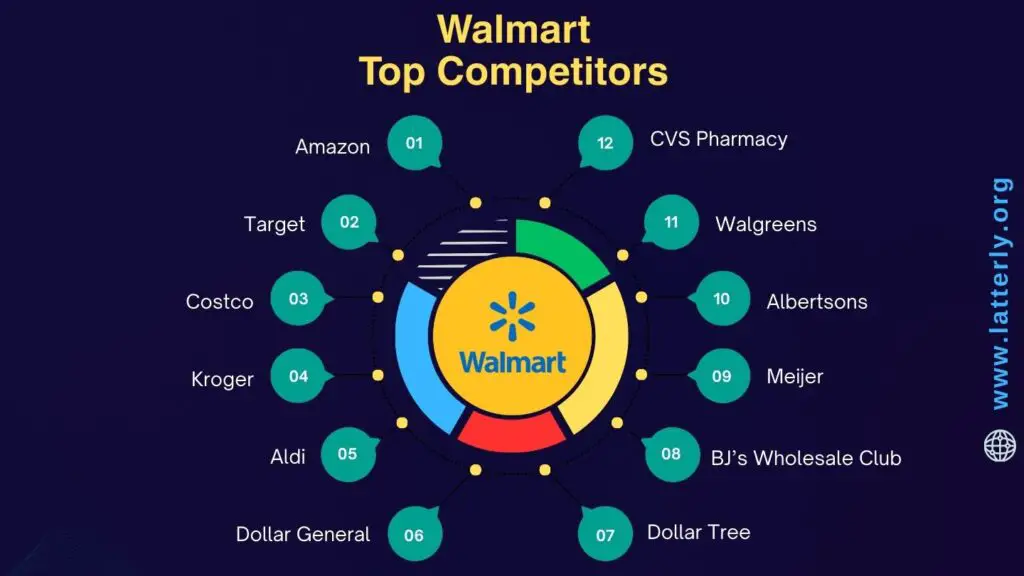
Top 12 Walmart Competitors and Alternatives
Amazon
As the dominant online marketplace, Amazon blends vast selection with convenient delivery options that rival big box stores. It competes directly with Walmart across groceries, household goods, electronics, and more. Prime benefits keep customers engaged, creating a powerful ecosystem that supports repeat purchases.
- Amazon’s assortment spans first party items and millions of marketplace listings, giving shoppers an easy way to compare brands, prices, and availability in one place.
- A broad global footprint and extensive fulfillment network provide fast shipping, including same day and next day options in many metros, which mirrors Walmart’s focus on speed.
- Product categories include Amazon Fresh and Whole Foods for groceries, plus electronics, apparel, home, toys, beauty, pet, and digital media.
- Shoppers see it as a Walmart alternative because of rapid delivery, frequent deals, and seamless returns, particularly for those who prefer online ordering over store visits.
- Prime bundles retail with streaming, reading, and exclusive promotions, which adds value that is difficult for traditional retailers to match.
- Convenience features such as Subscribe and Save, Alexa voice shopping, and tailored recommendations simplify replenishment and discovery compared with in store browsing.
- Multiple pickup and return options, including lockers and partner locations, reduce friction and improve access for urban and suburban customers alike.
Target
Target pairs value with design, appealing to families and trend focused shoppers who want curated brands. Its clean stores and stylish private labels create a distinct experience. Same day services make it a practical choice when comparing big box options.
- Strong owned brands in apparel, home, beauty, and baby offer fashionable quality at accessible prices, which differentiates Target from more utilitarian assortments.
- Market presence is national, with stores positioned in suburban and urban areas and a robust digital platform that supports the entire journey.
- Key categories include groceries, household essentials, apparel, home decor, electronics, toys, and seasonal goods, often supported by exclusive collections.
- Shoppers view Target as a Walmart alternative for its curated mix, competitive pricing, and easy pickup options that save time on routine trips.
- Drive Up and Order Pickup allow customers to place orders online and receive them quickly, a convenience that rivals Walmart’s curbside services.
- Partnerships with popular brands and limited time collaborations create a sense of discovery, encouraging visits beyond routine essentials.
- Target Circle rewards and personalized offers add savings, reinforcing loyalty without compromising the brand’s focus on style and presentation.
Costco
Costco operates a membership based warehouse model with a reputation for bulk value and loyal shoppers. Its limited assortment prioritizes quality and price on high velocity items. The experience rewards planned stock up trips rather than frequent small purchases.
- Membership enables low margins on select items, translating to strong value on groceries, household goods, and consumer staples when bought in larger quantities.
- Kirkland Signature private label is a major draw, known for quality across food, household, and personal care categories that often compete with national brands.
- Market presence is strong in the United States and abroad, with a focus on efficient warehouses rather than dense store networks.
- For consumers, Costco is a Walmart alternative when bulk buying reduces unit costs, especially for families, small businesses, and shared households.
- Additional services like gasoline, optical, pharmacy, hearing, and photo increase trip consolidation and perceived savings.
- The treasure hunt shopping experience, with rotating special buys and seasonal deals, encourages discovery and value perception.
- Delivery and two day shipping for select items, plus pickup on big ticket purchases, bridge warehouse value with at home convenience.
Kroger
Kroger stands as a leading supermarket operator with a strong presence in many regions. It competes with Walmart on fresh food, private labels, and value driven promotions. A mature digital ecosystem supports pickup, delivery, and personalized savings.
- Strengths include fresh produce, meat, bakery, and deli, backed by consistent in store quality standards across banners.
- Kroger’s market presence spans numerous states, often through regional banners that maintain local relevance while leveraging national scale.
- Private label portfolios deliver value and innovation in pantry staples, organics, and premium tiers that compete directly with national brands.
- Customers consider Kroger an alternative to Walmart for weekly grocery trips, pharmacy services, and fuel rewards that add tangible savings.
- Digital coupons, personalized offers, and targeted promotions align with loyalty data, improving basket value for frequent shoppers.
- Order pickup and delivery options provide convenience comparable to Walmart’s omnichannel services, supporting planned and last minute needs.
- Pharmacy, health, and household essentials round out the one stop shop appeal without the scale of general merchandise supercenters.
Aldi
Aldi is known for no frills stores that prioritize low prices and speed. A tight assortment and heavy emphasis on private labels keep costs down. The format appeals to budget conscious shoppers who value efficiency.
- Limited selection simplifies operations, allowing Aldi to deliver aggressive pricing on core groceries, snacks, and household basics.
- Market expansion in the United States has brought the brand to many suburbs and cities, creating more local access to discount groceries.
- Product categories focus on pantry staples, dairy, frozen, produce, bakery, and household essentials, with frequent seasonal special buys.
- Consumers consider Aldi a Walmart alternative for routine grocery runs when price and speed matter more than expansive variety.
- Private labels are central, often matching national brand quality while enabling consistent low prices across the assortment.
- Simple store layouts and quick checkout minimize time in store, which helps shoppers complete trips efficiently.
- Partnerships for delivery and pickup in select markets add flexibility for those who want discount pricing without visiting the store.
Dollar General
Dollar General serves many rural and small town communities with convenient small box stores. The chain focuses on everyday low prices and quick trips. Its reach gives it a proximity advantage where big box stores are farther away.
- Strength lies in location density, placing stores close to customers who need essentials without traveling long distances.
- The assortment emphasizes household basics, snacks, beverages, cleaning supplies, paper goods, and limited fresh and frozen items.
- Market presence is extensive, especially in areas underserved by larger retailers, which makes Dollar General a practical alternative to Walmart for fill in trips.
- Pricing is competitive on smaller pack sizes, helping shoppers manage budgets with lower out of pocket costs per visit.
- Expanded private brands and the DG Fresh initiative in many stores improve value and access to refrigerated and frozen categories.
- Digital coupons and a simple app experience create incremental savings, supporting price sensitive households.
- Quick in and out shopping, limited lines, and parking close to the entrance make trips faster than large supercenter visits.
Dollar Tree
Dollar Tree attracts value seekers with a focus on low price points and seasonal variety. The chain is known for party supplies, crafting items, and everyday essentials. Family Dollar, under the same company, broadens its reach in urban and suburban neighborhoods.
- Shoppers turn to Dollar Tree for low cost solutions on party goods, school supplies, kitchen basics, and decor, often at predictable price points.
- Market reach includes thousands of locations, frequently positioned for quick stops and convenience driven purchasing.
- Compared with Walmart, Dollar Tree offers smaller pack sizes and immediate savings, which can fit tight budgets or one time needs.
- Seasonal aisles and rotating specials create a treasure hunt feel, encouraging discovery and impulse value purchases.
- Party and holiday categories are a standout, where the combination of selection and price is hard to match.
- Complementary Family Dollar stores expand access to consumables, snacks, and household goods with broader pricing tiers.
- Easy in store navigation and short trips suit shoppers who want essentials without a long checkout or large store format.
BJ’s Wholesale Club
BJ’s Wholesale Club offers a membership warehouse model with a strong East Coast footprint. It focuses on value for families and small businesses through bulk products and gas savings. Digital tools and couponing add flexibility to the warehouse experience.
- Bulk groceries, paper goods, cleaning supplies, and general merchandise deliver lower unit costs for planned stock ups.
- Market presence is concentrated in the Eastern United States, allowing stores and clubs to serve dense suburban trade areas.
- Many shoppers view BJ’s as a Walmart alternative when they want warehouse pricing without the supercenter format.
- Digital coupons and acceptance of manufacturer coupons in many cases give deal seekers more ways to save compared with other clubs.
- Gas station discounts tied to membership can offset annual fees, which increases perceived value for frequent drivers.
- Same day delivery and in club pickup extend convenience to those who prefer not to browse aisles for every trip.
- Own brands, seasonal buys, and rotating electronics or home deals support both routine replenishment and occasional big ticket purchases.
Meijer
Meijer pioneered the supercenter concept in the Midwest, combining full grocery with general merchandise. The brand emphasizes fresh food, local relevance, and community engagement. Its omnichannel options make it a dependable one stop shop.
- Strengths include expansive produce, meat, bakery, and pharmacy, paired with apparel, home, toys, and seasonal assortments.
- Market presence is regional, focused on Midwestern states, where large stores and consistent service drive loyalty.
- Shoppers choose Meijer over Walmart when they want a regional alternative with similar breadth in a single trip.
- mPerks loyalty delivers digital coupons and personalized offers, helping families save on weekly baskets.
- Pickup, delivery, and flexible scheduling support busy households that need reliable fulfillment without long in store visits.
- Private labels across food and household categories offer quality tiers that help manage budgets without sacrificing selection.
- Community ties, local products, and regional sourcing where available deepen relevance beyond national chains.
Albertsons
Albertsons operates a network of supermarket banners that serve diverse regions across the country. It emphasizes fresh departments, local brands, and digital savings. The company’s scale supports competitive pricing and reliable availability.
- Banners such as Safeway, Vons, Jewel Osco, and Shaw’s give Albertsons local recognition while sharing national capabilities.
- Fresh food leadership in produce, meat, deli, and bakery attracts weekly grocery shoppers who want quality and convenience.
- Consumers consider Albertsons a Walmart alternative for full basket grocery trips, pharmacy needs, and frequent promotions.
- Just for U digital savings, coupons, and personalized deals deliver targeted value to repeat shoppers.
- Own brands provide choices from value to premium tiers, creating easy trade up and trade down options within the store.
- Pickup and delivery, often through first party and partner services, meet customers where they prefer to shop.
- Fuel rewards in select markets add cross category savings that reinforce loyalty and routine visits.
Walgreens
Walgreens is a pharmacy led retailer with a heavy emphasis on health and household essentials. Its stores are positioned for convenience with extended hours in many locations. The format serves quick needs that do not require a large basket.
- Strengths include pharmacy services, prescription management, and immunizations, paired with a solid mix of everyday essentials.
- Market presence is national, with stores placed in high traffic corners that make quick trips and pickups easy.
- Product categories focus on health and wellness, beauty, personal care, snacks, beverages, photo services, and limited household items.
- Shoppers view Walgreens as a Walmart alternative for urgent needs, small baskets, and pharmacy expertise.
- Buy online pick up in store, often ready in a short window, helps customers save time on essentials.
- Loyalty rewards and digital coupons in the app deliver savings that encourage repeat purchases on routine items.
- Partnerships for delivery expand convenience, allowing customers to receive same day orders without visiting a store.
CVS Pharmacy
CVS Pharmacy combines healthcare services with retail essentials, supported by a large store network. It offers convenient access to prescriptions, immunizations, and OTC products. For many shoppers, CVS is a quick alternative for everyday needs.
- Core strengths are pharmacy operations, clinics in select locations, and a comprehensive selection of health and wellness items.
- Market presence is widespread, giving customers a nearby option for urgent or small basket trips.
- Categories include medications, personal care, beauty, snacks, beverages, cleaning supplies, and limited household goods.
- Consumers consider CVS a Walmart alternative when they need fast checkout, prescription pickup, or immediate access to OTC remedies.
- ExtraCare rewards, personalized coupons, and targeted promotions offer savings on frequently purchased items.
- The CVS app supports prescription management, refills, and same day pickup options that streamline repeat needs.
- HealthHUB formats in select areas expand services and advice, enhancing the retailer’s positioning in wellness and preventive care.
Publix
Publix earns strong loyalty in the Southeast with friendly service and high quality fresh departments. Its stores emphasize clean layouts and community connections. Catering and popular deli offerings keep traffic steady throughout the week.
- Strengths include fresh produce, bakery, deli, prepared foods, and attentive customer service that differentiates the in store experience.
- Regional market presence is concentrated in the Southeast, where Publix enjoys high brand affinity and repeat visits.
- Product categories span full line groceries, household essentials, pharmacy, and seasonal items, with polished private labels.
- Shoppers consider Publix a Walmart alternative for weekly grocery trips when service and fresh quality are top priorities.
- Buy online pickup and delivery through first party and partners offer convenience for busy households.
- BOGO promotions and digital coupons provide consistent savings that help offset premium presentation.
- Community engagement and local sourcing where available strengthen brand trust and regional relevance.
Lidl
Lidl brings a European discount model to many U.S. markets with a streamlined, modern store experience. The mix centers on private label value and weekly special buys. Shoppers find sharp pricing on essentials and rotating nonfood deals.
- Efficient operations and tight assortments enable low prices on core grocery categories without sacrificing quality.
- Market presence is growing in the East Coast and select regions, adding competition to both traditional grocers and big box formats.
- Product categories include bakery, produce, dairy, pantry, frozen, household, and weekly limited time nonfood specials.
- Consumers choose Lidl over Walmart when they prioritize quick trips, strong produce value, and curated private labels.
- In store bakeries and fresh programs enhance quality perception relative to price, boosting repeat visits.
- Weekly themed specials and middle aisle finds create excitement and a treasure hunt shopping feel.
- Digital coupons and streamlined merchandising reduce complexity, which helps shoppers save time and money on routine baskets.
Top 3 Best Alternatives to Walmart
Amazon
Amazon stands out for its enormous online assortment that spans first party items and a vast third party marketplace, fast shipping via Prime, and a cohesive experience across web, app, and voice. Key advantages include aggressive pricing on everyday essentials, rich customer reviews that reduce purchase risk, powerful search and filtering, and convenient programs like Subscribe & Save plus hassle free returns at partner locations. It best suits online first shoppers and busy households that value speed and selection, as well as small businesses that need reliable delivery across a wide range of supplies.
Target
Target stands out with a curated mix of national brands and stylish owned labels, blending value with design and a pleasant in store experience across general merchandise, home, beauty, and baby. Key advantages include same day services like Drive Up and Order Pickup, Shipt delivery in many markets, frequent Target Circle deals that reward loyal shoppers, and a straightforward price match policy. It suits families and style conscious shoppers who want quality at fair prices, quick fulfillment options, and a cleaner store environment for everyday essentials and on trend finds.
Costco
Costco stands out through a membership warehouse model that trades limited assortment for bulk savings, strong quality control, and the trusted Kirkland Signature private label. Key advantages include very competitive unit pricing on groceries and household goods, generous return policies, and valuable add ons like fuel stations, optical, pharmacy, travel services, and treasure hunt seasonal deals. It suits large households and small businesses that can store bulk purchases, as well as value seekers who shop less often but want consistent savings on high demand staples.
Final Thoughts
There is no single best replacement for Walmart, instead there are many strong alternatives that shine in price, convenience, assortment, or experience. Amazon, Target, and Costco cover the broadest needs, while category specialists and regional grocers can be better for specific items or local savings. Matching your list and habits to the right retailer mix can deliver better value than leaning on any one store.
Your best choice depends on what you prioritize, whether it is lowest per unit cost, fast delivery and pickup, store experience, or the ability to buy in bulk. Consider factors like budget, proximity, membership fees, return policies, and how often you shop. With a clear set of goals, you can confidently assemble a shopping strategy that fits your lifestyle and maximizes savings and convenience.
