
Marriott International’s branding strategy sits at the intersection of scale, segmentation, and service, shaping how travelers discover and remember its hotels worldwide. With a portfolio that spans luxury icons and select service staples, the company builds distinct identities while maintaining a consistent promise of reliability and care. This article examines how Marriott orchestrates brand architecture, loyalty, and digital experiences to reinforce pricing power, drive direct demand, and earn long term guest affinity.
Marriott aligns each flag to a defined guest need state, then stitches them together through the Marriott Bonvoy ecosystem, co-branded partnerships, and cross brand storytelling. Its approach balances global consistency with local expression, using design narratives, culinary collaborations, and on property programming to make each brand legible yet place aware. As travel demand evolves toward blended leisure and business, the company leans on data, revenue science, and owner friendly messaging to keep brands differentiated and economically resilient.
You may also find these guides helpful:
1. Marriott Marketing Strategy
2. Marriott Marketing Mix
3. Marriott SWOT Analysis
4. Marriott Business Model
5. Marriott Competitors
Company Background
Marriott International traces its roots to a small beverage stand opened by J. Willard and Alice Marriott, evolving into a hospitality enterprise known for operational discipline and service culture. Over decades the company expanded from roadside motor hotels to full service and luxury properties, cultivating a reputation for training, standardized quality, and trust. Strategic brand development and selective acquisitions broadened the portfolio and set the foundation for a global network.
A pivotal milestone was the combination with Starwood Hotels and Resorts, which integrated lifestyle and luxury brands and significantly enlarged the international footprint. Alongside prior investments, such as growing The Ritz Carlton and developing soft brands like Autograph Collection, the merger cemented Marriott as one of the largest hotel companies in the world. The business operates largely through an asset light model focused on management and franchise agreements, emphasizing capital efficiency, scalability, and fee based revenue.
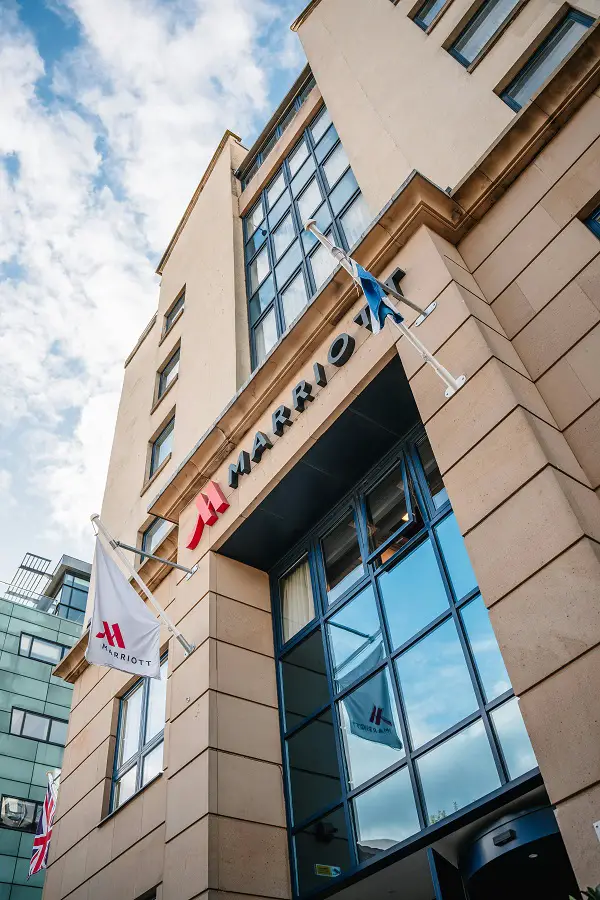
Marriott Bonvoy unified legacy loyalty programs into a single platform that drives repeat visits, enables personalized offers, and connects guests with experiences beyond the room. The company complements loyalty with strong digital and distribution capabilities, including a popular mobile app, partnerships with co branded credit cards, and a direct booking focus that supports owners. Today the portfolio spans urban hubs, resort destinations, and extended stay niches across the Americas, Europe, the Middle East, Africa, and Asia Pacific, underpinning the scale that powers its brand strategy.
Brand Identity Overview
Marriott is a global hospitality leader defined by dependable service, distinctive brands, and a powerful loyalty ecosystem. The identity centers on trust, choice, and elevated experiences that scale from everyday travel to rare luxury moments. It signals a brand that is both familiar worldwide and attuned to local context.
Heritage and Purpose
Rooted in a service-first culture, Marriott’s heritage emphasizes care, consistency, and hospitality innovation. The brand’s purpose elevates people’s journeys by removing friction and adding meaningful touches that create confidence in every stay. A decades-long legacy reinforces credibility with travelers, owners, and partners.
Visual and Verbal System
Marriott’s visual system pairs clean typography and modern layouts with warm, confident photography that highlights spaces and moments. The verbal identity is professional, optimistic, and guest-centric, balancing precision with humanity. Clear calls to action and concise benefits support conversion across digital and on-property touchpoints.
Portfolio Architecture
The brand operates a multi-tier portfolio that stretches from ultra-luxury to select service to extended stay. Iconic luxury flags sit alongside lifestyle and classic brands, creating coverage for diverse trip purposes. This architecture allows Marriott to meet nuanced guest expectations without diluting individual brand character.
Service Ethos
Marriott champions reliability with personality, reinforcing standards while empowering local expression. Training, technology, and performance measurement align to a guest promise of comfort, efficiency, and warm service. The result is predictability where it matters and authenticity where it delights.
Digital and Loyalty Identity
Marriott Bonvoy unifies discovery, booking, and recognition in one intuitive ecosystem. The app, mobile key, and personalized offers reflect a digital-first mindset that enhances flexibility and speed. Loyalty storytelling focuses on access, experiences, and progression, turning frequent stays into lifelong brand affinity.
Brand Positioning Strategy
In a crowded hospitality market, Marriott positions itself as the most trusted global stay partner for every trip type. The strategy blends breadth of choice with consistently high standards and a loyalty engine that rewards repeat behavior. It emphasizes confidence, convenience, and curated experiences.
Market Frame of Reference
Marriott competes in global hospitality across luxury, premium, lifestyle, and select-service segments. It frames the brand as the default choice for business, leisure, and group travel, supported by a deep network of locations. The focus is on being present, relevant, and reliable wherever guests go.
Point of Difference
The distinctive edge comes from combining scale with meaningful differentiation by brand, design, and service. Marriott offers a unique mix of choice and consistency, amplified by a high-earning loyalty program. Guests know they will find the right fit without sacrificing quality or recognition.
Reason to Believe
Proven operational standards, rigorous quality assurance, and seasoned on-property teams sustain outcomes. Partnerships, owner alignment, and robust direct channels reinforce value for guests and stakeholders. Longstanding performance through cycles supports belief in the brand’s resilience and reliability.
Competitive Landscape
Marriott competes with global systems and strong regional players that excel in niche experiences. The brand’s counter is a portfolio that balances iconic luxury, design-forward lifestyle, and efficient select-service options. Loyalty scale and distribution strength create an enduring moat.
Pricing and Revenue Strategy
Dynamic pricing, disciplined inventory management, and targeted offers work to optimize RevPAR and share. Marriott incentives encourage direct booking with member rates and richer earn potential. Packaging, ancillary experiences, and F&B strategies enhance total stay value while protecting rate integrity.
Target Audience Profile
Marriott serves a broad yet defined set of travelers and stakeholders across the journey economy. Audience priorities span reliability, recognition, design, value, and purposeful experiences. Profiles differ by trip mission, but all value trust and convenience.
Global Business Travelers
These guests prioritize seamless arrivals, quiet rooms, fast Wi-Fi, and productive spaces. Proximity to business districts and transport hubs matters, as do lounges, healthy dining, and 24-hour fitness. Loyalty benefits and consistent standards reduce friction across frequent multi-city itineraries.
Affluent Leisure and Families
Affluent guests seek spacious accommodations, resort amenities, and personalized service across luxury and premium flags. Families look for convenience, kid-friendly programming, and flexible room configurations. Access to culinary, wellness, and destination experiences enhances perceived trip value.
Millennial and Gen Z Explorers
Design-forward spaces, social energy, and digital convenience attract younger travelers. They respond to authentic local experiences, responsible operations, and transparent value. Mobile-first booking and frictionless on-property tech are non-negotiable expectations.
Group and Event Planners
Planners need scalable venues, flexible layouts, reliable AV, and expert coordination. Clear pricing, responsive sales teams, and hybrid-ready solutions drive confidence. Marriott’s footprint and standards enable multi-city programs with consistent delivery.
Owners and Developers
This audience values brand equity, demand engines, and operating discipline. They look for compelling RevPAR index potential, efficient prototypes, and procurement leverage. Transparent support models and performance analytics inform long-term investment decisions.
Brand Value Proposition
Marriott delivers dependable stays, meaningful recognition, and the right brand for every trip. The value lies in choice without complexity and experiences without compromise. It creates upside for guests, members, buyers, owners, and communities.
For Guests
Guests receive a consistent baseline of comfort, safety, and service, enhanced by brand-character experiences. A broad footprint enables optimal location, while thoughtful amenities and F&B elevate each stay. The result is confidence before arrival and satisfaction after checkout.
For Loyalty Members
Marriott Bonvoy accelerates earning and redemption across a vast portfolio and partner network. Members enjoy recognition, status benefits, and exclusive rates that make direct booking a clear choice. Personalized offers and experiential rewards deepen engagement over time.
For Corporate Travel Buyers
Buyers gain rate integrity, policy alignment, and reporting to support duty of care. Standardized safety, sustainability metrics, and service level agreements deliver predictability at scale. Dedicated account teams and distribution tools simplify program management.
For Owners and Investors
Owners access brand equity, global sales, and a digital engine that captures qualified demand. Proven prototypes, training, and procurement reduce complexity and operating costs. Data-driven revenue management aims to strengthen share, margins, and asset value.
For Communities and Planet
Marriott invests in local jobs, supplier inclusion, and responsible operations that lower environmental impact. Properties reflect local culture while adhering to global standards for safety and ethics. The brand’s long-term commitments support resilience for destinations and stakeholders alike.
Visual Branding Elements
Marriott’s visual system signals reliability and refined hospitality from the first glance. The design language must translate across luxury flags and select service brands without losing equity in the parent mark. Consistent application creates immediate recognition in digital and physical environments.
Logo Architecture
The master Marriott logotype and monogram serve as anchors that convey heritage and confidence. Clear space, minimum size, and contrast guidelines protect legibility across signage, print, and screens. Sub brand lockups should maintain hierarchy so the parent identity remains the unifying signature.
Color Palette and Contrast
A primary palette led by Marriott red, balanced with black, white, and refined neutrals, provides clarity and warmth. Secondary tones can flex for property personality while honoring accessibility contrast ratios. Color choices should guide wayfinding, spotlight offers, and add emotional resonance without visual noise.
Typography Hierarchy
Clean, modern typefaces with strong x height support readability across languages and resolutions. A disciplined hierarchy for headlines, subheads, body copy, and captions ensures consistency from booking flows to in room collateral. Kerning, line length, and scale should optimize both elegance and scanability.
Photography and Imagery
Imagery should showcase genuine moments of service, distinct property character, and destination allure. Natural light, human presence, and thoughtful composition communicate comfort and aspiration. Avoid over processing to keep experiences believable and aligned to premium positioning.
Spatial Design and Collateral
Environmental graphics, uniforms, key cards, and amenity packaging extend the brand into tactile touchpoints. Materials and finishes should echo the visual system, from lobby signage to conference branding. Every item should feel intentional, reinforcing a seamless journey from check in to checkout.
Brand Voice and Messaging
The Marriott voice balances warmth with authority to reflect trusted hospitality at global scale. Messaging should feel helpful, contemporary, and human while signaling meticulous standards. Clarity beats flourish, and every word should guide guests toward confidence in their choice.
Brand Promise
The core promise centers on dependable stays elevated by thoughtful service and meaningful rewards. Communications should reinforce comfort, consistency, and access to a world of destinations. This foundation differentiates Marriott as a partner in travel rather than only a place to sleep.
Tone and Style
Tone is welcoming, polished, and concise, adapting subtly to context without losing character. Luxury experiences use restrained elegance, while select service emphasizes ease and value. Word choice should avoid jargon, favor active voice, and make complex processes feel simple.
Messaging Pillars
Key pillars include service you can rely on, spaces designed for real life, and loyalty that opens doors. Each pillar should be supported by proof points such as staff expertise, room functionality, and program benefits. The pillars guide campaign narratives and everyday microcopy.
Storytelling Themes
Narratives spotlight journeys made smoother, moments that matter, and communities connected by travel. Feature guest perspectives, associate pride, and local discoveries to create emotional texture. Stories should crescendo toward the reassurance that every stay earns more from Marriott Bonvoy.
Global and Local Adaptation
Voice must translate across languages and cultures while preserving intent and tone. Local teams can tailor references and idioms within the approved messaging framework. Consistent terminology for amenities, tiers, and benefits maintains clarity across markets.
Marketing Communication Strategy
Effective communication for Marriott requires orchestrating messages across varied traveler needs and trip types. The strategy must connect inspiration to conversion and loyalty without creating channel fatigue. Every touchpoint should earn attention through relevance and recognizable brand cues.
Audience Segmentation
Segment by travel purpose, frequency, and value, such as business road warriors, family vacationers, and premium leisure. Use behavioral signals to refine timing, offers, and content depth. Segments should evolve with seasonality, macro trends, and property availability.
Channel Mix Orchestration
Balance brand building in video and high impact formats with performance channels that capture intent. Email, push, search, and metasearch drive near term bookings, while partnerships and connected TV expand reach. Cohesive creative across the mix reduces friction and elevates recall.
Campaign Frameworks
Build modular campaigns that ladder from master brand to portfolio and property stories. Hero assets set the narrative, while cutdowns and dynamic units deliver relevance at scale. Rotations should align to booking windows, regional calendars, and loyalty milestones.
Partnership and Co branding
Strategic alliances with airlines, payment brands, and cultural events add credibility and new audiences. Co branded content must protect Marriott identity while celebrating the shared value. Clear approval workflows and asset kits keep joint campaigns consistent.
Measurement and Optimization
Define outcomes such as direct bookings, member acquisition, and lifetime value uplift. Apply incrementality testing, media mix modeling, and creative diagnostics to sharpen spend. Insights should inform creative refresh cadence and channel budget shifts.
Digital Branding Strategy
Digital touchpoints function as the most frequent expression of the brand. Design, content, and technology must work together to make discovery, booking, and loyalty effortless. A consistent visual and verbal experience strengthens trust and drives direct relationships.
Website Experience
The site should prioritize speed, clarity, and accessible navigation across devices. Clear rate presentation, room comparisons, and transparent policies reduce cognitive load. Brand visuals and storytelling elevate the journey from search to confirmation.
App and Loyalty Integration
The app should act as a personal travel companion that unlocks member benefits and on property convenience. Mobile check in, digital key, and service requests demonstrate practical value. Integrations with Marriott Bonvoy offers create momentum toward higher engagement tiers.
SEO and Content Architecture
Structured content that maps to traveler intent improves discoverability and conversion. Destination guides, property highlights, and FAQs should be interlinked with schema markup. Metadata and internal linking need to reflect brand language and user tasks.
Personalization and Data Ethics
Use consented data to tailor recommendations, rates, and messaging cadence. Personalization should feel helpful and respectful, with transparent choices for guests. Privacy, security, and regional compliance are non negotiable components of brand trust.
Performance and Accessibility
Optimize Core Web Vitals, image compression, and caching to maintain responsiveness at scale. WCAG compliant color, contrast, and keyboard navigation ensure inclusive access. Ongoing QA across markets prevents drift in quality and consistency.
Social Media Branding Strategy
Social platforms extend Marriott’s voice into daily conversations about travel and lifestyle. The approach should combine inspiration, service utility, and loyalty storytelling. Consistent identity, clear roles by platform, and agile production keep content relevant.
Platform Roles
Instagram and TikTok inspire with short form storytelling and property highlights. YouTube supports long form narratives, while LinkedIn communicates corporate innovation and employer brand. Regional platforms can localize offers and cultural moments within brand guardrails.
Content Formats
Prioritize reels, carousels, and live sessions that demonstrate genuine experiences and helpful tips. Templates and motion toolkits maintain recognition while enabling rapid iteration. Captions should guide action, from saving a post to booking direct.
Community Management
Responsive, empathetic engagement turns comments into service moments and advocacy. Escalation paths for service issues should connect to property teams and support. Proactive prompts and Q and A formats stimulate meaningful conversation.
Influencer and Creator Strategy
Partner with creators who embody hospitality, design, and destination expertise. Briefs should center on authentic stays and practical value rather than scripted endorsements. Rights management and whitelisting extend high performing content across paid media.
Social Listening and Insights
Monitor sentiment, traveler questions, and emerging trends to inform content and operations. Insights should shape editorial calendars, property spotlights, and issue resolution. Measurement blends reach and engagement with assisted bookings and loyalty signals.
Influencer and Partnership Strategy
Marriott can amplify brand equity by aligning creators and partners to its diverse portfolio and traveler segments. The strategy blends reach with credibility, using content that converts across inspiration, planning, and booking moments.
Portfolio aligned creator tiers
Match luxury travel storytellers with Ritz-Carlton and St. Regis, culture forward voices with W and Moxy, and family or business creators with Westin, Sheraton, and Courtyard. This fit-first approach protects brand codes while expanding relevance. Contracts should define narrative guardrails and measurable calls to action.
Loyalty centric co-creation
Use Marriott Bonvoy as the content engine, inviting creators to co-design earn and burn itineraries and spotlight Moments experiences. Feature elite benefits and upgrade surprises to make loyalty tangible. Drive app downloads with unique creator codes tied to points bonuses.
Cross industry value partnerships
Scale demand with travel adjacencies such as airlines, mobility, payments, and ticketing platforms that enable points earning and redemption. Entertainment and sports partnerships can deliver high visibility hospitality integrations and exclusive access packages. Co-branded credit and fintech collaborations extend lifetime value through everyday spend.
Market specific collaborations
Activate regional creators on TikTok, Instagram, and WeChat with language and cultural nuance. Pair local chefs, designers, and wellness experts with hotel openings and renovations to localize storytelling. Leverage destination marketing organizations to co-fund content that drives shoulder season stays.
Measurement and governance
Set a common KPI stack that includes qualified traffic, app installs, rate parity bookings, and loyalty enrollments. Use unique tracking links and promo codes at the brand and property level. Establish compliance reviews for brand safety, disclosure, and content repurposing rights.
Customer Experience and Engagement Strategy
Marriott’s engagement strategy should merge high touch service with high tech simplicity. The goal is seamless journeys that reward loyalty and elevate every stay with relevant moments.
Data driven personalization across the journey
Unify first party data to recognize guests at search, booking, pre arrival, on property, and post stay. Use preferences to tailor room features, F and B recommendations, and late checkout options. Respect consent and provide clear controls to build trust.
Mobile first hospitality
Push app centric services such as digital check in, mobile key, chat with the front desk, and service requests. In stay messaging can surface offers for spa, dining, and local experiences based on itinerary signals. Post stay prompts should enable reviews and quick rebooking.
Loyalty ecosystem and Moments
Elevate Marriott Bonvoy beyond points with access and recognition that guests feel. Spotlight Moments redemptions and limited access events to create emotional attachment. Tie milestone badges and soft benefits to frequency and advocacy behaviors.
Community and user generated content
Encourage guests to share itineraries, room hacks, and neighborhood guides within the app and social channels. Curate top content into city collections by brand and travel theme. Reward creators with points boosts and early access rates.
Service recovery and proactive care
Deploy real time sentiment detection from chat and surveys to trigger recovery offers and manager outreach. Give frontline teams empowerment budgets and clear playbooks. Close the loop with follow ups that convert a fix into loyalty.
Competitive Branding Analysis
The hospitality field is crowded, with brand preference shaped by loyalty value, experience design, and distribution strength. Marriott competes by leveraging portfolio breadth and coherent branding across stay occasions.
Scale and portfolio breadth
Marriott’s multi brand architecture covers luxury to midscale and extended stay, enabling demand capture across price tiers. This range supports cross sell as customer needs shift from business travel to leisure and bleisure. Consistent standards and distinct brand codes protect clarity.
Loyalty program differentiation
Bonvoy’s global footprint and redemption optionality are key advantages against peer programs. Competitors emphasize perks or flexible currency, but experiential redemptions can be Marriott’s storytelling edge. Clear earn rates, transparent fees, and elite recognition consistency will influence switching.
Luxury and lifestyle positioning
Ritz-Carlton, St. Regis, and Edition anchor luxury credibility while W, Autograph Collection, and Moxy drive cultural relevance. Hyatt and Accor press hard in lifestyle, so design, music, and culinary partners matter. Signature rituals and localized programming should remain consistent yet fresh.
Direct distribution and value
Direct booking benefits, app only rates, and bundled offers counter OTA leakage. Competitors push parity, so Marriott must articulate value through flexibility, perks, and loyalty accelerators. Meticulous rate integrity and merchandising will sustain trust.
Regional competition dynamics
In APAC and the Middle East, domestic champions and new luxury projects raise the bar. In Europe, conversion of independents and soft brands intensify choice. Localized benefits and owner friendly brand standards can secure growth.
Future Branding Outlook
The next phase of Marriott’s brand will be defined by personalization, purpose, and partnerships that unlock new demand. Digital trust and differentiated experiences will separate leaders from followers.
Hyper personalization with clear consent
AI driven recommendations can shape rooms, amenities, and experiences that fit micro segments and individual profiles. Preference centers and transparent value exchanges will earn opt in. On device processing and privacy by design will strengthen credibility.
Experience led loyalty expansion
Expect deeper integration of Moments and pop up brand experiences that travel to customers between stays. Micro events, residency chefs, and wellness residencies can sustain engagement. Curated trip stacks can bundle flights, mobility, and venue access for one click redemption.
Sustainable and inclusive hospitality
Guests will reward visible sustainability practices and inclusive design. Property level reporting on energy, water, waste, and local sourcing should feed into booking filters and corporate RFPs. Accessibility and cultural sensitivity training can become signature strengths.
New formats and long stay demand
Extended stay, serviced apartments, and work from anywhere offerings will grow. Modular room design and subscription style stays can serve project teams and digital nomads. Mixed use developments can anchor community and diversify revenue.
Partnership ecosystem 2.0
Future collaborations will blend travel, entertainment, payments, and wellness into unified journeys. Dynamic earn and burn across daily life will keep Bonvoy top of mind. Strategic media and data sharing agreements will improve targeting and measurement.
Conclusion
Marriott’s branding advantage lies in the intersection of portfolio breadth, a compelling loyalty ecosystem, and disciplined storytelling. By aligning creators and partners to clear brand roles, the company can scale authentic reach while protecting distinct identities. A mobile first and data smart experience will turn every interaction into a proof point for the promise of hospitality.
Winning the next decade will require sharper differentiation in luxury and lifestyle, stronger regional relevance, and an experience led approach to loyalty. Investments in privacy centric personalization, sustainable operations, and new stay formats will expand both demand and trust. With a consistent value narrative that favors direct engagement and measurable outcomes, Marriott can convert brand equity into durable market share and lifetime value.
