
Marriott International grew from a single root beer stand in 1927 into one of the most influential names in global hospitality. With a portfolio that spans luxury icons, premium full‑service brands, select‑service staples, and extended stay options, the company serves travelers at nearly every price point. Its scale, operational know how, and brand recognition make Marriott a benchmark for the modern hotel industry.
Marriott targets business road warriors, leisure vacationers, groups and meetings, and long stay guests who want dependable stays with clear value. The company’s more than 8,000 properties across over 130 countries give customers broad choice and owners access to a powerful distribution engine. This reach, combined with strong franchise and management capabilities, positions Marriott as a default consideration in many markets.
What keeps Marriott popular is consistency, a diversified brand set that fits different trip purposes, and the appeal of Marriott Bonvoy. Travelers value the loyalty program’s elite perks, points redemption options, and frequent promotions, along with reliable service standards. Digital features like mobile check in, mobile key, and in app messaging, plus robust meetings infrastructure and partnerships, further reinforce its leadership.
You may also find these guides helpful:
1. Marriott Marketing Strategy
2. Marriott Marketing Mix
3. Marriott SWOT Analysis
4. Marriott Business Model
5. Marriott Branding Strategy
Key Criteria for Evaluating Marriott Competitors
Choosing alternatives to Marriott requires more than comparing nightly rates. The best options balance value with reach, reliability, and rewards that match your travel habits. Use the following criteria to make an apples to apples comparison.
- Brand portfolio and positioning: Assess how well the competitor covers luxury, premium, select service, and extended stay segments. Clear brand promises reduce confusion and improve trip fit.
- Geographic footprint and distribution: Look for breadth in key business hubs, resort destinations, and secondary cities. A wider network increases availability and redemption options.
- Price to value: Compare base rates, resort or destination fees, inclusions like breakfast and Wi Fi, and total trip cost. Consistent value across markets matters more than occasional discounts.
- Loyalty program strength: Evaluate earning rates, redemption ease, elite benefits, and partner ecosystem. Generous guarantees and transparent award pricing are signs of a robust program.
- Guest experience and consistency: Review cleanliness, service quality, sleep standards, and design cohesion. Reliable delivery across properties reduces travel friction.
- Technology and booking experience: Consider website and app usability, mobile key, digital check in, and chat support. Personalization and proactive communication enhance satisfaction.
- Meetings, events, and corporate solutions: Weigh event space quality, group sales support, negotiated rate programs, and reporting tools. Strong MICE capabilities are crucial for business travel.
- Sustainability, safety, and trust: Examine environmental goals, labor practices, accessibility, and data privacy. Verified certifications and transparent reporting build confidence.
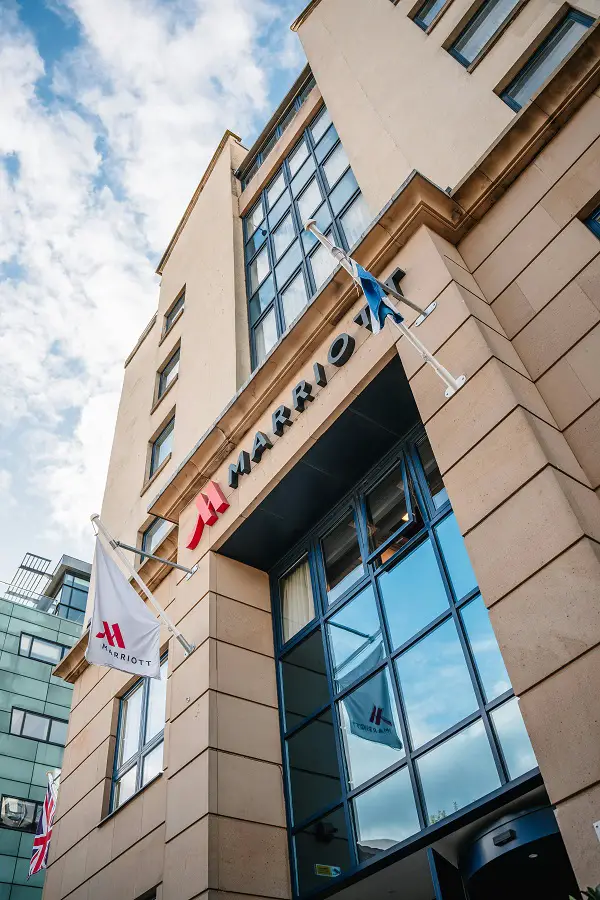
Top 12 Marriott Competitors and Alternatives
Hilton
Hilton commands a wide spectrum of hotel categories, from economy friendly stays to renowned luxury addresses. Its brand family and loyalty ecosystem appeal to both business travelers and leisure guests looking for consistency and perks. With global reach and an innovation mindset, Hilton often stands shoulder to shoulder with Marriott for share of wallet and corporate contracts.
- The Hilton portfolio spans luxury with Waldorf Astoria and Conrad, lifestyle with Canopy and Tempo, and mainstream options like Hilton Garden Inn and Tru, giving travelers varied price points and styles.
- Hilton Honors draws consumers through simple earning, free night flexibility, and popular co branded credit cards, which mirror many of the redemption pathways Marriott Bonvoy members expect.
- Global development is strong across the Americas, EMEA, and Asia Pacific, sustaining a consistent pipeline that ensures options in primary cities, resort markets, and secondary destinations.
- Meetings and events offerings are competitive, supported by robust group sales teams and tech enabled planning tools, which helps Hilton rival Marriott in convention and conference business.
- Extended stay brands like Homewood Suites and Home2 Suites, along with focused service flags, attract long term guests and project teams who might otherwise book Residence Inn or Courtyard.
- Hilton’s digital experience, including a reliable app, Digital Key, and confirmed connecting rooms, streamlines the journey from booking to check in and appeals to frequent travelers.
- As an alternative to Marriott, Hilton offers comparable elite benefits, a similarly broad footprint, and overlapping brand tiers, letting consumers choose based on location, price, or preferred loyalty features.
Hyatt
Hyatt is known for high touch service and a curated portfolio that leans heavily into luxury and lifestyle. Its World of Hyatt program is admired for valuable points and elite recognition that reward frequent guests generously. The brand’s measured growth has focused on quality locations and experiential offerings that compete directly with Marriott’s top tiers.
- World of Hyatt spans distinct brands such as Park Hyatt, Andaz, Alila, Thompson, and Caption, covering luxury, lifestyle, and modern select service categories with strong design and service standards.
- The program’s award chart transparency and elite benefits, including suite upgrades and confirmed instruments, are seen as favorable by many travelers comparing it to Marriott Bonvoy.
- Hyatt’s acquisition of Apple Leisure Group expanded its presence in all inclusive resorts across Mexico and the Caribbean, giving it an edge in a segment Marriott is actively growing.
- Corporate travelers favor Hyatt Regency and Grand Hyatt for meetings and conventions, supported by sophisticated event spaces and flexible packages that mirror Marriott’s group capabilities.
- Wellness and dining are emphasized through partnerships and spa concepts, making properties attractive for leisure escapes and bleisure stays that demand memorable on site experiences.
- Hyatt’s footprint, although smaller than Marriott’s, is concentrated in gateway cities and top resort markets, which often aligns with the travel patterns of higher value guests.
- As an alternative to Marriott, Hyatt offers premium service, strong luxury options, and a loyalty scheme prized for outsized redemption value, appealing to points savvy travelers.
IHG Hotels & Resorts
IHG competes broadly with a deep bench of mainstream and upscale brands complemented by luxury flags. Its network includes business travel staples as well as destination resorts, providing many substitutes for Marriott stayers. Recent loyalty enhancements and brand refreshes have sharpened its position across segments.
- The portfolio covers essential to luxury categories, from Holiday Inn and Holiday Inn Express to Kimpton, InterContinental, Regent, and Six Senses, ensuring diverse experiences and price bands.
- IHG One Rewards introduced richer elite benefits and milestone rewards, improving recognition in a way that directly challenges Marriott’s status hierarchy.
- Kimpton and Hotel Indigo emphasize local vibe and distinctive design, competing with Autograph Collection, Tribute Portfolio, and AC Hotels on personality and neighborhood appeal.
- Crowne Plaza targets modern business travelers with flexible workspaces and refreshed rooms, offering a credible alternative to Marriott’s full service properties.
- Resort and wellness growth through Six Senses and high end InterContinental resort locations widens IHG’s appeal for premium leisure trips and experiential travel.
- IHG’s global presence reaches key corporate hubs and secondary markets, which supports both managed travel programs and road warrior itineraries.
- As an alternative to Marriott, IHG provides comparable coverage, a revitalized loyalty program, and brands that map neatly against Marriott tiers, making switching straightforward for many guests.
Accor
Accor stands out with a large international footprint and significant strength in Europe and Asia. Its brand architecture ranges from economy to ultra luxury, anchored by well known names and lifestyle concepts. The ALL loyalty program integrates hotels, dining, and experiences to keep guests within the ecosystem.
- The company spans ibis and Mercure for economy and midscale, Novotel and Pullman for upper midscale and upscale, and Fairmont, Raffles, and Sofitel for luxury travelers.
- Through Ennismore, Accor advances lifestyle offerings like The Hoxton, 25hours, SLS, and Mondrian, which counter Marriott’s Edition, W, and lifestyle collections.
- ALL, Accor Live Limitless, offers earn and burn across hotels, restaurants, and partners, combining cash like redemptions with elite benefits that rival Marriott Bonvoy’s flexibility.
- Accor’s presence is particularly dense in Europe, Francophone Africa, and parts of Asia Pacific, making it a natural alternative for travelers in those regions.
- Meetings, incentives, conferences, and events are supported by diverse venues, spanning historic landmarks to modern convention hotels, which attract global planners.
- Luxury residences and branded living options extend the stay experience for long term guests, directly competing with Marriott’s residential and extended stay products.
- As an alternative to Marriott, Accor provides an expansive choice set, strong lifestyle credentials, and competitive loyalty value that resonate with both leisure and corporate segments.
Wyndham Hotels & Resorts
Wyndham focuses on mainstream, economy, and upper midscale segments with unmatched scale in roadside and suburban markets. Its portfolio secures broad coverage for value driven travelers and franchised owners. The brand appeals to families, small business travelers, and road trippers who prioritize convenience and price.
- Brands like Days Inn, Super 8, Microtel, and La Quinta anchor Wyndham’s presence in economy and midscale, where reliability and affordability are key decision drivers.
- Wyndham Rewards is simple to understand, with predictable redemption tiers and generous earning rates, offering an easy alternative to Marriott’s more complex dynamic pricing.
- Coverage across secondary and tertiary cities is robust, providing availability exactly where many domestic travelers need it, especially along major highways.
- Upper midscale and soft brand options such as Wyndham, Trademark Collection, and Registry Collection add aspirational choices within the portfolio.
- Owners value Wyndham’s franchise support and distribution strength, which sustains network quality and recognizable standards for guests.
- Digital tools and a straightforward mobile app simplify booking, point redemption, and on the road changes, which is ideal for spontaneous travel.
- As an alternative to Marriott, Wyndham serves cost conscious guests seeking dependable stays, consistent benefits, and wide geographic coverage at lower average nightly rates.
Choice Hotels
Choice Hotels is a leader in select service and extended stay with deep penetration in drive to markets. Its mix of well known badges and growing upscale presence attracts price sensitive travelers and project teams. The company’s distribution is a strong match for everyday business and leisure trips.
- Brands include Comfort, Quality, Clarion, Sleep Inn, and Econo Lodge for mainstream needs, complemented by Cambria Hotels, Ascend Hotel Collection, and Radisson brands in the Americas for upscale options.
- Extended stay is a highlight with WoodSpring Suites, MainStay Suites, and Everhome Suites, which compete with TownePlace Suites and Residence Inn on value and kitchenette features.
- Choice Privileges offers frequent promotions, bonus nights, and gift card redemptions, making it attractive to guests who prefer straightforward loyalty value.
- The company’s footprint covers countless suburbs and mid sized cities, aligning with road warrior routes and regional corporate accounts.
- Recent brand refreshes and design packages aim to improve consistency and guest satisfaction, which narrows the gap with Marriott’s select service standards.
- Owners benefit from strong franchising tools and revenue support, sustaining availability across seasons and regional demand cycles.
- As an alternative to Marriott, Choice delivers reliable stays at accessible prices, easy point earning, and broad roadside coverage that fits everyday travel patterns.
Best Western Hotels & Resorts
Best Western operates under the BWH Hotels umbrella with an array of soft and hard brands. It caters to mainstream and upper midscale guests while offering upscale and boutique choices through WorldHotels. The group’s balance of independent flavor and recognizable standards makes it a practical alternative.
- The lineup includes Best Western, Best Western Plus, and Best Western Premier, along with BW Signature Collection and BW Premier Collection for soft branded options.
- WorldHotels adds upper upscale and luxury properties in key cities and resort areas, appealing to travelers seeking distinctive experiences without leaving a familiar network.
- Best Western Rewards features no blackout dates and appealing redemption thresholds, positioning well against Marriott’s entry level redemptions.
- Strength in secondary markets and along regional corridors ensures dependable availability for road trips, tournaments, and small business travel.
- Many properties emphasize practical amenities like complimentary breakfast, parking, and Wi Fi, which can keep total trip costs down compared to full service alternatives.
- Ongoing renovations and design standards raise consistency across the portfolio while preserving local character through soft brand collections.
- As an alternative to Marriott, Best Western provides budget friendly rates, flexible loyalty redemptions, and a mix of independent style and brand reliability.
Radisson Hotel Group
Radisson maintains a notable presence in Europe, the Middle East, and parts of Africa and Asia. Its brand family focuses on modern design and efficient operations across multiple price tiers. The group is a credible option for travelers who want contemporary spaces and strong regional coverage.
- Brands include Radisson Collection, Radisson Blu, Radisson, Radisson RED, and Park Inn by Radisson, covering upper upscale to midscale with consistent design cues.
- Radisson Rewards offers status benefits, point earning, and easy mobile redemptions, comparable to Marriott’s approach to loyalty recognition.
- Strength in key international gateways and secondary cities across EMEA gives travelers reliable alternatives to Marriott when location drives the decision.
- Radisson Meetings emphasizes carbon neutral meetings in many regions, blending sustainability with efficient planning support for groups and events.
- Radisson RED and Radisson Collection cater to lifestyle and premium guests respectively, competing with Marriott’s lifestyle and luxury collections on design and amenities.
- Focused renovations and new builds continue to upgrade the guest experience, which supports better satisfaction scores and repeat business.
- As an alternative to Marriott, Radisson offers stylish rooms, solid loyalty value, and strong coverage in EMEA, making it convenient for cross border itineraries.
Four Seasons Hotels and Resorts
Four Seasons is synonymous with ultra luxury service and meticulous attention to detail. The brand’s portfolio is smaller yet carefully curated across major cities and resort locales. Guests choose Four Seasons when they want consistent high touch hospitality and bespoke experiences.
- Ultra luxury positioning competes with Marriott’s top tier brands by emphasizing personalized service, fine dining, and exceptional spa and wellness offerings.
- The Four Seasons App and Chat enable real time service requests, seamless coordination, and privacy, which sets a high benchmark for digital hospitality.
- Residences, private retreats, and the Four Seasons Private Jet expand the brand into exclusive travel forms that deliver once in a lifetime itineraries.
- Properties frequently partner with acclaimed chefs and wellness experts, elevating on site experiences beyond standard five star expectations.
- Meetings and social events benefit from attentive planning, refined venues, and elevated catering, appealing to high end groups and incentives.
- While there is no traditional points program, consistent elite caliber recognition and memorable stays keep loyalists returning for anniversaries, celebrations, and business travel.
- As an alternative to Marriott’s luxury portfolio, Four Seasons delivers service intensity and experiential depth that justify premium rates for discerning travelers.
Mandarin Oriental Hotel Group
Mandarin Oriental brings an Asian heritage of service to a boutique luxury portfolio. The brand is celebrated for wellness, dining, and refined design that feels both modern and timeless. Its selective footprint attracts travelers who prioritize serenity and craftsmanship.
- Signature spas, holistic treatments, and tranquil room aesthetics set a distinct tone, competing with luxury wellness approaches across Marriott’s top brands.
- Fans of M.O., the guest recognition program, offers on stay benefits and personalized preferences without a traditional points structure, which appeals to experience focused travelers.
- Flagship properties in global capitals and resort destinations deliver culinary programs led by acclaimed chefs and Michelin starred venues.
- Service emphasizes anticipation and discretion, cultivating a loyal following among executives and luxury leisure guests.
- Meeting and social spaces are intimate and design forward, well suited for board level gatherings and VIP events.
- The brand’s boutique scale enhances a sense of place, providing uniqueness that differentiates it from larger chains.
- As an alternative to Marriott, Mandarin Oriental offers serene luxury, exceptional wellness, and culinary excellence for guests seeking a quieter, highly tailored stay.
Shangri-La Hotels and Resorts
Shangri-La is a luxury leader across Asia, blending heartfelt service with grand hotels and idyllic resorts. Its properties often showcase generous room sizes and lush public spaces. Travelers choose it for Asian hospitality delivered with polish and warmth.
- The portfolio includes Shangri La, Kerry, and Traders, spanning luxury to upscale with a focus on comfort, wellness, and destination dining.
- Shangri La Circle rewards frequent guests with status recognition, dining credits, and flexible redemptions, positioning it as a premium alternative to Marriott Bonvoy for Asia bound trips.
- Resorts in the Maldives, Southeast Asia, and China emphasize family friendly amenities, kids clubs, and water activities, matching Marriott’s resort offering breadth.
- City hotels are well placed near financial districts and cultural sites, creating strong appeal for business and leisure travelers.
- Event spaces and ballrooms are designed for large weddings and conferences, with attentive banquet teams and refined service standards.
- Distinctive local experiences, from tea ceremonies to destination excursions, reinforce a sense of place and cultural connection.
- As an alternative to Marriott, Shangri La provides luxurious rooms, gracious service, and strategic locations across Asia that meet high expectations.
Rosewood Hotels & Resorts
Rosewood delivers ultra luxury properties defined by its Sense of Place philosophy. Each hotel reflects local culture, architecture, and artistry without sacrificing comfort. The brand attracts sophisticated travelers seeking bespoke experiences and residential style accommodations.
- Flagships like Rosewood Hong Kong, Rosewood London, and Las Ventanas al Paraíso exemplify refined design, destination dining, and standout suites and villas.
- Sense, A Rosewood Spa, and curated wellness programs elevate relaxation and holistic well being, which competes with luxury offerings across Marriott’s top tier brands.
- Rosewood Residences and extended stay options bring a high end residential feel that suits long term guests, families, and VIPs.
- Service is highly personalized through dedicated hosts and concierge teams, creating memorable stays that drive repeat visits.
- Boutique scale ensures exclusivity, while partnerships and cultural programming deepen the local connection at each property.
- Restaurants and bars are often destination venues, led by renowned chefs and mixologists that attract both guests and locals.
- As an alternative to Marriott, Rosewood offers ultra luxury intimacy, distinctive design, and custom experiences that appeal to travelers who value uniqueness over chain scale.
Omni Hotels & Resorts
Omni focuses on upscale and upper upscale full service hotels with a strong U.S. footprint. The brand is popular with meetings and golf resort travelers, as well as city center business guests. Its level of service and amenities makes it a practical choice in markets where Marriott is prominent.
- Properties combine spacious rooms, quality dining, and wellness facilities, competing with Marriott’s full service flags on comfort and convenience.
- Omni’s resort portfolio features golf, spa, and family friendly activities, offering an appealing alternative for leisure trips and staycations.
- Select Guest, Omni’s recognition program, provides on stay perks like complimentary pressing and morning beverages, enhancing loyalty without complex point charts.
- Convention and group capabilities are strong, especially at large properties connected to conference centers, which draws corporate and association events.
- Design updates and new builds showcase modern meeting spaces and tech readiness, catering to hybrid and high spec events.
- Strategic locations in business hubs and historic districts place guests near offices, dining, and attractions.
- As an alternative to Marriott, Omni delivers upscale comfort, attentive service, and compelling group amenities in many of the same destinations.
Kempinski Hotels
Kempinski is one of the oldest European luxury hotel companies, known for grand style and attentive service. Its portfolio blends landmark city hotels with resort properties across Europe, the Middle East, Africa, and Asia. Guests seeking classic elegance and local authenticity often look to Kempinski.
- Luxury positioning emphasizes generous spaces, refined materials, and cultured service, which competes directly with Marriott’s heritage luxury brands.
- Flagship properties such as Hotel Adlon Kempinski Berlin and Emirates Palace Mandarin Oriental, formerly managed by Kempinski, underscore iconic stature and prestige.
- Kempinski Discovery participation provides recognition and benefits across a global alliance, offering experiential rewards rather than traditional points.
- Resorts highlight wellness, culinary excellence, and family friendly features, appealing to high end leisure travelers.
- City hotels cater to executives with polished meeting rooms, concierge services, and central locations near business districts and cultural institutions.
- The brand’s European roots inform service rituals and design choices that feel both timeless and place specific.
- As an alternative to Marriott, Kempinski offers classic luxury, storied addresses, and experiential recognition that resonates with travelers who value tradition and sophistication.
Accor’s Fairmont Hotels & Resorts
Fairmont, part of Accor, is celebrated for grand hotels and legendary resorts that anchor city skylines and scenic destinations. Its storied properties blend historic character with modern luxury. Travelers loyal to heritage brands find Fairmont a compelling option.
- Iconic addresses like The Plaza in New York, Fairmont Banff Springs, and The Savoy in London showcase architectural significance and destination appeal.
- Brand hallmarks include refined service, locally inspired dining, and afternoon tea traditions, which resonate with guests seeking classic luxury experiences.
- Participation in ALL, Accor Live Limitless, connects Fairmont stays to a wider earn and redeem ecosystem, offering tangible benefits in line with Marriott’s loyalty expectations.
- Event spaces range from opulent ballrooms to modern conference suites, making Fairmont a favorite for high profile meetings and social galas.
- Resort properties emphasize outdoor adventure, golf, and spa programs, aligning with premium leisure demand.
- Room design balances historical integrity with contemporary comforts, ensuring both charm and functionality for business and leisure stays.
- As an alternative to Marriott, Fairmont delivers heritage rich luxury, robust event capabilities, and loyalty integration that satisfies upscale travelers.
Top 3 Best Alternatives to Marriott
If Marriott is not the right fit, these three groups consistently rank as compelling alternatives for coverage, value, and loyalty.
Hilton
Hilton stands out for its massive global footprint and consistent guest experience across luxury, full service, and select service brands. Hilton Honors is simple to use, and digital features like app check in and Digital Key make stays convenient. It best suits business travelers and families who want predictable quality, wide choice, and strong availability in major cities and secondary markets.
- Extensive coverage in the Americas, Europe, and Asia Pacific
- Reliable midscale value plus aspirational luxury at Waldorf Astoria and Conrad
- Competitive elite recognition, with practical on property credits at many brands
- Robust meetings and events capabilities for planners
Hyatt
Hyatt punches above its size with standout service, design forward properties, and a loyalty program widely seen as generous. World of Hyatt delivers meaningful elite perks and Milestone Rewards, which frequent travelers value for upgrades and confirmed benefits. It suits loyalty focused guests, upscale leisure travelers, and boutique seekers who prioritize quality over sheer footprint.
- High satisfaction at Park Hyatt, Andaz, Thompson, and Alila
- Valuable points redemptions and confirmed suite upgrades for top elites
- Strong presence in key business and resort markets across the Americas and Asia
IHG Hotels & Resorts
IHG impresses with breadth across mainstream, lifestyle, and luxury, spanning Holiday Inn Express and Crowne Plaza to Kimpton, InterContinental, Regent, and Six Senses. The refreshed IHG One Rewards program adds Milestone Rewards and improved on property benefits that make status more compelling. It suits road warriors, families, and design oriented travelers who want wide availability and frequent promotions.
- Vast midscale network and highway coverage for dependable stopovers
- Growing lifestyle portfolio with Kimpton and Hotel Indigo
- Competitive pricing, frequent sales, and easy to earn points
Final Thoughts
The hotel landscape is rich with strong alternatives to Marriott, from broad reaching networks to loyalty standouts. Hilton, Hyatt, and IHG offer distinct advantages across footprint, service style, and rewards, giving travelers plenty of ways to match their preferences. With a clear view of your travel patterns, it is straightforward to shortlist the right brand for your needs.
Consider how often you travel, where you go, and which perks matter most, such as upgrades, breakfast, late checkout, or redemption value. Business travelers may prioritize network depth and consistent amenities, while leisure guests may prefer inspiring design, resorts, and wellness options. Compare rates and benefits side by side, then choose the brand that aligns with your goals so every trip feels rewarding.
Whichever path you choose, your loyalty can evolve, and mixing brands to fit each itinerary can maximize both comfort and value.
