
Nike is synonymous with performance and aspiration, translating elite sport into a global lifestyle proposition. Its Swoosh and Just Do It tag anchor a brand platform that fuses innovation, cultural relevance, and emotional storytelling. From stadiums to city streets, the company positions progress as a daily mindset, inviting consumers to participate rather than observe.
The branding strategy blends breakthrough product stories with athlete partnerships, creator collaborations, and moments that travel across media and culture. A connected direct to consumer ecosystem uses apps, membership, and data to personalize experiences while choreographing scarcity, community drops, and long tail engagement. Purpose and sustainability initiatives, including the Move to Zero journey, frame performance as responsible progress for the next generation of athletes.
You may also find these guides helpful:
1. Nike Marketing Strategy
2. Nike Marketing Mix
3. Nike SWOT Analysis
4. Nike Business Model
5. Nike Competitors
Company Background
Nike began in 1964 as Blue Ribbon Sports, founded by Phil Knight and Bill Bowerman to distribute and develop high performance running shoes. The company adopted the Nike name in 1971, introduced the Swoosh logo soon after, and later established its global headquarters in Beaverton, Oregon. From the outset, its mission linked innovation with broad access, expanding from track to a wide spectrum of sports and everyday wear.
Design breakthroughs such as the waffle traction concept and air cushioning technologies helped define modern athletic footwear and fueled category leadership. Over time the portfolio grew across footwear, apparel, and equipment, with advancements in materials, digital design, and manufacturing that balance performance, style, and sustainability. Jordan Brand emerged from a transformative athlete partnership in the 1980s, evolving into a distinct cultural franchise with global reach.
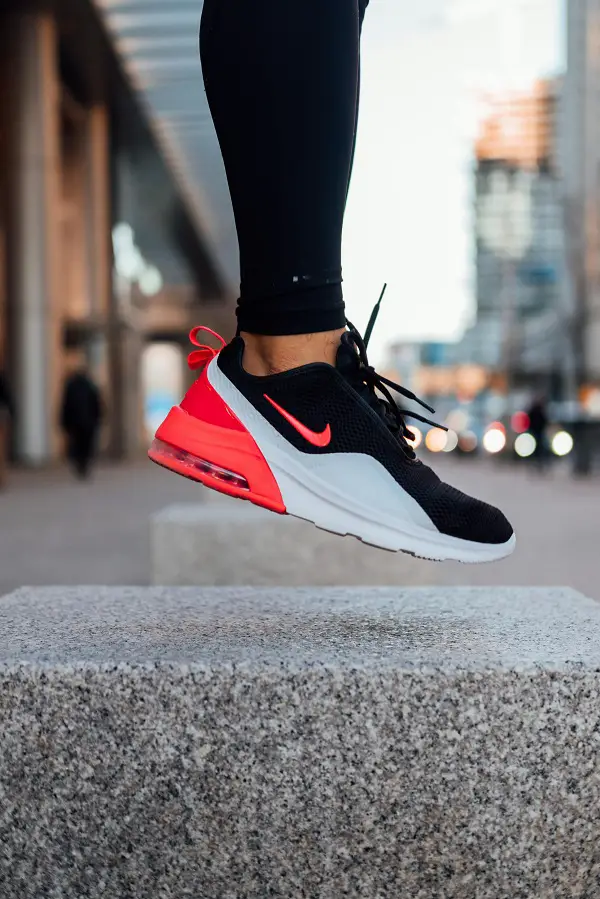
While wholesale partnerships built early scale, the company has shifted toward a more connected direct to consumer model that integrates owned retail, e commerce, and mobile apps. Platforms such as SNKRS, Nike Run Club, and Nike Training Club cultivate membership, storytelling, and services that translate into loyalty and lifetime value. The broader enterprise includes Converse and a network of global sourcing partners, with ongoing investments in responsible practices and the Move to Zero sustainability roadmap.
Brand Identity Overview
Nike’s brand identity blends elite performance with universal inspiration, creating a symbol that speaks to ambition at every level. The brand unites innovation, culture, and community through a recognizable aesthetic and a motivating voice. Its identity is consistent across product, storytelling, and service experiences.
Visual System
The Swoosh is a minimalist mark that signals motion, speed, and aspiration. A restrained palette led by black, white, and bold accent colors supports high contrast storytelling. Product design emphasizes clean lines and visible technology that make performance cues instantly legible.
Verbal Identity
Just Do It distills the brand’s ethos into a direct and empowering call to action. Messaging is concise, energetic, and actionable, favoring short copy that rallies people to move. The voice adapts to sport, style, and community contexts while staying unmistakably Nike.
Personality and Tone
Nike presents a confident, challenger mindset that respects athletes and refuses complacency. The tone is optimistic and demanding, with a focus on progress over perfection. Humor appears selectively, always in service of drive and authenticity.
Heritage and Story
Rooted in running culture and athlete partnerships, Nike’s heritage champions testing, learning, and iteration. Milestones like Air cushioning and the rise of Jordan Brand reinforce a legacy of breakthrough moments. The brand retells its history as fuel for the next performance leap.
Innovation Ethos
Innovation is positioned as a daily discipline, not a campaign idea. Materials, biomechanics, and digital tools converge to solve real athlete problems. Visible tech cues like Air and Flyknit signal credibility and differentiate at first glance.
Community and Purpose
Nike frames sport as a platform for personal and social impact. Programs that promote access, equity, and sustainability align purpose with performance. The identity celebrates diverse athletes whose stories expand what achievement looks like.
Brand Positioning Strategy
Nike positions itself as the catalyst of human potential, where high performance meets cultural relevance. The strategy connects elite innovation to everyday motivation, closing the gap between aspiration and action. Distinctiveness arises from athlete insight, visible technology, and iconic storytelling.
Category Frame of Reference
Nike competes in global sport and lifestyle, bridging performance footwear and apparel with culture and community. The brand defines the category around movement and mindset, not only product segments. This frame lets Nike span training, running, basketball, and style without diluting focus.
Differentiation Pillars
Proven innovation, athlete-endorsed credibility, and an unmistakable creative platform form the core pillars. Data-driven design and lab validation reinforce trust. Cultural collaborations and limited drops keep the brand fresh and socially resonant.
Emotional Territory
Nike owns the feeling of possibility that precedes achievement. Messaging taps resilience, self-belief, and shared momentum in team and individual contexts. The brand promises progress now, rather than distant perfection.
Portfolio Architecture
Performance lines lead with function, while Jordan Brand and Sportswear express heritage and style. Sub-brands and franchises like Air Max, Pegasus, and Mercurial ladder to the master promise. Clear roles prevent overlap and help consumers navigate by need and identity.
Pricing and Value Perception
Nike supports premium pricing through visible tech, athlete stories, and durable performance. Entry points maintain accessibility without eroding halo products. Limited editions signal scarcity and collectability that strengthen brand heat.
Channel Strategy
Direct channels like the Nike App, SNKRS, and flagship stores deliver curated experiences and personalization. Wholesale partners extend reach with controlled presentation standards. Geo and community-led activations ensure local relevance and feedback loops.
Target Audience Profile
Nike serves a broad spectrum of athletes, defined as anyone with a body and a goal. Segments are connected by mindset, digital fluency, and a desire for credible guidance. The brand tailors product and storytelling to fit context, community, and level of play.
Performance Athletes
Competitive runners, hoopers, footballers, and training-focused consumers seek measurable gains. They value lab-tested features, coaching content, and dependable durability. Trust is earned through proof points, not hype.
Everyday Athletes
Fitness enthusiasts and casual movers prioritize comfort, motivation, and versatile style. They want gear that transitions from workout to daily wear. Simple guidance and easy sizing reduce barriers to consistent activity.
Youth and Sneaker Culture
Trend-aware teens and young adults gravitate to storytelling, drops, and creator-led moments. They value authenticity, community status, and digital-first experiences. SNKRS, social platforms, and collaborations shape discovery and loyalty.
Women and Inclusive Athletes
Women seek fit specificity, supportive community, and representation in sport narratives. Adaptable product ranges and inclusive sizing signal respect and expertise. Content that addresses life stages builds long term relevance.
Global Emerging Markets
Rising middle-class consumers look for reliable quality, aspirational design, and local credibility. Mobile commerce and community-led activations guide engagement. Price tiers and localized assortments help Nike win first purchase and repeat use.
Digital Natives and Creators
Creators mix performance, lifestyle, and content production in fluid ways. They respond to co-creation, early access, and tools that help them express identity. Seamless app experiences and flexible returns support rapid experimentation.
Brand Value Proposition
Nike delivers performance innovation, motivational storytelling, and connected services that turn intent into action. The promise balances functional gains with emotional lift and social relevance. Value compounds over time through product ecosystems and membership.
Functional Benefits
Footwear and apparel incorporate research-backed cushioning, traction, and fit for reliable performance. Design systems ensure consistency across training, running, and sport specific needs. Durability and service support extend real use value.
Emotional Benefits
Just Do It activates confidence and momentum at the moment of choice. Coaching, progress tracking, and community cues help users sustain motivation. Ownership feels like a commitment to self, not just a purchase.
Social and Cultural Benefits
Nike connects consumers to a global community that celebrates progress and expression. Collaborations and athlete stories enable identity signaling without excluding newcomers. Participation in events and challenges strengthens belonging.
Digital Experience and Services
Apps provide personalized recommendations, training plans, and early access to products. Data integration across membership, retail, and content reduces friction. Service recovery and fit tools lower uncertainty and returns.
Sustainability and Responsibility
Initiatives aimed at lower impact materials and circularity align values with purchase decisions. Transparency and measurable goals build credibility over time. Consumers gain performance without compromising conscience.
Lifetime Relationship
Nike nurtures a progression from entry gear to specialized franchises and limited editions. Consistent sizing, data informed fit, and care guidance keep products in rotation longer. The relationship scales with the athlete’s journey, turning loyalty into advocacy.
Visual Branding Elements
Nike’s visual identity is built for instant recognition at speed and at scale. The system favors bold simplicity that travels seamlessly from footwear and apparel to storefronts and screens. Every element signals motion, innovation, and competitive spirit while staying flexible across sports and cultures.
The Swoosh as Core Symbol
The Swoosh functions as a distilled expression of movement and achievement. It works at micro sizes on a lace tip and at monumental scale on stadium facades without losing clarity. Strategic placement and generous negative space keep the mark authoritative yet agile.
Color Palette and Contrast
Black, white, and a disciplined set of accent colors create high contrast and legible compositions in varied environments. Electric hues are deployed to spotlight innovation stories or limited releases. Restraint is the default, with bursts of color used to direct attention and convey energy.
Typography and Hierarchy
Nike’s typography is assertive, condensed, and engineered for velocity. Strong headline faces pair with clean sans serifs for utility copy, producing a clear hierarchy that guides the eye. Tight tracking, purposeful line breaks, and ample whitespace amplify impact without clutter.
Photography and Motion Cues
Imagery prioritizes athletes in honest, kinetic moments that showcase strength and focus. Low angles, crisp lighting, and shallow depth of field create drama while highlighting product performance details. Subtle motion blur and dynamic crops suggest speed even in static placements.
Packaging and Retail Touchpoints
Packaging is minimal, durable, and optimized for logistics while preserving unboxing theater. Material textures, precision fits, and disciplined labeling underscore product quality. In-store wayfinding, window treatments, and fixture systems extend the same visual language for a coherent end-to-end experience.
Brand Voice and Messaging
Nike’s voice is direct, motivational, and rooted in the belief that every person is an athlete. Messaging prioritizes action over ornament, with short, memorable phrasing that sticks. The tone flexes by context while staying true to courage, perseverance, and possibility.
Signature Taglines and Mantras
Concise lines act as rallying cries that spark movement and personal commitment. They function as both headline and call to action, collapsing strategy into a single idea. Longevity comes from relevance to human drive rather than a single product cycle.
Tone: Urgency with Empathy
The brand speaks with urgency that invites, not intimidates. Sentences are active, verbs are strong, and adjectives are used sparingly for clarity. Empathy shows up in recognizing effort, struggle, and diverse paths to progress.
Inclusivity and Athlete Definition
Language expands the definition of athlete to welcome all bodies, ages, and abilities. Stories highlight underrepresented communities without tokenism, focusing on authentic experiences. This approach broadens relevance while reinforcing a purpose-led position.
Storytelling Frameworks
Most narratives follow a tension to triumph arc anchored by a clear human insight. Product benefits are woven into the story as enablers, not the hero. Cadence alternates between iconic declarations and quiet moments that earn emotional depth.
Global Consistency with Local Relevance
Core principles travel worldwide, while idioms, references, and talent adapt to local culture. Transcreation is prioritized over direct translation to preserve intent and impact. Guardrails keep the voice recognizable as Nike even when dialects shift.
Marketing Communication Strategy
Nike orchestrates communications around cultural moments, seasonal narratives, and innovation drops. The strategy blends brand building with performance marketing to drive both salience and sales. Messages are sequenced across channels to meet consumers from discovery to conversion.
Launch Architecture and Calendaring
Major releases follow a structured arc that builds anticipation, peaks at reveal, and sustains with community proof. Teasers seed symbols and benefits, followed by reveals that crystallize the story. Post-launch content shifts to education, styling, and availability signals.
Athlete and Creator Partnerships
Partnerships serve as credibility engines and creative catalysts. Talent is selected for cultural influence, performance, and alignment with values. Co-created content and product storytelling deepen authenticity and extend reach organically.
Integrated Media Mix
Upper-funnel channels deliver scale and distinctiveness, while digital performance units capture demand. Out-of-home, experiential, and retail media create physical impact and immediacy. Cohesive creative assets ensure the same idea is recognizable in every placement.
Retail and Experiential Marketing
Pop-ups, run clubs, and training activations turn brand propositions into lived experiences. In-store storytelling ties product features to athlete needs through demonstration and staff advocacy. Geo-targeted communications drive footfall and connect local communities to global campaigns.
Measurement and Optimization
Effectiveness is assessed across brand lift, engagement quality, traffic, and revenue contribution. Mixed-model attribution and controlled tests guide budget shifts without overfitting to last-click signals. Creative is iterated based on message recall, thumb-stop rates, and conversion efficiency.
Digital Branding Strategy
Nike’s digital ecosystem is designed to personalize motivation and simplify purchase. Owned platforms integrate content, community, and commerce to increase lifetime value. Every touchpoint balances performance goals with brand equity building.
UX Design and Performance
Interfaces prioritize speed, clarity, and frictionless navigation across devices. Visual continuity with core brand elements ensures recognition while optimizing usability. Micro-interactions and motion guidelines reinforce energy without distracting from tasks.
Content Personalization
Profiles, behavior signals, and contextual data shape tailored product and training recommendations. Personalization respects user intent, favoring meaningful relevance over excessive frequency. Editorial and utility content blend to keep sessions valuable beyond transactions.
E-commerce Merchandising
Category pages tell performance stories through fit, function, and athlete validation. Dynamic bundles and size-aware prompts improve conversion and reduce returns. Badging strategies distinguish innovation tiers, limited drops, and sustainability attributes.
Community and Membership
Membership programs reward engagement with access, education, and early product visibility. Challenges, progress tracking, and social features turn users into active participants. Community insights inform product roadmaps and content priorities.
Data Governance and Trust
Clear consent, transparent value exchange, and responsible data use protect long-term relationships. Privacy-safe analytics and modeled audiences balance insight with compliance. Messaging around security and control reinforces credibility in the ecosystem.
Social Media Branding Strategy
On social platforms, Nike builds culture through timely storytelling and participatory formats. The approach elevates athletes and everyday performers while showcasing product benefits in context. Speed, relevance, and authenticity guide decisions from concept to comment.
Platform Roles and Content Formats
Each platform serves a distinct purpose, from inspiration reels to conversation threads and live drops. Creative is native to the feed, embracing vertical video, carousels, and ephemeral formats. The core brand idea remains consistent while execution fits the channel’s grammar.
Publishing Cadence and Timing
Cadence aligns with cultural calendars, training seasons, and product drops. Real-time windows are reserved for moments when attention spikes. Consistency sustains engagement, while bursts capitalize on relevance.
Creator Collaborations and UGC
Creators extend credibility into niche communities and emerging subcultures. Guidelines encourage co-creation that feels personal rather than scripted. Curating and elevating community stories reinforces the inclusive definition of athlete.
Social Care and Community Management
Responsive moderation and informed service turn comments into relationship touchpoints. Playbooks outline tone, escalation paths, and resolution standards. Proactive prompts invite dialogue that surfaces insights and builds loyalty.
Social Analytics and Experimentation
Performance is read through attention quality, save and share rates, and downstream actions. Structured experiments test hooks, lengths, and creative framing to refine impact. Learning cycles feed back into production pipelines for continuous improvement.
Influencer and Partnership Strategy
Nike approaches influence as a performance channel that compounds brand equity and demand. The strategy blends athlete authority with creator agility to sustain cultural relevance and product heat.
Athlete led credibility
Elite athletes remain the brand’s proof point for innovation and performance. Signature lines and long term endorsements translate product benefits into human narratives. Iconic moments are packaged into repeatable story systems that drive lifetime value.
Creator and micro influencer ecosystem
Nike scales everyday relevance through diverse creators who reach niche communities. Micro partners supply authenticity, rapid testing, and incremental reach at efficient cost. The mix balances hero talent with a broad bench to reduce concentration risk.
Crossover collaborations and limited drops
Fashion, music, and art collaborations expand Nike beyond sport while protecting performance roots. Limited editions create scarcity, accelerate social sharing, and seed secondary market buzz. Collaboration calendars are sequenced to bridge category launches with cultural peaks.
League, team, and platform partnerships
Global leagues and top clubs deliver mass visibility and seasonal storytelling anchors. Platform partners enable richer formats, live commerce, and data capture at scale. Rights are leveraged across retail, content, and product to maximize yield per asset.
Data informed selection and brand safety
Partner selection integrates audience fit, sentiment health, and performance predictions. Real time monitoring guides creative pivots, frequency control, and geo targeting. Clear guardrails protect against misalignment while preserving creator voice.
Community and purpose driven partnerships
Local coaches, nonprofits, and grassroots organizers connect the brand to everyday athletes. Programs around access, girls in sport, and movement health earn trust. Purpose initiatives are linked to product and measurement to avoid message dilution.
Customer Experience and Engagement Strategy
Nike designs a connected journey that turns motivation into action and action into loyalty. The experience integrates content, community, and commerce across owned and partner touchpoints.
Membership and personalization at scale
Nike Membership unlocks access, early drops, and tailored offers that reward participation. First party data fuels product recommendations and content sequences by sport and intensity. The result is higher retention and more efficient media spend.
Omnichannel convenience and speed
Mobile apps, store inventory visibility, and flexible fulfillment remove friction from purchase. Services like buy online pick up in store and easy returns shorten decision cycles. Delivery promises are positioned as part of product performance.
Content driven commerce
Training tips, athlete stories, and expertise build trust before the add to cart. Shoppable video and live sessions collapse discovery and conversion moments. Editorial cadence aligns with sport seasons and cultural events to lift relevancy.
Service and post purchase touchpoints
Fit guidance, care instructions, and coaching plans extend product life and satisfaction. Warranty clarity and responsive support prevent churn at critical moments. Post purchase flows invite reviews and community sharing to generate earned reach.
Retail as media and community hub
Flagship and neighborhood stores host run clubs, training sessions, and maker workshops. Physical spaces become content stages that amplify digital stories. Local assortments and staff expertise create a sense of belonging.
Feedback loops and continuous optimization
Surveys, behavior signals, and social listening guide rapid UX iterations. Experimentation frameworks test messaging, offers, and merchandising layouts. Insights flow back to product and marketing calendars for compounding gains.
Competitive Branding Analysis
Nike competes in a dynamic mix of performance, lifestyle, and athleisure categories. The brand’s advantage rests on culture shaping power, product credibility, and a scaled digital engine.
Brand equity and cultural relevance
Distinctive assets like the Swoosh and Just Do It deliver instant recognition and meaning. Consistent values oriented storytelling sustains salience across generations. Rivals can match spend but struggle to match narrative depth.
Product innovation cadence
Platforms such as Air, React, and Flyknit create defensible performance lineages. Innovation roadmaps pair material science with athlete validation to reduce launch risk. Competitors win episodically, while Nike manages continuity through platform families.
Digital ecosystem strength
Apps, membership, and owned content provide data advantages and lower acquisition costs. Integrated experiences make it harder for marketplaces to commoditize the brand. Competitors without robust owned channels depend more on paid media.
Pricing and value architecture
A tiered structure spans entry price points to premium signatures without diluting halo. Seasonal promos are used surgically to protect brand value and margin. Competitors leaning on discounts risk training customers away from full price.
Distribution and marketplace control
Selective wholesale, direct to consumer growth, and partner standards preserve experience quality. Pullbacks from undifferentiated channels increase brand heat and data control. Others face channel conflict that weakens storytelling and service.
Risks and vulnerabilities
Supply constraints, social scrutiny, and trend fatigue can erode momentum. Over concentration in hype cycles may distract from core performance positioning. Emerging niche players can chip away through community intimacy and speed.
Future Branding Outlook
The next phase will be defined by deeper personalization, credible sustainability, and new definitions of ownership. Nike’s brand must balance elite performance with inclusive access to protect leadership.
AI powered creativity and personalization
Generative tools will tailor product visuals, training plans, and storefronts by individual. Predictive models can align drops with local demand and weather. Human creative direction remains essential to maintain brand coherence.
Sustainable materials and circularity narratives
Scaling recycled content and repair services will move sustainability from claim to habit. Clear impact metrics and third party validation will strengthen trust. Storytelling should tie environmental gains to performance benefits.
Web3, ownership, and loyalty evolution
Tokenized access and digital collectibles can deepen membership utility. Interoperable identities may connect training achievements to rewards. The focus should be utility first with seamless onboarding.
Women’s sport and global football expansion
Investment in women’s leagues and athletes offers high growth and cultural momentum. Football remains the largest global stage for product storytelling. Gender specific innovation and inclusive sizing will unlock broader adoption.
Regionalization and local storytelling
Localized design, ambassadors, and community programs will increase resonance in key markets. Decentralized content models can keep pace with regional trends. Global brand codes must anchor these local expressions.
Responsible influence and transparency
Disclosure, fair compensation, and safety standards will become differentiation points. Measurable commitments on labor and community impact will shape preference. Proactive governance reduces risk while enhancing credibility.
Conclusion
Nike’s brand strength comes from a system that links influence, product proof, and a high performance customer experience. The approach converts cultural attention into measurable demand while safeguarding long term equity. By institutionalizing data, community, and design, the brand remains agile without losing its core.
Maintaining this edge will require disciplined innovation and honest storytelling. The company should deepen membership value, regionalize narratives, and scale responsible partnerships. With these moves, Nike can extend category leadership as consumer expectations and platforms evolve.
