
Nike turned a scrappy 1964 track-side startup into a global sports powerhouse, redefining how athletes and fans dress, train, and compete. Founded as Blue Ribbon Sports by Bill Bowerman and Phil Knight, the company adopted the Nike name in 1971 and introduced the Swoosh that same year. From Air cushioning to Flyknit and the enduring Just Do It ethos, Nike linked performance innovation with cultural impact at scale.
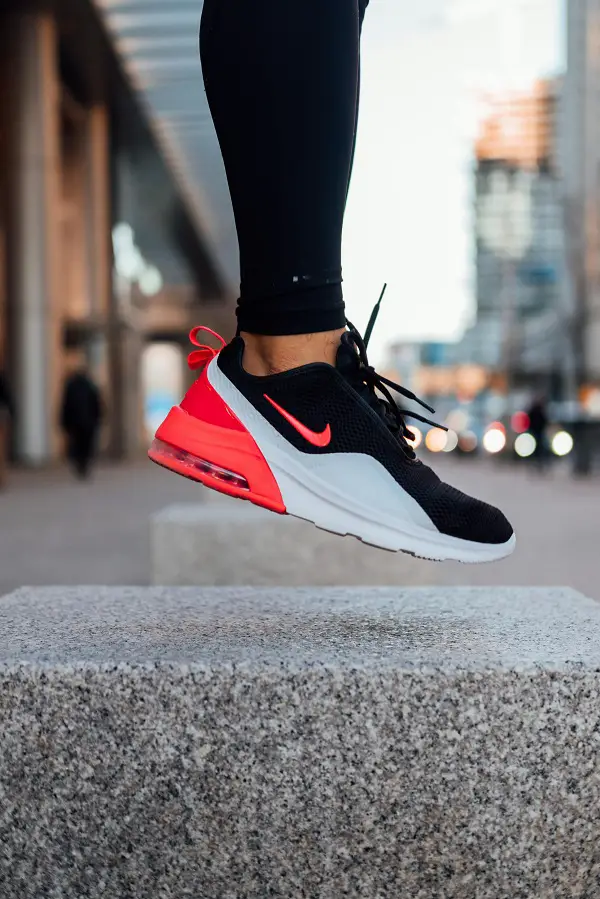
Nike targets competitive athletes, fitness enthusiasts, and style-conscious consumers who expect performance and personality in equal measure. Its products serve elite sport, everyday training, and streetwear, which keeps the brand visible across stadiums, gyms, and city streets. That reach makes Nike a dominant force in athletic footwear, apparel, and accessories worldwide.
The brand’s positioning centers on high-performance design, bold storytelling, and influential athlete partnerships. Consumers value Nike for its comfort, durability, and trend-setting aesthetics, supported by strong digital experiences like SNKRS, Run Club, and Training Club. With global marketing, continuous product updates, and a broad price ladder, Nike remains a benchmark for sportswear excellence.
You may also find these guides helpful:
1. Nike Marketing Strategy
2. Nike Marketing Mix
3. Nike SWOT Analysis
4. Nike Business Model
5. Nike Branding Strategy
Key Criteria for Evaluating Nike Competitors
Assessing Nike alternatives requires more than comparing logos or popular styles. The strongest competitors deliver credible performance, compelling brand stories, and reliable value over time. Use the criteria below to gauge how rivals truly stack up.
- Product performance and innovation: Look for cushioning, traction, stability, and materials science that match sport-specific needs. Independent testing and athlete input add credibility.
- Brand strength and cultural relevance: Evaluate storytelling, athlete endorsements, and resonance in sport, music, and street culture. Cultural momentum supports long-term demand.
- Price and value: Compare MSRP, promotions, and durability to judge cost over the product lifecycle. Value should reflect both performance and style.
- Portfolio breadth and fit: Check sizes, widths, and sport categories from running to basketball to lifestyle. Inclusive fits and consistent sizing improve satisfaction.
- Distribution and omnichannel: Consider retail footprint, e-commerce, and direct-to-consumer experiences. Inventory reliability and easy pickup or returns matter.
- Sustainability and ethics: Review recycled materials, emissions goals, and labor standards. Transparent reporting and third-party certifications signal progress.
- Digital ecosystem and community: Training apps, coaching content, drops, and loyalty programs deepen engagement. Social and event activations build stickiness.
- Customer support and services: Look for responsive service, fair return windows, and warranties. Personalization, repairs, and customization add value.
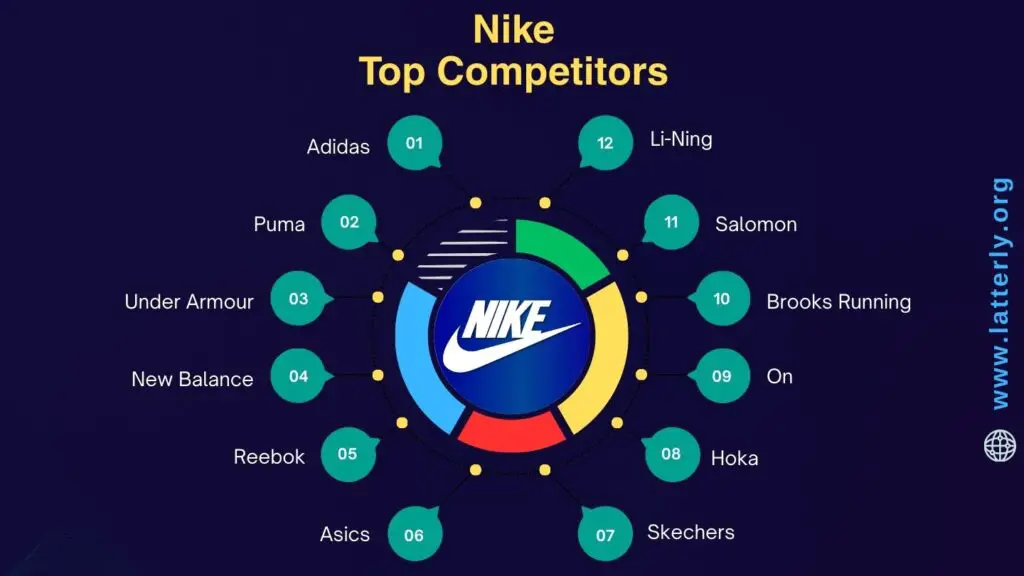
Top 12 Nike Competitors and Alternatives
Adidas
Adidas stands as one of the most recognizable athletic brands globally, blending performance innovation with street-ready style. Its influence spans football, running, and lifestyle, supported by deep partnerships with teams, athletes, and designers. For consumers, the Three Stripes offers a credible option when they want both technical gear and fashion-forward looks.
- Strong in global football, Adidas supplies leading clubs and national teams, which drives visibility for boots, kits, and fanwear across continents.
- Running tech like Boost and Lightstrike foams delivers cushioning and energy return, supported by a full range from daily trainers to carbon-plated racers.
- Broad apparel catalog covers training, athleisure, and originals, making it easy for shoppers to assemble head-to-toe outfits under one brand.
- Collaborations with designers and cultural icons fuel limited releases and hype, while also pulling new customers into core performance lines.
- Omnichannel presence spans flagship stores, strong e-commerce, and wholesale partners, so product access is convenient and consistent worldwide.
- Sustainability programs, including recycled materials and circular pilots, resonate with shoppers who value environmental progress alongside performance.
- Price ladders from entry models to premium drops offer choice for budget-conscious buyers and collectors alike.
- Consumers consider Adidas a top Nike alternative for similar sport coverage, comparable innovation, and a distinct style identity anchored by the Three Stripes.
Puma
Known for fusing sport with fashion, Puma competes through agile design, fast collaborations, and a strong presence in football and motorsport. The brand’s products appeal to style-driven athletes who want versatile footwear and apparel for both training and daily wear. Puma’s European heritage and global reach make it a familiar option in many markets.
- Performance categories span football, running, training, and motorsport-inspired footwear, supported by team kit deals and athlete endorsements.
- Nitro cushioning and lightweight uppers bring credible running performance, complemented by approachable price points across the range.
- Lifestyle franchises leverage archival silhouettes and celebrity partnerships, creating buzz that lifts overall brand interest.
- Distinct design language emphasizes clean lines and bold color blocking, which differs from Nike’s aesthetic and attracts fashion-forward shoppers.
- Strong in Europe and growing in North America and Asia, Puma maintains wide distribution through specialty and mainstream retailers.
- Apparel and accessories complete the look, giving consumers an easy way to match footwear with training or streetwear pieces.
- Frequent limited editions keep collections fresh, while core models remain available for customers who value consistency.
- Buyers see Puma as a Nike alternative for sport credibility paired with a fashionable edge, often at slightly more accessible prices.
Under Armour
Under Armour built its name on performance apparel that keeps athletes dry, supported, and focused. The brand has expanded into footwear, particularly in training, basketball, and running, while keeping its core identity rooted in sweat-tested gear. Many athletes choose it for gym work, team sports, and everyday training staples.
- Moisture-wicking fabrics and compression layers remain hallmark strengths, offering clear utility for practice, games, and recovery.
- Footwear covers training shoes, basketball signatures, and running models with responsive foams and durable traction patterns.
- Appeals strongly to team sports and strength training communities, which rely on supportive base layers and rugged footwear.
- Price positioning spans value to premium, so customers can build a full kit without overspending or step up to flagship tech.
- Direct-to-consumer channels and strategic wholesale partners ensure steady availability for athletes and coaches alike.
- Design language leans performance-first with a clean, technical look, a distinct alternative to more fashion-centric brands.
- Accessories such as bags, socks, and gloves round out the uniform, simplifying team outfitting and personal gear needs.
- Consumers consider Under Armour a Nike alternative when they prioritize training utility, compression expertise, and no-nonsense performance.
New Balance
With deep roots in running and a reputation for comfort, New Balance balances performance engineering with lifestyle credibility. The brand is known for wide size ranges and select Made in USA and Made in UK collections that appeal to quality-oriented buyers. Its mix of heritage and innovation draws both runners and fashion enthusiasts.
- Fresh Foam and FuelCell midsoles deliver cushioning and propulsion, covering daily training, speed work, and race-day needs.
- Extensive sizing and widths provide an inclusive fit, a practical advantage over many competitors’ narrower offerings.
- Lifestyle icons like the 990 series and 550 attract collectors, which elevates brand visibility beyond the running specialty channel.
- Made in USA and Made in UK lines signal premium craftsmanship, supporting higher price tiers and a quality narrative.
- Strong presence in running specialty stores earns trust with gait analysis shoppers and coaches who value data-driven recommendations.
- Team sports and tennis collections add diversity, while collaborations keep the catalog fresh without overshadowing core models.
- Design language favors understated, timeless looks, appealing to buyers who want versatility rather than loud branding.
- For many, New Balance is a Nike alternative thanks to fit options, comfort-first engineering, and a credible lifestyle crossover.
Reebok
Reebok blends fitness heritage with classic lifestyle silhouettes that have stood the test of time. The brand’s presence in training and retro casual wear makes it a versatile choice for gym-goers and style-conscious consumers. Under new ownership, its strategy emphasizes icons and functional performance categories.
- Classics like the Club C, Classic Leather, and Workout anchor lifestyle appeal, offering timeless designs at accessible prices.
- Training lines emphasize durability, stability, and grip, supporting circuit workouts, gym sessions, and functional fitness.
- Running and walking models target comfort and value, providing everyday solutions for casual athletes and commuters.
- Collaborations with boutiques and creatives refresh staple silhouettes, generating buzz without alienating core fans.
- Distribution through major retailers and e-commerce ensures easy access, often with frequent promotions and strong value propositions.
- Apparel spans performance tees, tights, and hoodies, which pair naturally with training footwear for a cohesive kit.
- Brand identity leans into fitness culture and retro authenticity, differentiating Reebok from fashion-led or purely technical competitors.
- Shoppers consider Reebok a Nike alternative when they want proven gym gear and iconic lifestyle sneakers at approachable prices.
Asics
Asics commands strong credibility among serious runners and coaches, drawing on decades of biomechanical research. The brand combines GEL cushioning with stability features that address different gait needs. Its focus on running, tennis, and volleyball gives it a clear performance identity.
- Running range covers neutral, stability, and race-day shoes, including carbon-plated options in the Metaspeed series.
- Guidance systems and arch support technologies help manage overpronation, appealing to runners who prioritize injury mitigation.
- Durable outsoles and robust uppers suit high-mileage training, a key reason specialty shops often recommend Asics.
- Tennis and volleyball footwear deliver court-specific traction and lateral support, extending the brand’s reach beyond road running.
- Apparel emphasizes breathable, quick-dry fabrics and reflective elements, matching the technical tone of the footwear lineup.
- Conservative, performance-led styling resonates with athletes who prefer function over flashy trends.
- Global distribution in specialty and online channels ensures fit options, including multiple widths in selected models.
- Many runners view Asics as a Nike alternative for supportive engineering, gait solutions, and dependable durability.
Skechers
Skechers competes through comfort technology, breadth of assortment, and sharp value. The company serves families, walkers, and casual athletes with a wide range of footwear and apparel. Its scale in global retail makes the brand highly visible and easy to find.
- Comfort features like Arch Fit support and Max Cushioning attract all-day wearers, service workers, and walkers alike.
- Running and training offerings target entry and mid-tier buyers, providing cushioning and stability at accessible prices.
- Extensive lifestyle catalog covers slip-ons, casual sneakers, and sandals, making it a one-stop option for everyday needs.
- Broad size ranges, including wide fits, improve accessibility for customers who struggle to find comfortable options elsewhere.
- Omnichannel presence includes branded stores, e-commerce, and major retailers, which ensures widespread availability and frequent promotions.
- Apparel and work footwear extend utility, particularly in hospitality, healthcare, and industrial settings.
- Designs often emphasize easy-on features and lightweight materials, useful for convenience and travel.
- Consumers consider Skechers a Nike alternative for comfort-first design, family-friendly pricing, and sheer selection breadth.
Hoka
Hoka rose quickly by popularizing maximal cushioning and a smooth, rolling ride. The brand has become a favorite among road runners, trail athletes, and recovery-focused users. Its distinctive silhouettes stand out on shelves and in race corrals.
- Meta-Rocker geometry and high-stack midsoles deliver a cushioned yet propulsive feel that reduces perceived impact over long distances.
- Trail models feature grippy outsoles and protective uppers, serving ultrarunners and hikers who need reliable traction.
- Road lineup spans daily trainers, tempo shoes, and plated racers, covering beginners to marathoners chasing personal bests.
- Recovery sandals and slides extend the brand’s comfort promise beyond workouts, a niche rarely emphasized by larger rivals.
- Bright colorways and bold shapes create instant recognition, helping runners identify Hoka options quickly.
- Distribution through specialty run shops and premium retailers strengthens credibility with coached programs and run clubs.
- Apparel and accessories are expanding, giving fans more ways to stay within the ecosystem.
- Shoppers pick Hoka over Nike when they want maximal cushioning, a gentle rocker feel, and proven comfort for long miles.
On
On, the Swiss performance brand, marries technical running innovation with a sleek, minimalist aesthetic. Its CloudTec cushioning and Speedboard plate deliver a distinct underfoot sensation. The label resonates with runners and urban professionals who want refined design with real performance.
- CloudTec pods compress on impact and rebound on toe-off, creating a cushioned yet responsive ride across road categories.
- Helion superfoam and tuned Speedboards differentiate models for daily training, tempo, and racing use cases.
- Clean, premium styling makes On a favorite for desk-to-5K wear, supporting crossover into lifestyle contexts.
- Growing apparel line emphasizes lightweight, weather-ready fabrics, rounding out the active wardrobe.
- Direct retail stores and strong digital experiences showcase fit and feel, while specialty run shops provide expert validation.
- Innovations like recyclable subscription pilots signal sustainability intent and material experimentation.
- Consistent fit and light weights attract runners who value a nimble, precise feel underfoot.
- Many consider On a Nike alternative for its refined design language, unique cushioning geometry, and premium brand experience.
Brooks Running
Brooks focuses almost exclusively on running, investing in biomechanics and injury-prevention research. The brand’s singular mission resonates with dedicated runners seeking dependable shoes. Its products earn frequent recommendations from specialty retailers and coaches.
- Flagships like the Ghost and Adrenaline GTS offer balanced cushioning and stability, serving a wide range of gait patterns.
- DNA Loft cushioning and GuideRails support systems target comfort and alignment, reducing excessive movement during stride.
- Consistent last shapes and reliable updates build trust among runners who dislike drastic model changes.
- Strong presence in specialty run stores ensures expert fittings, gait analysis, and community run programming.
- Apparel focuses on reflective details, weather resistance, and moisture control, complementing long-run needs.
- Inclusive sizing, including wide and narrow options in key models, helps more runners find an excellent fit.
- Conservative, performance-first aesthetics appeal to buyers who value function, durability, and predictability.
- Runners view Brooks as a Nike alternative for its running-only focus, thoughtful stability solutions, and consistent product experience.
Salomon
Salomon brings mountain sports expertise to trail running, hiking, and outdoor performance. Originating in the French Alps, the brand emphasizes traction, protection, and technical design. It has also found a following in fashion circles through archival and modern trail silhouettes.
- Trail franchises like Speedcross and S/LAB provide aggressive lugs, rock protection, and precise foothold on varied terrain.
- Contagrip outsoles and Quicklace systems deliver reliable grip and fast adjustments, useful for racing and long outings.
- Apparel, packs, and hydration gear complete the kit for trail and ultra pursuits, simplifying one-brand outfitting.
- Weather-ready membranes and chassis systems support stability and comfort across wet, muddy, and alpine conditions.
- Distribution in outdoor specialty and premium retailers positions Salomon as a technical authority.
- XT series and collaborative releases bring trail aesthetics to city streets, extending reach beyond core outdoor users.
- Design prioritizes function and durability, often with lighter weights than traditional hiking brands.
- Customers choose Salomon over Nike for advanced trail traction, mountain-proven construction, and a full outdoor ecosystem.
Li-Ning
Li-Ning is a leading Chinese sportswear company with strong momentum in basketball, badminton, and running. The brand blends performance technology with bold design and competitive pricing. Rapid growth in Asia and selective international expansion put it on the radar for value-savvy athletes.
- Basketball lines feature cushioning platforms and supportive uppers, aided by athlete collaborations in key markets.
- Badminton and table tennis gear benefit from regional expertise, appealing to sports where Li-Ning is highly visible.
- Running shoes incorporate responsive foams and plated options, offering modern performance at attractive prices.
- Fashion-forward collections and runway appearances showcase design ambition and help differentiate from Western competitors.
- Strong direct retail in China and expanding e-commerce improve access and control over brand presentation.
- Apparel covers training and lifestyle needs with bold graphics, giving fans a distinct aesthetic alternative.
- Value positioning and frequent promotions make Li-Ning compelling for budget-conscious buyers seeking performance.
- Shoppers consider Li-Ning a Nike alternative for competitive tech-to-price ratios, standout styling, and strength in court sports.
Fila
Fila leverages a rich heritage in tennis and retro sportswear to deliver accessible style with sporty credibility. The brand’s modern collections revive archival designs while maintaining comfort and value. It resonates with consumers who want casual athletic looks without premium price tags.
- Heritage tennis silhouettes and apparel offer a classic aesthetic that pairs well with contemporary streetwear.
- Lifestyle sneakers emphasize cushioning and bold branding, often at prices below comparable models from major performance labels.
- Collaborations with boutiques and cultural partners refresh legacy styles and draw attention to seasonal drops.
- Activewear basics cover tees, shorts, skirts, and outerwear, suitable for light training and everyday wear.
- Global distribution through fashion and athletic retailers provides broad accessibility for mainstream shoppers.
- Design language skews retro and slightly chunky, appealing to trend-driven consumers who favor 90s nostalgia.
- Performance categories are present but secondary, which suits buyers prioritizing casual wear over race-day specs.
- Consumers view Fila as a Nike alternative when they want recognizable style, comfort, and value in a heritage package.
Mizuno
Mizuno brings Japanese craftsmanship to running, baseball, volleyball, and golf with a reputation for precise engineering. The brand is respected for durable construction and consistent ride characteristics. Athletes who appreciate a firm, responsive feel often gravitate to its footwear.
- Wave Plate technology delivers stability and energy dispersion, creating a distinctive ride across neutral and support shoes.
- Running lineup ranges from cushioned daily trainers to lightweight racers, with a focus on predictable transitions.
- Strong in baseball and volleyball, Mizuno equips athletes with high-quality footwear and protective gear trusted by coaches.
- Premium materials and meticulous stitching drive longevity, appealing to buyers who value durability per dollar.
- Apparel emphasizes breathable fabrics and sport-specific cuts, rounding out kits for training and competition.
- Distribution in specialty channels supports expert fitting and model recommendations based on gait analysis.
- Design tends to be refined and technical rather than flashy, matching the brand’s performance-first philosophy.
- Shoppers consider Mizuno a Nike alternative for stable rides, craftsmanship, and multi-sport credibility.
Top 3 Best Alternatives to Nike
Adidas
Adidas stands out for global scale, soccer pedigree, and design partnerships. Its cushioning platforms like Boost and Lightstrike, plus Continental rubber outsoles, deliver reliable performance across running and training. A visible sustainability roadmap with recycled materials appeals to eco minded shoppers.
Key advantages include balanced underfoot feel, broad sizing, and a deep catalog that ranges from elite soccer boots to iconic lifestyle silhouettes. It suits runners who want durable cushioning and smooth transitions, soccer athletes seeking top tier traction, and style driven users who value premium looks without sacrificing function. Fans of limited drops and collaborations will also find frequent releases.
Under Armour
Under Armour built its reputation on performance apparel that manages heat, sweat, and movement. HeatGear and ColdGear lines, plus focused footwear tech like HOVR and Flow, make it a training staple. The brand’s team sport presence and no frills design ethos resonate with serious athletes.
Advantages include strong moisture wicking, sturdy construction for gym work, and consistent value pricing. It suits gym goers, field sport athletes, and tactical users who need dependable gear that holds up to daily sessions. Runners who prefer a slightly firmer ride with connected coaching through MapMyRun will also feel at home.
Puma
Puma differentiates through sport and fashion crossover, backed by heritage in soccer and motorsport. Recent NITRO foam and updated last shapes have elevated comfort and ride quality in running. High profile collaborations add flair without sacrificing wearability.
Advantages include sleek aesthetics, versatile models that transition from workouts to weekends, and generally accessible pricing. It suits style forward athletes, casual runners, and soccer players who want responsive boots with precise touch. Anyone seeking everyday sneakers with lightweight cushioning and a modern look will find plenty of options.
Final Thoughts
The sportswear market offers many strong Nike alternatives, each with clear strengths in performance, style, and price. Adidas, Under Armour, and Puma represent dependable choices that cover running, training, soccer, and lifestyle needs. Their product depth and steady innovation make them easy brands to shop with confidence.
The best pick comes down to your priorities, such as cushioning feel, sport specific support, design aesthetic, sustainability stance, and budget. Try on multiple models when possible, read recent fit notes, and consider return policies to dial in the right size. With a focused checklist, you can find gear that matches your goals and boosts everyday performance.
