
Target occupies a distinct position in mass retail by uniting style, value, and convenience into a single, memorable promise. Its branding strategy links curated assortments and owned brands with a bright, guest friendly store experience and seamless digital touchpoints. The result is a retailer that feels design forward and accessible, delivering everyday solutions without sacrificing joy.
This strategy article examines how Target’s iconic Bullseye, confident red palette, and Expect More, Pay Less message translate into merchandising, media, and service. It also outlines the role of store as hub operations, Drive Up and Order Pickup, and partnerships such as Ulta Beauty at Target in amplifying the brand. Finally, it looks at loyalty, community investment, and inclusive storytelling as reinforcing signals that build trust and preference.
You may also find these guides helpful:
1. Target Marketing Strategy
2. Target Marketing Mix
3. Target SWOT Analysis
4. Target Business Model
5. Target Competitors
Company Background
Target traces its roots to a discount store concept launched in Minneapolis in the early 1960s, with a clear aim to pair good design with affordable prices. Over time the business grew into a national retailer and evolved into Target Corporation, maintaining headquarters in the Twin Cities and a guest centric culture. The brand is anchored by the Bullseye logo, a vibrant red and white visual system, and a friendly tone that treats shoppers as guests rather than transactions.
The company operates large format stores and smaller urban campuses, using each location as a hub for shopping and fulfillment. Services like Drive Up, Order Pickup, and same day delivery through Shipt integrate stores with digital demand, allowing nearby inventory to move quickly and cost effectively. This operational model supports Target’s promise of convenience while preserving the curated, design led feel that sets the chain apart in mass retail.
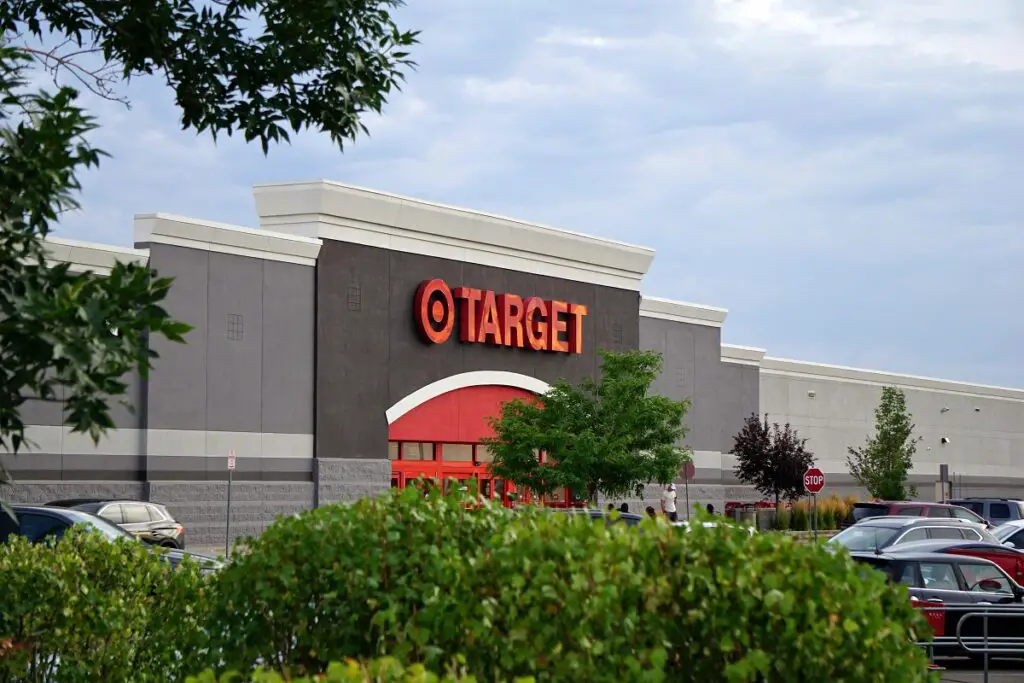
Target’s assortment strategy leans on differentiated owned brands and selective partnerships that elevate everyday categories. Owned brands such as Good & Gather, Cat & Jack, Up & Up, Threshold, and collaborations like Hearth & Hand with Magnolia create proprietary appeal, while shop in shop experiences with Ulta Beauty and enhanced Apple presentations bring credible specialists into the store. The Target app and the Target Circle loyalty program personalize offers, and the company’s inclusive marketing, community investment, and sustainability initiatives further articulate a modern, responsible brand position.
Brand Identity Overview
At its core, Target blends joyful design with everyday value, symbolized by the instantly recognizable red bullseye. The identity conveys optimism, simplicity, and a modern American sensibility that turns routine shopping into a small moment of delight. Every touchpoint is crafted to feel bright, friendly, and confidently curated.
Visual Signature
The red and white palette, circular bullseye, and clean typography create a cohesive system that is bold yet approachable. Store environments emphasize wide aisles, organized endcaps, and seasonal color stories that invite discovery. Packaging and signage extend the visual system for consistency across departments and digital screens.
Brand Personality
Target’s personality is optimistic, design-forward, and service minded. It balances playful energy with reliability, signaling that great style can be simple and attainable. The tone avoids jargon and emphasizes clarity, warmth, and inclusivity.
Voice and Messaging
Messaging is concise, benefit led, and confident, often using a wink of wit to make information memorable. The brand promise is encapsulated by Expect More. Pay Less., which frames both quality and affordability. Copy prioritizes plain language, clear calls to action, and welcoming inclusivity across categories and audiences.
Owned Brands Architecture
Owned brands like Good & Gather, Cat & Jack, Threshold, and Up&Up ladder to the masterbrand while serving distinct needs and aesthetics. Each line is positioned with clear quality cues, pricing tiers, and style signatures. This portfolio strategy builds differentiation while giving guests reasons to explore and trade within the ecosystem.
Omnichannel Touchpoints
The Target app, Drive Up, and Order Pickup extend the brand identity beyond the store through intuitive UX and consistent visual language. Associates, packaging, and last mile services reinforce a seamless experience that feels dependable and upbeat. Moments of surprise, from seasonal drops to designer collaborations, add rhythm and anticipation throughout the year.
Brand Positioning Strategy
Grounded in the belief that style and quality should be accessible, Target positions itself between mass discounters and specialty retailers. The strategy elevates curation and design while preserving value, convenience, and trust. Partnerships and owned brands deepen differentiation, while omnichannel capabilities remove friction.
Core Positioning Statement
For value-conscious households who love great design, Target is the joyful and easy destination that delivers style, quality, and convenience at prices that fit everyday life. The experience is curated, friendly, and reliable across store and digital. Guests leave feeling smart, inspired, and well served.
Competitive Frame of Reference
Target competes with general merchandisers, e-commerce leaders, grocery formats, and specialty retailers. Its advantage lies in blending breadth with a curated feel, supported by national brands and exclusive collaborations. Beauty shop-in-shops and elevated home assortments further bridge mass convenience and specialty credibility.
Points of Difference
Distinctive owned brands, timely design collaborations, and seasonally refreshed merchandising create a sense of discovery. Fast and free pickup options, smooth returns, and intuitive digital tools add real-world convenience. The tone of service is consistently upbeat, which turns errands into an enjoyable routine.
Reasons to Believe
Quality standards, guest-friendly policies, and consistent store operations provide proof behind the promise. Longstanding design partnerships and strong private label satisfaction reinforce credibility. Clear value communication and transparent pricing strengthen confidence at shelf and in app.
Price-Value Architecture
Everyday fair pricing is paired with targeted promotions that reward frequency without training guests to wait for deep discounts. Loyalty benefits through Target Circle personalize savings and reinforce engagement. Seasonal value stories help households plan, budget, and celebrate without compromise.
Target Audience Profile
Today the brand serves a broad spectrum of U.S. shoppers, with concentration among family-oriented and style-conscious consumers who prize convenience. Guests seek trustworthy quality and uplifting design at prices that feel responsible. Digital fluency and flexible fulfillment have expanded relevance across ages and geographies.
Primary Household Managers
Primary shoppers often manage multi-category household needs and appreciate one-stop convenience. They value clear quality cues, predictable pricing, and time-saving services. Messaging that emphasizes ease and confidence resonates strongly.
Young Families
Parents of babies and kids prioritize safety, durability, and affordability across essentials, apparel, and seasonal moments. Predictable fit and quality in owned brands reduce switching and returns. Solutions that simplify errands, like Drive Up and subscriptions, add meaningful relief.
Style Seekers and Affordability Maximizers
Millennial and Gen Z shoppers look for trend-aware products that do not feel disposable. They enjoy limited-time collaborations and expressive home and beauty options that refresh their spaces. Value remains vital, but they will trade up for great design and ethical cues.
Suburban and Urban Convenience Shoppers
Suburban guests rely on stock-up trips, while urban guests often prefer quick missions in smaller formats. Both segments expect seamless digital-to-store transitions and reliable inventory visibility. Consistent service and easy returns keep these missions efficient and stress free.
Psychographics and Motivations
Across segments, shoppers seek confidence, joy, and control over their time and budgets. They respond to brands that share their values and help them feel prepared for everyday life. Discovery, small indulgences, and practical wins all contribute to loyalty.
Brand Value Proposition
The brand’s value proposition blends elevated design, reliable quality, and frictionless convenience at a fair price. Guests should never have to choose between good taste and good sense. The promise is delivered consistently across categories, seasons, and channels.
Quality, Style, and Value Equation
Owned brands provide national brand caliber quality with design details that feel considered. Pricing is calibrated to reward everyday purchasing rather than rare deal hunting. The result is a smart buy that looks and performs above its cost.
Effortless Omnichannel Convenience
Order Pickup, Drive Up, and same-day delivery compress the path from browse to enjoy. The app simplifies discovery, lists, offers, and returns so planning feels easy. Reliability and speed create habit, turning Target into the default choice for many missions.
Curated Discovery and Joy
Fresh assortments, collaborations, and seasonal storytelling keep the experience lively. Endcaps and cross-category vignettes help guests imagine complete solutions. Small surprises create delight without sacrificing clarity or value.
Trust, Safety, and Service
Clear standards, guest-friendly policies, and trained teams build everyday trust. Transparent product information and consistent quality reduce risk and cognitive load. Service interactions aim to be fast, empathetic, and solution oriented.
Community and Sustainability Commitments
Investments in communities, inclusive representation, and responsible sourcing reinforce shared values. Packaging improvements, material choices, and circular design efforts progress over time. Guests see a brand working to do better while keeping value accessible.
Visual Branding Elements
Target is defined by its distinctive visual cues that create instant recognition at shelf, in store, and online. The brand’s design system balances playfulness with precision to feel modern, optimistic, and trustworthy. Every element works together to simplify choice and elevate value.
Color System
Signature red paired with generous white space serves as the brand’s visual anchor. The palette expands with controlled neutrals and seasonal accents that support category storytelling without diluting the core. Consistent contrast and saturation ensure legibility across print, packaging, and digital screens.
Logo and Iconography
The bullseye logo functions as both a mark and a beacon, signaling clarity and ease. Scaled appropriately, it can operate as a focal point or a subtle stamp of assurance. Supporting icons are geometric, minimal, and grid aligned to reflect efficiency and friendliness.
Typography System
A clean sans serif family underscores accessibility and retail clarity. Hierarchy is built through weight, size, and spacing rather than decorative effects. Headlines carry energy, while body copy prioritizes scanability and product understanding.
Retail Environment Design
In store, visual elements guide traffic, highlight value, and frame discovery. Wayfinding uses bold color blocks and crisp type to reduce friction. Feature zones and endcaps apply the system to tell concise stories that invite quick exploration.
Packaging and Private Labels
Private label packaging applies the core system with category specific nuance. Simple grids, clear copy, and confident color blocking lift perception while keeping price cues transparent. Photography and illustration styles flex by line, yet remain cohesive through consistent framing and tone.
Brand Voice and Messaging
Beyond visuals, Target’s voice turns brand values into everyday guidance. The tone blends upbeat optimism with practical clarity, making shopping feel easy and joyful. Messaging aims to be helpful first, promotional second.
Personality Pillars
The voice embodies friendly expertise, upbeat energy, and inclusive warmth. It welcomes broad audiences without losing specificity for distinct needs. The result is a tone that is confident but never pushy.
Tone by Context
Editorial and inspiration content leans expressive and bright. Product detail and service communications shift to concise, directive language to support decisions. Customer care interactions prioritize empathy and plain talk.
Value Proposition and Promise
Messaging affirms quality, design, and affordability living in harmony. It emphasizes ease, from pickup options to curated assortments, as a brand promise. The narrative frames Target as a partner in everyday life, not just a place to buy.
Taglines and Campaign Lines
Short, memorable lines deliver a spark while reinforcing functional benefits. Seasonal campaigns adapt the core attitude to moments that matter to guests. Lines avoid jargon and focus on how products fit real routines.
Linguistic Consistency and Governance
Style guides define vocabulary, punctuation, and accessibility standards to keep the voice uniform. Review checkpoints ensure that copy stays inclusive and compliant across channels. Training equips teams and partners to write with the same clarity and cheer.
Marketing Communication Strategy
To translate brand assets into market impact, communications align on audience, timing, and role. The strategy blends brand building with performance rigor, closing the gap between desire and purchase. Every touchpoint earns attention with relevance and restraint.
Audience Segmentation
Target maps segments by life stage, household needs, and category intensity. Signals from past behavior and contextual data inform message priorities. Creative variations reflect motivations like style, value, or convenience.
Full Funnel Orchestration
Upper funnel activity drives fame, meaning, and mental availability. Mid funnel content educates and nurtures with comparisons, social proof, and service cues. Lower funnel units simplify the next step with clear offers and pickup or delivery clarity.
Creative Strategy and Formats
Video and rich media showcase curated looks and solutions in motion. Static and short form units spotlight price, availability, and quick wins. Creative rotations balance freshness with consistent brand codes to build memory.
Promotional Cadence and Seasonality
Planned bursts align to retail peaks such as back to school and holiday. Always on messaging sustains relevance between spikes with category spotlights. Offers are framed as helpful opportunities rather than steep discounts alone.
Measurement and Optimization
Effectiveness is gauged through brand lift, reach quality, and conversion efficiency. Test designs evaluate message, audience, and format interactions. Insights roll into rapid creative and media adjustments for compounding gains.
Digital Branding Strategy
Digital touchpoints shape perception before a guest enters a store. The strategy combines utility, speed, and personality to reduce friction and inspire discovery. Consistency across web, app, and partners keeps the brand unmistakable.
Website Experience and UX
Site architecture prioritizes intuitive navigation from category to SKU. Visual hierarchy mirrors the brand system to keep pages clean and scannable. Content modules surface value, availability, and fulfillment options without clutter.
Mobile App Ecosystem
The app integrates shopping, offers, and fulfillment in one fluid flow. Visual design stays light and bold to support small screen clarity. Personalized modules highlight relevant deals and saved preferences to reward loyalty.
SEO and Content Architecture
Category pages are structured with clear headings, concise copy, and descriptive filters. Schema and media optimization improve discoverability and load performance. Educational content and guides answer intent based queries and drive internal pathways.
Email and CRM Personalization
Messaging cadence balances value alerts with curated recommendations. Dynamic content adapts by behavior, location, and inventory signals. Templates maintain brand rhythm while allowing category specific storytelling.
Digital Partnerships and Marketplaces
Distribution on partner platforms extends reach while guarding brand integrity. Assets are adapted for format requirements but keep core codes intact. Paid placements prioritize placements that deliver quality traffic and high intent.
Social Media Branding Strategy
Social platforms function as the brand’s real time stage for culture and community. The approach blends inspiration, utility, and service to deepen daily relevance. Content is designed to be recognizable at a glance.
Platform Roles
Each channel serves a distinct purpose based on audience behavior and format. Visual forward platforms emphasize style, mood, and quick ideas. Conversational platforms highlight service updates, policy clarity, and live moments.
Content Themes and Series
Recurring series showcase seasonal looks, home refreshes, and quick recipes. Bite sized how tos and product spotlights deliver immediate usefulness. Moments of delight keep the feed warm while staying shoppable.
Influencer and Creator Collaborations
Creators extend credibility by translating the brand into real life contexts. Partnerships prioritize authenticity, brand safety, and audience fit. Co developed content blends creator voice with distinct brand cues.
Community Management and Social Care
Timely responses and transparent updates build trust and reduce friction. Moderation guidelines protect inclusivity while inviting genuine dialogue. Insights from comments inform merchandising, messaging, and service improvements.
Social Commerce and Shoppable Media
Native storefronts and tagged posts streamline path to purchase. Live shopping and drops create urgency when aligned to inventory confidence. Measurement covers view through impact and assisted sales to capture full value.
Influencer and Partnership Strategy
Target’s brand thrives at the intersection of style, value, and culture, making influencer and partnership strategy a growth engine. The objective is to extend credibility and reach while translating inspiration into measurable commerce. A balanced portfolio across creators, designers, and retail allies builds compounding brand equity.
Tiered Creator Ecosystem
Deploy a tiered mix of mega, mid, and micro creators to blend scale with authenticity. Micro and local creators drive high trust and community signals, while marquee names deliver top of funnel visibility. Seasonal rotations align with back to school, holidays, and home refresh cycles.
Designer and Brand Collaborations
Limited edition designer capsules reinforce Target’s design forward promise. Collabs should spotlight inclusive sizing, accessible price points, and sustainable materials where feasible. Drop cadence and scarcity can be engineered to spark social buzz without frustrating loyal guests.
Retail Media and Creator Commerce
Integrate creators with Roundel to connect storytelling to shoppable media. Use personalized landing pages, promo codes, and app deep links to reduce friction and attribute sales. Always on content should anchor tentpole moments and new owned brand launches.
Community and Cause Partnerships
Partner with educators, local nonprofits, and multicultural organizations to amplify purpose. Co created content around back to school drives or disaster relief demonstrates values in action. Transparency about impact and matching donations increases trust.
Shop in Shop Alliances
Deepen Ulta Beauty at Target, Apple, and Starbucks integrations with co produced content and sampling. Feature store associates and brand experts in tutorials that demystify cross category routines. Use proximity push in the app to guide discovery near these zones.
Measurement and Governance
Standardize briefs, brand safety, and FTC compliance to protect equity. Track view through conversions, new to brand rates, and lifetime value by creator tier. Iterate creative quickly using lift studies and incrementality testing.
Customer Experience and Engagement Strategy
Target wins when shopping feels effortless and inspired across every touchpoint. The strategy elevates convenience while curating discovery that affirms the brand’s design led value. Data informed personalization turns traffic into loyalty and loyalty into advocacy.
Omnichannel Cohesion
Unify Drive Up, Order Pickup, same day delivery, and in aisle moments with consistent pricing and promos. The store as hub model should prioritize speed, accurate inventory, and seamless returns. Clear wayfinding in app and in store reduces cognitive load.
Loyalty and Personalization
Target Circle and membership tiers like Circle 360 translate savings into stickiness. Serve dynamic offers based on life stage signals, trip missions, and owned brand affinity. Gamified milestones and exclusive drops reward frequency without eroding margin.
In Store Experience and Merchandising
Seasonal vignettes, endcap storytelling, and curated adjacencies spark cross category baskets. Shop in shop zones for beauty, tech, and baby should feel service rich and navigable. Lighting, music, and tidy shelves reinforce quality cues at mass prices.
Service Design and Accessibility
Balance self checkout throughput with associate led service for complex purchases. Expand curbside returns and drive up add ons to grow convenience share. ADA friendly layouts and inclusive fitting rooms support equitable experiences.
Community and Inclusivity
Feature diverse models, adaptive apparel, and inclusive beauty shades to reflect real guests. Price points must remain accessible without sacrificing perceived quality. Localized assortments and events deepen neighborhood relevance.
Feedback Loops and CX Metrics
Instrument the journey with NPS, app ratings, and pickup satisfaction at the order level. Mine reviews and social sentiment to prioritize fixes and test improvements. Tie CX drivers to revenue through cohort and retention analysis.
Competitive Branding Analysis
Across mass retail, Target competes by blending value with style and a curated feel. The brand’s sweet spot sits between discount scale and specialty inspiration. Competitor moves demand clear points of difference that are easy for guests to feel and recall.
Versus Walmart
Walmart leads on everyday low price and breadth, pressuring price perception. Target can defend by emphasizing design, owned brand quality, and frictionless pickup. Price matching and selective investments protect key value beacons.
Versus Amazon
Amazon dominates on selection and shipping velocity with a transactional experience. Target’s edge is tactile discovery, instant fulfillment via stores, and curated inspiration. Retail media plus stores enables closed loop storytelling that Amazon cannot replicate in person.
Versus Costco and Club Models
Club value wins on bulk and loyalty economics. Target should spotlight right size packs, trend forward assortments, and convenience missions. Occasional multi packs and pantry events can blunt trade down without diluting brand.
Grocery and Essentials Landscape
Regional grocers compete on fresh and local, while inflation shapes trip behavior. Target can grow share with reliable fresh standards, meal solutions, and Good and Gather trust cues. Consistent availability and quality matter more than exotic variety.
Owned Brands as a Moat
Cat and Jack, Good and Gather, and Up and Up deliver margin and differentiation. These lines should anchor value storytelling and quality guarantees. Refreshes and limited capsules keep them culturally relevant.
Risks and Vulnerabilities
Shrink, supply chain volatility, and pricing gaps can erode experience and trust. Overly complex promotions may confuse guests and hurt price clarity. Discipline in value communication and inventory accuracy is essential.
Future Branding Outlook
The next phase requires scaling cultural relevance while defending value credibility. Target can compound advantages by fusing retail media, loyalty, and experiential retail. Precision execution will decide whether inspiration converts into repeatable growth.
Loyalty and Membership Evolution
Expand Circle benefits with member only experiences, faster fulfillment, and partner perks. Personalization should feel helpful, not intrusive, with transparent controls. A clear value ladder encourages upgrades while protecting profitability.
Category Authority Through Partnerships
Grow Ulta Beauty at Target, Apple, and wellness partnerships to anchor destination trips. Co develop services like shade matching or tech setup that are hard to copy. Content and sampling pipelines should feed continuous discovery.
Sustainability and Ethical Leadership
Advance goals on packaging reduction, recyclable materials, and responsible sourcing. Communicate progress with simple labels and credible third party validations. Link sustainable choices to savings to broaden participation.
AI and Retail Media Integration
Use AI to power predictive offers, search relevancy, and inventory precision. Roundel can monetize audiences while improving guest relevance through closed loop insights. Guardrails for privacy and bias will be a brand differentiator.
Format and Real Estate Innovation
Scale small format urban stores and campus footprints to meet local missions. Flexible fixtures and modular assortments let spaces adapt to seasonal demand. Backroom automation supports store as hub speed without sacrificing service.
Resilience and Risk Management
Invest in shrink reduction, vendor diversification, and dynamic pricing science. Scenario planning for demand shifts keeps inventory healthy and markdowns controlled. Crisis ready communications maintain trust when disruptions occur.
Conclusion
Target’s branding strategy works best when it unites design forward inspiration, dependable value, and frictionless convenience. Influencers and partnerships extend cultural reach while retail media and loyalty close the loop to measurable outcomes. The store network then turns that momentum into fast fulfillment and tactile discovery that competitors struggle to match.
Execution must be precise, data informed, and human centered. Clear value cues, inventory accuracy, and service consistency protect trust during economic swings. With disciplined testing and purpose driven storytelling, Target can defend its core and unlock new trips across beauty, home, apparel, and everyday essentials.
