
McDonald’s is one of the world’s most recognizable consumer brands, built on distinctive visual and sonic codes that travel across cultures. The Golden Arches, the red and yellow palette, and the “I’m Lovin’ It” jingle create immediate recognition and a promise of value, convenience, and familiarity. Its branding excels at making the brand easy to notice, easy to choose, and easy to access in more than a hundred markets.
This article examines how McDonald’s orchestrates those assets across restaurants, packaging, advertising, and digital experiences to maintain leadership. It explores the balance between global consistency and local relevance, the role of menu and pricing architecture, and the integration of delivery, loyalty, and partnerships. The focus is on the strategic choices that protect the core while enabling adaptive growth.
Brand equity manifests in high mental and physical availability, reinforced by scale, franchising, and sustained media investment. Understanding these levers clarifies how McDonald’s sustains preference amid evolving tastes and competitive formats.
You may also find these McDonald's guides helpful:
1. McDonald's Marketing Strategy
2. McDonald's Competitors
3. McDonald's Marketing Mix
4. McDonald's SWOT Analysis
5. McDonald's Business Model
Company Background
The brand originated in the 1940s with a streamlined quick-service format created by Richard and Maurice McDonald, then scaled nationally under Ray Kroc in the following decades. A franchise-led model allowed rapid expansion while codifying kitchen workflows, supplier standards, and a consistent guest experience. This systemization embedded the brand’s early promise of quality, service, cleanliness, and value, which still anchors positioning today.
McDonald’s developed enduring brand assets that deliver instant recognition and trust. The Golden Arches, the Happy Meal, and family-friendly characters historically amplified distinctiveness, while menu icons like the Big Mac and Chicken McNuggets provide reliable anchors for promotions. Over time, the “I’m Lovin’ It” platform unified messaging globally, shifting tone from product features to feel-good moments that translate across cultures.

In recent years the company has modernized the estate with digital kiosks, mobile ordering, delivery integrations, and data-enabled loyalty programs, reinforcing convenience and personalization. The supply chain and three-legged stool partnership among company, franchisees, and suppliers support consistent quality while enabling local menu adaptations, portioning, and price points. Sustainability commitments around packaging, sourcing, and restaurant energy frame long-term trust building, as consumers and regulators raise expectations.
Brand Identity Overview
McDonald’s projects a universally recognized identity that balances familiarity with modern convenience. The brand fuses iconic visual assets with a service promise centered on simple, feel-good moments to create instant recognition across markets.
Distinctive Visual Codes
The Golden Arches, the red and yellow palette, and the smile motif serve as unmistakable brand codes. These elements are deployed consistently on storefronts, packaging, uniforms, and digital interfaces to reinforce memory structures. The visual system signals warmth, speed, and accessibility at a glance.
Verbal and Sonic Branding
The “I’m lovin’ it” line and its jingle deliver a concise, upbeat articulation of the brand ethos. The tone of voice is friendly, straightforward, and optimistic across paid, owned, and earned channels. Messaging favors short, affirmative phrases that travel well across languages.
Product and Packaging Signifiers
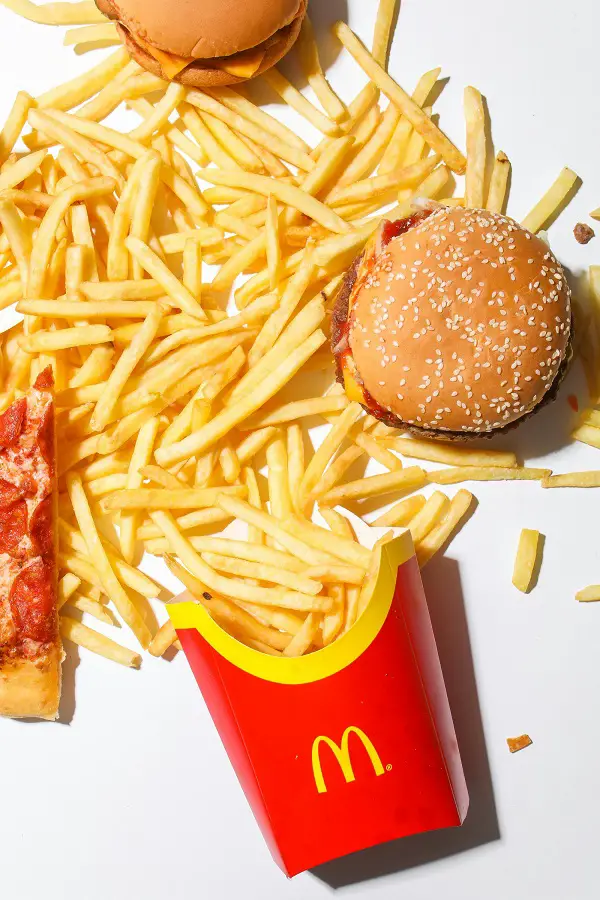
Core items like fries and the Big Mac function as signature identifiers that anchor the menu globally. Clean, color-blocked packaging and the Happy Meal box with a smile icon cue playfulness and reliability. Limited-time designs allow seasonal expression without diluting core codes.
Service Experience Cues
Digital menu boards, self-order kiosks, and consistent crew uniforms emphasize efficiency and clarity. Drive-thru speed, order accuracy, and hot, fresh presentation are operational signatures that reinforce the brand identity. App UX, order tracking, and rewards integrate the physical and digital experience.
Purpose and Personality
The brand personality is inclusive, upbeat, and pragmatic, focused on everyday enjoyment. Community initiatives and family-oriented experiences underscore a caring posture. The identity prioritizes approachability over exclusivity, celebrating small moments rather than grand gestures.
Brand Positioning Strategy
The brand is positioned as the most convenient, consistent, and enjoyable choice for quick meals and small indulgences. It targets everyday occasions with a balance of value, taste, and speed while maintaining cultural relevance market by market.
Competitive Frame of Reference
McDonald’s competes within the global quick-service restaurant set, with a core in burgers and fries and strong presence in breakfast and coffee. Competitors include large burger chains, convenience-led chicken players, and local fast-casual concepts. The frame spans dine-in, drive-thru, delivery, and on-the-go consumption.
Point of Difference
Distinctive brand codes, unmatched location density, and operational consistency differentiate the brand. Signature products and fries leadership create taste-based distinctiveness. The integrated digital ecosystem, from app ordering to loyalty, adds a modern convenience moat.
Points of Parity
McDonald’s meets category hygiene factors such as competitive pricing, cleanliness standards, and menu variety including chicken, salads, and desserts. It offers drive-thru, delivery, and breakfast like key rivals. Seasonal limited-time offers maintain novelty alongside familiar staples.
Price and Value Architecture
Entry price points, bundles, and family meals deliver clear value signals while premium line extensions stretch upward. Dynamic offers in the app tailor deals to behaviors and local economics. This structure protects traffic while supporting margin through mix management.
Channel and Occasion Strategy
The brand leads in drive-thru and increasingly in digital pre-order and delivery. It addresses multiple dayparts including breakfast, lunch, snack, dinner, and late night with occasion-fit items. Convenience and speed remain the primary decision drivers across channels.
Local Relevance at Global Scale
A glocal playbook adapts menu items to local tastes while preserving core icons. Examples include spice-forward sandwiches in Asia, vegetarian options in India, and teriyaki flavors in Japan. Packaging, pricing, and messaging flex within a consistent brand frame.
Target Audience Profile
McDonald’s serves a broad mass-market audience with segments defined more by occasions and mindsets than narrow demographics. The common thread is a desire for reliable taste, speed, and value across everyday moments.
Families With Children
Parents seek predictable meals, kid-appeal, and clean, efficient experiences. Happy Meal formats, toy surprises, and smaller portion options support family routines. Trust, convenience, and menu transparency shape purchase decisions.
Value Seekers and Deal Shoppers
Price-sensitive consumers prioritize affordable bundles and clear promotional offers. They respond to app-exclusive deals and loyalty rewards that stretch budgets. Consistent portioning and satisfying taste reinforce repeat visits.
Time-Pressed Urban Professionals
Commuters and shift workers need fast, accurate, and mobile-enabled ordering. Breakfast sandwiches, coffee, and quick lunch staples fit tight schedules. Delivery and curbside pickup extend convenience to workplaces and homes.
Students and Young Adults
Younger diners look for late-night access, social shareability, and novelty through limited-time items. Digital-first communication and gamified rewards keep engagement high. Affordable treats and snackable formats support social moments.
Travelers and Road Users
Highway locations and extended hours capture road trips and logistics workers. Drive-thru speed, consistent rest stops, and reliable coffee are key motivators. Predictable menus reduce decision friction when time and familiarity matter.
Digital-First Loyalists
Frequent users adopt the app for personalization, stored favorites, and frictionless payment. They value order tracking, pickup choice, and targeted offers that match behaviors. Loyalty status and streak mechanics increase visit frequency.
Brand Value Proposition
McDonald’s promises consistent taste, fast service, and broad accessibility at an everyday price. The value extends beyond food to frictionless ordering, dependable standards, and moments of simple enjoyment.
Functional Benefits
Guests receive hot, fresh food quickly with high order accuracy across formats. Menu variety spans breakfast to late night with reliable core items and rotating innovations. Dense locations and proven processes reduce time costs.
Emotional Benefits
The brand delivers comfort, lighthearted joy, and social connection through familiar rituals. Nostalgia pairs with small indulgences that brighten ordinary days. Predictability lowers stress, creating confidence in each visit.
Economic Value
Clear price tiers, bundles, and loyalty rewards make the experience feel smart and affordable. Promotions and app offers provide personalized savings without sacrificing choice. Consistent portion value underpins trust in pricing.
Experience and Access
Omnichannel access spans dine-in, drive-thru, curbside, and delivery with seamless digital integration. The app simplifies customization, reorders, and payments to reduce friction. Extended hours and widespread locations increase availability.
Trust and Safety
Standardized food safety protocols and supplier oversight protect quality across markets. Clean restaurants and transparent nutrition information support informed choices. Operational consistency builds reliability visit after visit.
Evolving Sustainability Promise
Packaging reductions, recycling initiatives, and responsible sourcing goals reflect a pragmatic path forward. Efforts around energy efficiency and materials improvements are scaled through the supply chain. Progress is communicated with an emphasis on measurable, stepwise change.
Visual Branding Elements
Few brands own a visual system as instantly recognized as McDonald’s. The identity relies on simple forms, bold color, and consistent repetition to build memory structure. Every touchpoint reinforces a set of cues that feel familiar yet adaptable to local contexts.
Iconic Color Palette and Contrast
Red and yellow signal warmth, appetite, and energy, while delivering high contrast that cuts through clutter in busy environments. The palette scales from daylight signage to small mobile icons without losing impact. Modern applications introduce neutrals as supporting tones to balance vibrancy.
Golden Arches and Shape Language
The arches function as a symbol and a framing device that guides composition. Their rounded geometry informs typography choices, illustration styles, and spatial layouts. This shape language extends from storefronts to app buttons, creating a seamless visual thread.
Packaging as Mobile Billboard
Cups, wrappers, and bags operate as moving media that amplify visibility beyond the restaurant. Minimalist marks, bold type, and generous white space make items legible at a glance. Sustainable materials and on-pack storytelling can signal responsibility without diluting core equities.
In-Store Environments and Wayfinding
Clear signage hierarchies direct flow from entrance to order and pick-up points. Digital menu boards use motion and contrast sparingly to aid quick decisions. Lighting, materials, and zoning echo the brand while accommodating local architectural codes.
Menu Imagery and Food Styling
Photography emphasizes appetite appeal through tight crops, natural textures, and believable portions. Color grading balances warmth with clarity to maintain consistency across markets. Motion snippets and cinemagraphs translate these cues for digital channels.
Brand Voice and Messaging
At its core, the voice is friendly, confident, and uncomplicated. It speaks in everyday language that feels conversational without losing authority. Humor appears selectively to humanize the brand and reward attention.
Tone Pillars
The tone balances optimism, simplicity, and approachability. Sentences are short, direct, and benefit led to respect time and context. Jargon is avoided in favor of clear verbs and familiar expressions.
Taglines and Slogans
A global tagline anchors consistency while campaigns flex around it. Support lines reinforce moments of enjoyment, value, and convenience. The interplay between a fixed brand line and rotating campaign themes keeps messaging fresh yet coherent.
Local Relevance with Global Consistency
Messaging frameworks provide common structures that local teams adapt for language, cultural nuance, and menu differences. Core promises remain constant to maintain recognition. This balance protects equity while inviting regional creativity.
Simplicity and Clarity
Claims are specific, believable, and easy to verify in experience. Headlines focus on one idea and one action per unit. Body copy trims unnecessary qualifiers to let product and value stand out.
Emotional Resonance and Everyday Joy
Stories center on small, relatable moments rather than grand statements. Warmth comes from observation and detail rather than overt sentimentality. The brand speaks with people, not at them, which builds trust over time.
Marketing Communication Strategy
In a crowded media environment, effective communication prioritizes precision and reach efficiency. The strategy blends mass impact with targeted relevance to drive both penetration and frequency. Creative is designed to be recognizable in the first seconds of exposure.
Audience Segmentation and Journey Mapping
Segments are defined by need states such as quick lunch, family treat, and late night convenience. Messaging ladders from awareness to action with assets tailored to each stage. Journey insights determine where to emphasize value, taste, or time savings.
Channel Mix and Flighting
Television, online video, and out of home build broad memory. Paid social, search, and programmatic deliver timely prompts near decision moments. Flighting aligns with product news, seasonal pushes, and competitive noise levels.
Value Proposition Framing
Value is framed as quality for the price, not discount alone. Offers are simple to understand and easy to redeem across channels. Visual anchors and consistent pricing cues reduce friction at the point of choice.
Partnerships and Cultural Moments
Collaborations with entertainment, sports, and music extend reach to passionate communities. Limited time products and themed packaging create urgency and talkability. Cultural alignment is evaluated for fit, authenticity, and operational feasibility.
Measurement and Optimization
Brand lift, reach quality, and sales response provide a balanced scorecard. Creative is pre tested for distinctiveness and clarity, then iterated based on real world performance. Incrementality studies guide budget shifts toward the highest return placements.
Digital Branding Strategy
Across the digital ecosystem, the brand must be instantly recognizable and functionally reliable. Design systems translate equities into components that work at any screen size. Performance, accessibility, and trust signals shape perceptions as much as visuals.
Owned Web and App Experience
The website and app prioritize speed, intuitive navigation, and clear calls to action. Visual identity elements are applied with restraint to keep the path to order effortless. Service messages and store information stay current to reduce customer uncertainty.
Personalization and Loyalty
Offers and content respond to recency, frequency, and preferences where privacy policies allow. Loyalty programs reward habitual behaviors with transparent value. Smart defaults and remembered choices make repeat orders faster.
Search and Discoverability
Structured data, local listings, and consistent naming improve findability for nearby searches. Paid search captures intent with concise copy and sitelinks to key actions. Content answers common questions to reduce bounce and build authority.
Content and UX Consistency
Component libraries ensure buttons, icons, and typography behave the same across pages. Motion standards keep transitions smooth and purposeful without distraction. Error states, confirmations, and help content reflect the friendly voice.
Data Governance and Privacy Signaling
Clear consent flows and transparent data use statements build confidence. Security credentials and recognizable payment options reinforce safety. Preference centers give users control without complicating the experience.
Social Media Branding Strategy
On social platforms, the brand wins by being entertaining, useful, and unmistakably itself. Content is planned for speed and relevance while maintaining visual and verbal cohesion. Community relationships are nurtured with timely responses and a light touch.
Platform Roles and Cadence
Each platform serves a distinct purpose such as culture building, service updates, or promotion. Cadence adapts to audience expectations and algorithmic realities. Priority is given to formats that showcase appetite appeal and quick value.
Creative System and Templates
Templates lock in logo placement, color use, and typography while allowing playful variation. Short captions, bold framing, and product close ups enhance stopping power. Motion is optimized for silent autoplay with strong opening seconds.
Community Management and Social Care
Replies are personable, concise, and solution oriented. Triage rules route service issues to the fastest resolution channel. Escalation protocols protect tone and accuracy during high volume moments.
Influencer and Creator Collaborations
Partners are selected for authentic audience fit and content style alignment. Briefs outline must haves while giving creators latitude to speak in their own voice. Performance is evaluated on engagement quality and conversion proxies.
Social Listening and Agility
Monitoring identifies emerging topics, sentiment shifts, and creative opportunities. Rapid content sprints translate insights into timely posts that feel organic. Learning feeds the broader calendar to refine themes that consistently resonate.
Influencer and Partnership Strategy
McDonald’s leverages a portfolio approach to partnerships that blends mass-reach entertainment with highly targeted creator ecosystems. The aim is to translate cultural heat into traffic and ticket size while protecting brand equity at a global scale. Success depends on disciplined governance, repeatable formats, and clear performance signals across markets.
Creator Collaborations and Social Proof
Short-form creators on TikTok, YouTube, and Instagram drive discovery moments that convert into local store visits. McDonald’s should brief creators to focus on crave-inducing product rituals, price transparency, and limited-time urgency. Clear FTC compliance and brand safety vetting preserve trust without diluting authenticity.
Celebrity Meals and Cultural Moments
Signature celebrity meals efficiently package menu familiarity with novelty, compressing concept-to-shelf timelines. These drops benefit from distinctive names, collectible packaging, and music tie-ins to extend media value. Sequencing launches by region sustains conversation waves and allows inventory pacing.
Sports and Entertainment Partnerships
Major sports leagues, global tournaments, and music festivals provide tentpole reach and family-friendly alignment. On-site sampling, team-themed packaging, and second-screen offers bridge broadcast attention to app acquisition. Measurement should isolate incremental lift versus baseline seasonal demand.
Community and Local Influencers
Hyperlocal food bloggers and student creators translate national campaigns into neighborhood relevance. Franchisees can fund geo-targeted creator content that features store remodels, crew stories, and late-night convenience. Guidelines should standardize menu depiction and pricing to avoid consumer confusion.
Cross-Platform Measurement and Governance
Set tiered KPIs spanning awareness, cost per app registration, first order rate, and repeat purchase windows. A centralized approval hub, brand asset library, and crisis playbooks reduce execution risk. Quarterly post-mortems should inform offer architecture, creator mix, and content formats.
Customer Experience and Engagement Strategy
McDonald’s growth engine is an experience flywheel that compounds speed, consistency, and personalization. The objective is to reduce friction at every touchpoint while turning routine orders into loyalty-building interactions. Data from app, drive-thru, and kiosks must connect into a single view of the guest.
Omnichannel Journey and Convenience
Order-ahead, curbside, delivery, and rapid drive-thru remain category-defining strengths. Digital menu boards and dual-lane throughput protect speed during peak periods. Clear wayfinding and status updates minimize uncertainty and perceived wait time.
Personalization and Loyalty
MyMcDonald’s Rewards should serve dynamic offers based on recency, basket mix, and time-of-day propensity. Gamified challenges anchored to seasonal menus lift frequency without deep discounting. Transparent point accrual and predictable redemption build long-term trust.
Digital Service Design and Friction Reduction
In-app flows need fewer taps, default favorites, and seamless payment wallets to reduce abandonment. Kiosks should surface popular bundles, accessibility options, and allergen information without cognitive overload. Consistent error recovery, like instant refunds for failed orders, preserves brand goodwill.
Experience Quality and Operations Storytelling
Crew excellence is a differentiator that deserves front-stage visibility in content and community. Showcasing kitchen standards, coffee calibration, and breakfast freshness reframes value beyond price. Packaging cues and product photography must align with actual in-hand experiences.
Feedback Loops and Community Engagement
Real-time sentiment from app reviews, social listening, and post-visit surveys should feed a prioritized fix list. Local pilots, such as late-night menus or regional sauces, can scale after proving repeat lift and operational fit. Charity tie-ins and youth programs reinforce family relevance and civic impact.
Competitive Branding Analysis
The quick-service landscape is a contest of value perception, convenience, and cultural salience. McDonald’s advantage stems from brand memory structures, real estate density, and disciplined operations. Competitors pressure-test the brand through niche positioning, menu theater, and digital loyalty wars.
Brand Positioning Landscape
Wendy’s leans into a challenger voice and freshness cues, while Burger King emphasizes flame-grilling and customization. Chick-fil-A competes on service reputation and limited menu focus. McDonald’s balances family, ubiquity, and everyday affordability with iconic assets like the Golden Arches and Happy Meal.
Digital and Loyalty Arms Race
All major players push apps and rewards to capture first-party data and lower acquisition costs. McDonald’s scale yields superior offer testing and media efficiency across markets. The risk is promotion fatigue if personalization fails to feel timely and relevant.
Menu and Innovation Dynamics
Fast casual brands highlight quality cues and global flavors that raise category expectations. McDonald’s offsets with smart LTOs, breakfast leadership, and McCafé credibility. Plant-forward and protein variety, including regional spice profiles, protect relevance across demographics.
Price Value and Accessibility
Inflation reshapes value ladders, making price-pack architecture a battleground. McDonald’s can win by pairing entry price points with trade-up bundles that improve margin. Ubiquitous drive-thru access and late-night hours remain defensible moats.
Risks and Defensive Moves
Competitors exploit service lapses, delivery fees, and health perceptions to siphon share. Tight operations, transparent nutrition info, and localized storytelling blunt these attacks. Consistent brand codes across touchpoints maintain mental availability during switch moments.
Future Branding Outlook
Momentum will hinge on turning data scale into empathetic experiences without feeling invasive. Cultural credibility must be renewed continuously through partnerships that move beyond one-off stunts. Operational excellence remains the bedrock that allows creative risk-taking.
Data-Driven Personalization at Scale
AI-driven propensity models can orchestrate time-sensitive offers across app, drive-thru, and email. Guardrails should cap frequency and protect basket margin while improving perceived value. Clear consent and preference centers will strengthen data trust.
Next-Gen Partnerships and Culture
Gaming, creators-as-entrepreneurs, and global music scenes offer repeatable platforms for drops and co-creations. IP partnerships that evolve Happy Meal play into AR collectibles can extend brand memory for families. Co-developed menu items should be operationally simple and globally modular.
Physical-Digital Store Evolution
Kitchen automation, order staging, and predictive prep shorten cycle times and stabilize quality. Drive-thru recognition with opt-in profiles can surface favorites and payment in one flow. Smaller-footprint, pickup-first formats will optimize urban density and delivery economics.
Sustainability and Trust Signaling
Packaging reductions, renewable energy pilots, and supplier transparency should be communicated through proof-first storytelling. Emphasizing crew development and community investment elevates brand warmth. Nutrition upgrades and sodium targets can be phased to protect taste expectations.
Resilience and Risk Management
Scenario planning for supply shocks, regulatory shifts, and social platform churn will reduce brand volatility. Diversified media mix and owned channels protect reach amid rising CPMs. Consistent crisis playbooks enable rapid, localized responses without fragmenting the brand.
Conclusion
McDonald’s is best positioned when it blends cultural participation with operational reliability and data-driven engagement. The path forward is to codify creator and partnership playbooks, scale personalization that respects attention, and double down on service speed. Doing so converts brand salience into measurable demand while protecting long-term equity.
Near-term priorities include simplifying digital flows, sharpening value tiers, and using loyalty insights to stage relevant LTOs. Mid-term, expand next-gen partnerships in gaming and music, evolve restaurant formats for pickup and drive-thru, and elevate sustainability proof points. With disciplined execution and clear governance, the brand can compound its advantages and set the pace for the category worldwide.
