
McDonald’s stands as the most recognizable quick-service restaurant brand in the world, known for its Golden Arches and a menu anchored by the Big Mac, Chicken McNuggets, fries, and breakfast classics. With a presence in more than 100 countries and a network exceeding 40,000 restaurants, the company serves millions daily. Its scale, marketing muscle, and digital capabilities make it a bellwether for global consumer food trends.
A SWOT analysis is relevant because the operating environment is shifting, from evolving tastes and health expectations to inflation, labor dynamics, and digital adoption. Understanding strengths, weaknesses, opportunities, and threats helps leaders set priorities for innovation, investment, and execution. It also informs franchisees and partners on how to align local decisions with global strategy to sustain growth and brand trust.
You may also find these McDonald's guides helpful:
1. Happy Meal Marketing Strategy
2. McDonald's Competitors
3. McDonald's Branding Strategy
4. McDonald's Marketing Mix
5. McDonald's Business Model
Company Overview
From a single drive-in in 1940, founded by Richard and Maurice McDonald in San Bernardino, the brand expanded after Ray Kroc joined in 1954, championing a franchise blueprint with the 1955 Des Plaines restaurant and refining the Speedee Service System. Today the company is headquartered in Chicago and operates in more than 100 countries. It serves millions of customers daily through a mix of company-operated and predominantly franchised restaurants and drive-thru formats.
McDonald’s core business centers on value, convenience, and consistency across burgers, chicken, breakfast, beverages, and snack items. The model combines standardized procedures with local menu innovation such as rice dishes in Asia or vegetarian options in India, backed by robust, long-standing supplier partnerships and rigorous quality systems. Revenue flows from franchised royalties and rent plus company-operated sales, yielding durable cash generation through cycles.

The brand holds a leading global market position by systemwide sales and brand equity, even as competition spans quick service, fast casual, and grocery-to-go. Growth is guided by the Accelerating the Arches strategy that prioritizes core classics, chicken, coffee, drive-thru capacity, digital ordering, and delivery with platform partnerships. Recent emphasis on loyalty, app engagement, and operational speed reinforces traffic resilience in many markets.
Strengths
McDonald’s advantages are rooted in scale, brand affinity, and a disciplined operating system. These strengths underpin pricing power, traffic consistency, and efficient growth across mature and developing markets. The following pillars illustrate the durable assets that support performance and strategic flexibility.
Iconic Global Brand Equity
The Golden Arches rank among the most recognized symbols in the world, supported by decades of consistent messaging and memorable campaigns. High awareness lowers customer acquisition costs and drives habitual visits across dayparts. Strong brand salience enhances the effectiveness of limited time offers and collaborations.
Cultural relevance, from sports partnerships to artist tie-ins, keeps the brand top of mind with younger audiences. Brand trust around safety and consistency reduces perceived risk when trying new items. This equity compounds as marketing spend is amplified by earned media and word of mouth.
Asset-Light Franchising and Strong Unit Economics
The largely franchised model converts upfront investment by owner-operators into rapid network expansion with lower corporate capital intensity. Royalty and rent streams provide recurring, high-margin cash flow. Local operators bring market knowledge that improves pricing, staffing, and community engagement.
Standardized training, procurement, and kitchen systems support predictable unit economics and faster paybacks. This playbook allows efficient remodels and throughput upgrades that lift sales without large footprint changes. The structure also cushions volatility, as corporate exposure to unit-level cost swings is reduced.
Leading Digital, Drive-Thru, and Delivery Platform
McDonald’s has scaled drive-thru, mobile ordering, kiosks, and delivery partnerships to capture convenience-led demand. Digital loyalty programs deepen frequency and ticket size by personalizing offers and rewarding engagement. Order-ahead and dual-lane designs improve throughput during peak periods.
These capabilities create a data flywheel that refines promotions and staffing forecasts across markets. The result is resilient traffic when on-premise dining softens or mobility patterns shift. Integration with aggregators expands reach while preserving brand control over menu, pricing, and quality.
Global Supply Chain Scale and Quality Controls
A vast, diversified supplier network supports consistent quality and food safety across thousands of restaurants. Scale purchasing secures favorable input costs and mitigates shocks through multi-sourcing and long-term relationships. Shared standards and audits drive uniform specifications from farm to restaurant.
Centralized menu engineering simplifies inventory while enabling regional adaptation where demand warrants. Logistics expertise, including cold chain management, reduces waste and protects margins. The combination helps stabilize availability during volatility in commodities or transportation.
Prime Real Estate Portfolio and Operational Excellence
Decades of site selection have produced a portfolio of high-traffic, easily accessible locations in urban, suburban, and travel corridors. Visibility and parking convenience translate into impulse visits and reliable repeat business. Many sites benefit from drive-thru rights and favorable layouts that shorten service times.
Operational disciplines like station design, crew training, and equipment standardization maintain speed and accuracy. Continuous improvement programs elevate hospitality metrics that influence guest satisfaction and loyalty. Together, real estate and operations create a durable moat that competitors find expensive to replicate.
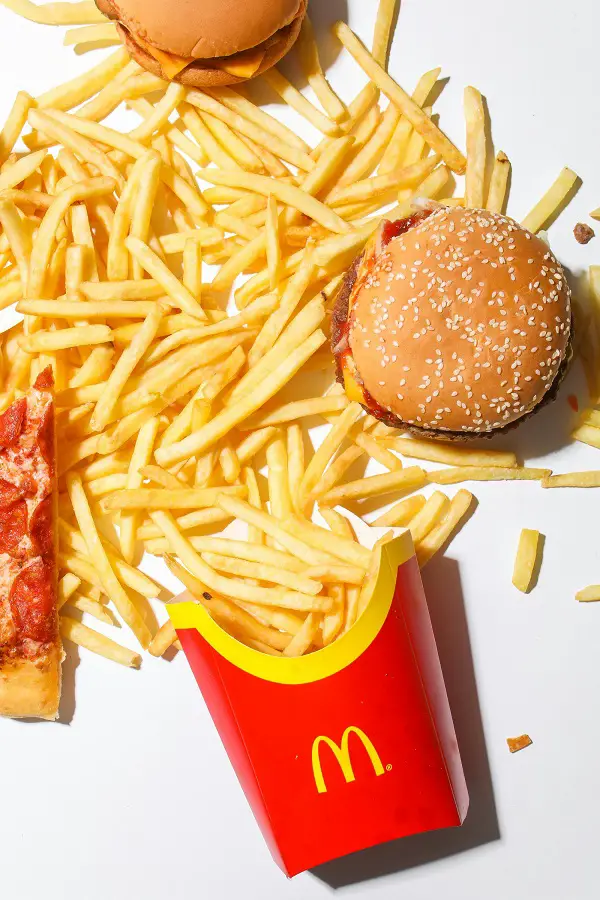
Weaknesses
McDonald’s faces several internal limitations that can hinder agility and erode brand equity. These weaknesses center on operational consistency, brand perception, and cost structures across a vast, franchise-led network. Addressing them is essential to sustain growth and protect margins in a competitive fast-food landscape.
Perceived Unhealthiness and Nutrition Concerns
The brand’s core menu relies heavily on beef, fried items, and high-calorie combinations, reinforcing a perception of unhealthy eating. Even with salads, apple slices, and reformulations, consumer sentiment often lags behind incremental improvements and ingredient transparency updates.
This perception complicates marketing to health-conscious demographics and younger consumers focused on wellness. Limited traction of plant-based pilots in the U.S. underscores the challenge of aligning indulgence with nutrition without diluting the core value proposition.
Operational Complexity and Service Speed Pressures
Menu breadth, customization, and peak-hour surges increase kitchen complexity, which can slow service times. Process changes tied to initiatives like burger upgrades or equipment refreshes can temporarily disrupt throughput and training routines.
Inconsistent execution of digital orders, curbside, and drive-thru workflows introduces variability in order accuracy. Small inefficiencies at scale compound into longer queues, lower satisfaction scores, and a higher risk of missed sales during rush periods.
Franchise Model Limits on Consistency and Control
With most restaurants operated by franchisees, McDonald’s must balance brand standards with independent owner economics. Disagreements can arise over technology fees, remodel mandates, and new operating procedures that require capital or labor changes.
This structure can lead to uneven service quality, cleanliness, and speed across markets, undermining brand promises. It can also slow uniform rollout of innovations, from kitchen equipment to loyalty features, delaying full system benefits.
Labor Turnover, Wage Pressures, and Union Scrutiny
Fast-food labor is historically high turnover, creating ongoing training costs and experience gaps in restaurants. Rising minimum wages and new sector-specific wage standards in key states elevate labor expense and margin pressure.
Public scrutiny around working conditions and scheduling can generate reputational risk and potential legal exposure. Maintaining staffing levels for expanded operating hours, delivery, and digital fulfillment adds complexity to crew management.
Value Proposition Erosion Amid Price Increases
Inflation-driven price increases have strained the brand’s value positioning, especially for price-sensitive guests. Social sentiment spikes around price hikes risk diminishing traffic and check growth elasticity in mature markets.
Rebuilding compelling entry-level price points without sacrificing profitability is challenging in a high-cost environment. If perceived value slips versus competitors and convenience stores, the brand risks losing low-frequency or lapsed users.
Opportunities
McDonald’s can leverage its scale, digital ecosystem, and brand recognition to unlock new growth avenues. External trends in convenience, personalization, and global expansion support multi-year upside. Strategic execution can convert momentum into durable share gains and stronger unit economics.
Accelerated Global Unit Expansion
The company has outlined its largest new-restaurant development plan in decades, targeting faster growth in key international markets. High-traffic urban areas and underpenetrated cities present whitespace for modern formats and localized menus.
Strong brand awareness lowers customer acquisition costs and speeds ramp-up of new units. Concentrated expansion in markets like Asia and the Middle East can diversify revenue and smooth economic cycles.
Digital Loyalty and Personalization at Scale
Rapidly growing loyalty membership across top markets enables targeted offers and frequency-driving campaigns. App-based ordering, stored payment, and suggested add-ons can increase check size while improving convenience.
Richer first-party data allows more precise daypart activation, from breakfast re-engagement to late-night. Personalization engines can optimize bundles by cohort, elevating lifetime value and marketing efficiency across channels.
Menu Innovation in Chicken, Beverages, and Value Platforms
Consumer demand for premium chicken, spicy flavors, and craveable snacks supports margin-accretive innovation. Expanding cold beverages, coffee, and limited-time items can lift traffic without overwhelming kitchens.
Refreshing value bundles and entry-price options can reclaim price-sensitive occasions. Rotating regional items and co-branded collaborations keep the menu newsworthy, strengthening cultural relevance and social buzz.
Delivery, Drive-Thru, and Small-Format Expansion
Further integration with aggregators and improved delivery packaging can grow off-premise sales. Streamlined kitchens, dual-lane drive-thrus, and pickup shelving reduce friction and bolster throughput.
Compact, digitally led formats can penetrate dense urban areas and nontraditional sites at lower capital. Optimizing service modes by trade area unlocks incremental occasions, from office pickups to suburban family orders.
Sustainability and Supply Chain Transformation
Investments in renewable energy, efficient equipment, and sustainable packaging can reduce costs and emissions. Advancing responsible beef sourcing and waste reduction aligns with evolving regulations and consumer expectations.
Credible progress and transparent reporting can enhance employer brand appeal and customer trust. Differentiation on ESG can support premium perception, partnerships, and resilience against policy shifts across regions.
Threats
McDonald’s operates in a fast moving external environment where economic, regulatory, and competitive forces can shift quickly. While its scale offers resilience, the brand faces mounting headwinds that can pressure traffic, margins, and brand relevance. Anticipating these threats is essential to protect global momentum.
Intensifying value competition across QSR and retail foodservice
Price sensitive consumers are trading across formats, pitting McDonald’s not only against quick service peers but also convenience stores, dollar channels, and grocers’ prepared foods. Rivals continue to sharpen entry price points, limited time offers, and bundles that undercut perceived value. Prolonged discounting can compress category margins, normalize lower price expectations, and erode average check while raising the cost of customer acquisition.
Retailers now cross merchandise meal solutions alongside weekly shops, capturing incremental occasions that once belonged to QSR. Private label advancements and commissary prepared meals are improving quality and consistency, narrowing differentiation. As value wars intensify, McDonald’s must defend traffic without overreliance on deep promotions that dilute brand equity or train guests to wait for deals.
Expanding regulatory pressure on labor, nutrition, and data privacy
Minimum wage hikes, joint employer standards, predictive scheduling rules, and benefits mandates are advancing across major markets. These policies increase labor costs and scheduling complexity for franchisees and company operated restaurants. At the same time, stricter labeling, children’s marketing rules, and HFSS advertising restrictions tighten how and where the brand promotes core menu items.
Data privacy regimes continue to expand in the United States and globally, raising compliance costs for loyalty, delivery, and app analytics. Consent management and cross border data transfer limits can hinder personalization and measurement. Noncompliance risks fines and reputational damage, while rapid regulatory change elevates legal uncertainty and slows experimentation.
Commodity, energy, and logistics volatility driven by climate and shocks
Protein, dairy, vegetable oils, grains, and packaging remain exposed to climate variability, animal disease outbreaks, and geopolitical disruptions. Droughts, floods, and heat waves reduce yields and strain suppliers, while sudden energy price spikes ripple through freight and utilities. These swings can outpace menu pricing power, creating timing gaps that squeeze restaurant margins.
Global shipping constraints and port congestion periodically lift costs and extend lead times, challenging inventory planning for system wide campaigns. Single source ingredients and regional specialization elevate concentration risk during disruptions. Even with hedging and long term contracts, prolonged volatility can force reformulations, menu adjustments, or postponed promotions, affecting guest satisfaction and sales cadence.
Evolving consumer health trends and scrutiny of ultra processed foods
Consumer interest in balanced nutrition, cleaner labels, and portion awareness continues to grow across demographics. Rising adoption of GLP 1 medications may shift calorie intake patterns and reduce indulgent occasions for some users. Media and academic scrutiny of ultra processed foods shapes perceptions, potentially dampening frequency among health conscious segments.
Shifts can be uneven by market, complicating global menu standardization and marketing. Sudden swings in demand for plant forward or higher protein options can strain supply and operations. If McDonald’s is slower than competitors to reframe choice, transparency, and nutrition claims, it risks ceding ground to brands positioned as fresher, minimally processed, or functional.
Geopolitical instability and currency swings across global markets
Conflict, sanctions, and policy shifts can disrupt operations, supply chains, and consumer sentiment in key regions. Temporary closures, restrictions on remittances, and capital controls complicate franchisee liquidity and cross border procurement. Tourism volatility also affects urban and travel hubs that rely on commuter and visitor traffic.
Currency fluctuations translate international sales into weaker reported results and can widen gaps between local pricing and dollar reported costs. Hedging mitigates but does not eliminate earnings variability, especially when volatility persists. Prolonged instability may delay investment, remodels, or new unit development, slowing market share gains and strategic initiatives.
Challenges and Risks
Beyond external pressures, McDonald’s faces operational and strategic hurdles that influence day to day performance and long term resilience. Addressing these internal risks is critical to protecting consistency, profitability, and growth across markets.
Franchisee alignment, capital demands, and profitability dispersion
Rolling out kitchen upgrades, digital infrastructure, and restaurant reimaging requires meaningful franchisee capital at a time of rising interest costs. Unit level returns can vary widely by market density, labor costs, and delivery mix, creating tension around pace and scope of investments. Misalignment risks slower execution of system priorities and uneven guest experiences.
Negotiating incentive structures and co funding models is complex across thousands of operators. If remodels and technology programs do not translate into clear sales or efficiency uplifts, franchisee confidence may wane. Delays compound as older assets fall behind consumer expectations, widening performance gaps and lifting maintenance needs.
Labor recruitment, retention, and training consistency
Tight labor markets and higher wage floors pressure staffing levels and crew stability, particularly in peak hours. Turnover drives training costs and service variability, with knock on effects for order accuracy and speed. Safety, scheduling flexibility, and career pathways remain crucial differentiators to attract and keep talent.
New equipment, digital order flows, and evolving food safety protocols increase training requirements. Inconsistent onboarding or insufficient coaching can reduce utilization of tools that improve throughput. When restaurants struggle to staff fully, guest satisfaction suffers and marketing investments yield less than expected returns.
Menu breadth, kitchen complexity, and service speed
Balancing variety with simplicity is a persistent challenge as innovation competes for limited kitchen space and prep time. Each new item adds steps, inventory, and potential bottlenecks that threaten drive thru times and accuracy. Over time, complexity taxes crews and undermines the brand’s promise of fast, consistent service.
Operational drag grows as digital customization increases modification rates. Without disciplined stage gating and rigorous ops testing, localized launches can strain workflows and reduce throughput. If rivals deliver comparable variety with faster speed or clearer trade offs, McDonald’s risks losing convenience driven occasions.
Digital ecosystem fragmentation and data governance
Variation in point of sale systems, delivery integrations, and loyalty platforms across markets complicates global feature parity. Legacy stacks hinder rapid deployment of personalization, dynamic offers, and AI assisted operations. Fragmentation also inflates maintenance costs and limits learnings transfer at scale.
Data quality, consent management, and identity resolution are foundational for profitable personalization. Gaps can produce offer waste, promo overspend, and weak targeting that erodes margin. Heightened privacy expectations and evolving laws raise the stakes for governance, incident response, and vendor oversight.
Brand reputation management and incident response
In a social media environment, isolated food safety issues, service missteps, or franchisee controversies can escalate quickly. Viral attention can depress traffic locally and spark scrutiny across markets. Recovery requires speed, transparency, and consistent corrective action that aligns global standards with local norms.
Campaigns or partnerships perceived as tone deaf can trigger backlash and distract from core value messaging. Fragmented responses across operators amplify confusion and slow trust rebuilds. Without robust monitoring and playbooks, reputational shocks linger longer and raise marketing efficiency costs.
Strategic Recommendations
To sustain momentum, McDonald’s should align pricing, operations, and digital execution to defend value while improving efficiency. A balanced playbook can mitigate external shocks and strengthen unit economics system wide. The following priorities tie directly to the identified threats, challenges, and risks.
Strengthen value architecture with disciplined, data led pricing
Build a clear value ladder by daypart and occasion, anchoring sharp entry price points without over subsidizing premium items. Use elasticity models and competitive intelligence to localize bundles, alternating breadth and depth to limit promo fatigue. Protect margins with guardrails on discount depth and targeted offers that favor higher lifetime value segments.
Enhance price communication through menu engineering and digital merchandising that highlights trade up pathways. Test limited geographies with rapid read formats before scaling nationally. Pair pricing moves with portion and format innovation so guests perceive choice and control, sustaining value equity even as input costs fluctuate.
Simplify operations and scale smart automation
Institutionalize a one in, one out discipline for menu items, with operations scoring equal to guest appeal in stage gates. Standardize kitchen layouts and prep flows around proven high velocity builds to improve drive thru times and accuracy. Expand predictive tools for prep and staffing to smooth peaks and reduce waste.
Pilot automation where the business case is strongest, such as beverage, fry, or computer vision QA, with crew centric change management. Use digital training modules and micro certifications to speed proficiency on new equipment. Measure throughput, order accuracy, and crew satisfaction together to validate that technology improves both guest experience and labor productivity.
Maximize loyalty driven growth and improve delivery economics
Deepen personalization through better identity resolution, clean rooms, and experimentation frameworks that optimize offer progressions. Prioritize offers that shift guests to higher margin options, repeat breakfast visits, and mobile order and pay pickup. Tighten promo controls to reduce leakage and align funding with demonstrated incremental lift.
Improve delivery unit economics by rebalancing channel mix and renegotiating commissions tied to operational KPIs. Incentivize first party ordering and curbside or pickup with time bound perks to lower fulfillment costs. Use dynamic menu availability and kitchen capacity signals to protect in store service speed during spikes.
Build resilient, low carbon supply chains and proactive risk controls
Diversify sourcing across regions and suppliers, expand dual specifications, and increase safety stock for critical items ahead of seasonal risk windows. Layer hedging with scenario based pricing triggers to reduce timing gaps. Invest in renewable energy, efficient HVAC, and lower impact packaging to reduce volatility exposure and meet evolving regulations.
Strengthen enterprise risk management with cross functional war games for supply disruption, cyber incidents, and reputational events. Align crisis communications templates with franchisee playbooks to ensure rapid, consistent responses. Tie capital incentives to resilience metrics so upgrades that improve continuity and sustainability are prioritized across the system.
Competitor Comparison
McDonald’s operates in a crowded quick service landscape where brand recognition, price perception, and speed define the battle lines. Direct rivals press on value, craveable flavors, and digital convenience while niche players compete on quality, novelty, and locality.
Brief comparison with direct competitors
Burger King and Wendy’s contest core burger occasions with flame-grilled positioning and fresh-prep messaging, often leaning into limited-time offers and bold flavor. Taco Bell, KFC, and Popeyes diversify the competitive set by owning distinctive cuisines that capture late-night, family sharing, and indulgence moments.
Regional and premium fast casual brands like Shake Shack, Five Guys, and In-N-Out challenge on perceived quality and ingredient cues. Meanwhile, Starbucks and convenience retailers increasingly compete for breakfast, beverages, and snacking, chipping away at dayparts where McDonald’s seeks habitual visits.
Key differences in strategy, marketing, pricing, innovation
McDonald’s scale enables consistent pricing architecture anchored by value platforms, while still supporting premium trade-up items. Many competitors rely more heavily on deep discounts or frequent promotions, which can drive traffic spikes but risk margin volatility and brand dilution.
On marketing, McDonald’s leans into universal brand assets, iconic menu equity, and culturally relevant collaborations to refresh salience. Competitors often concentrate on product-centric storytelling, spice-driven novelties, and persona-led campaigns to differentiate within narrower audience segments.
How McDonald’s’s strengths shape its position
Operational excellence and supply chain integration allow McDonald’s to deliver speed, consistency, and high unit throughput at global scale. That strength supports reliable service during peak periods, sustaining customer trust even as product innovation cycles intensify across the category.
Digital leadership with a widely adopted app, loyalty program, and drive-thru optimization compounds traffic and ticket gains. Combined with real estate advantages and franchising discipline, these strengths give McDonald’s resilience in value wars and flexibility to test and scale winning ideas quickly.
Future Outlook for McDonald’s
McDonald’s is positioned to extend leadership through digital engagement, menu relevance, and operational productivity. The near-term outlook hinges on balancing value with margins as costs, competition, and consumer preferences continue to shift.
Digital growth and customer experience
Further penetration of mobile ordering, personalized offers, and loyalty can raise frequency and average check while improving guest satisfaction. Continued investments in drive-thru throughput, order accuracy, and delivery integration should help retain convenience leadership.
Data-driven merchandising will tighten offer targeting by daypart, cohort, and basket context to reduce discount leakage. As adoption grows, the brand can use dynamic value to match local competitive pressure without broad price erosion.
Menu evolution and operational efficiency
Smart menu innovation will likely balance core item optimization with periodic news that drives trial, such as limited-time flavors and regional favorites. Simplification that reduces complexity can protect speed and consistency while sustaining perceived variety.
Back-of-house upgrades, kitchen flow redesign, and equipment standardization can improve labor productivity and order time. These gains create headroom to reinvest in food quality, packaging, and restaurant ambiance without sacrificing unit economics.
Sustainability, regulation, and global expansion
Progress on packaging, animal welfare, and carbon reduction will influence brand preference and license to operate. Transparent milestones and supplier collaboration can mitigate risk and align with rising stakeholder expectations.
International markets remain a growth engine, particularly where middle-class expansion and urbanization favor quick service. Localized menu adaptation, value ladders, and disciplined site selection will be critical to sustain comp growth while protecting returns.
Conclusion
McDonald’s continues to differentiate through scale, operational rigor, and digital ecosystems that amplify value and convenience. Competitors compete hard on flavor innovation, price tactics, and niche positioning, but few can match the brand’s execution consistency. The combination of iconic equity and data-enabled marketing underpins durable traffic and margin resilience.
Looking ahead, gains will depend on balancing everyday affordability with selective premiumization, while simplifying operations to protect speed. Digital personalization, international expansion, and credible sustainability progress should unlock incremental demand. With disciplined innovation and local agility, McDonald’s can extend category leadership despite evolving consumer and cost pressures.
