
Starbucks transformed a single Seattle storefront into one of the most recognizable consumer brands in the world. Founded in 1971 at Pike Place Market, the company helped popularize specialty coffee in the United States, then scaled globally under Howard Schultz’s espresso bar vision. Today it operates more than 35,000 locations, shaping how millions buy and enjoy coffee every day.
Starbucks targets urban professionals, students, and commuters who value consistent quality, convenience, and a comfortable place to meet or work. Its third place positioning, premium yet accessible pricing, and dense store network make it a default choice in many neighborhoods. Strong brand recognition and dependable standards keep customers returning at all hours.
The brand pairs a broad, customizable menu with digital tools that remove friction from the visit. Mobile Order & Pay, a robust loyalty program, and reliable Wi‑Fi deepen engagement, while seasonal beverages spark cultural moments that extend far beyond the cup. Ethical sourcing programs and barista craft add credibility that competitors must match.
You may also find these guides helpful:
1. Starbucks Marketing Strategy
2. Starbucks Marketing Mix
3. Starbucks SWOT Analysis
4. Starbucks Business Model
5. Starbucks Branding Strategy
Key Criteria for Evaluating Starbucks Competitors
Comparing Starbucks to other coffee chains requires more than checking who pulls a solid espresso shot. Customers weigh convenience, value, and brand trust alongside taste and customization. The criteria below help evaluate alternatives in a consistent, practical way.
- Beverage quality and consistency: beans, roast profiles, and barista execution across locations. Reliable taste, temperature, and texture matter to daily buyers.
- Price and value: menu pricing relative to portion size, ingredients, and service speed. Loyalty benefits or bundles that lower the effective cost can tip the decision.
- Menu breadth and customization: range of espresso, cold coffee, tea, refreshers, and food. Depth of customization, including syrups, milk alternatives, and sugar-free options, expands appeal.
- Convenience and footprint: store density in target neighborhoods, drive-thru availability, and operating hours. Manageable lines and predictable wait times during peaks are essential.
- Digital ecosystem and loyalty: mobile order accuracy, delivery partnerships, and contactless payment. Personalization plus clear rewards earning and redemption improve stickiness.
- Service and hospitality: barista training, order accuracy, and proactive issue resolution. Friendliness and speed at the handoff counter influence repeat visits.
- Brand trust and ethics: commitments to ethical sourcing, environmental goals, and worker welfare. Transparent communication and data privacy build long-term loyalty.
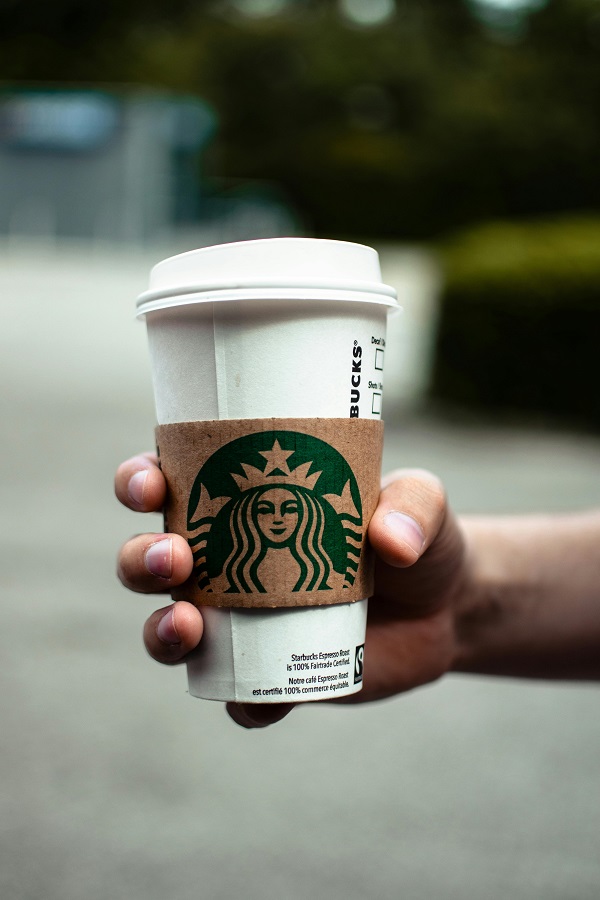
Top 12 Starbucks Competitors and Alternatives
Dunkin’
Popular with commuters and value seekers, Dunkin‘ blends speed with a broad coffee and breakfast lineup. The brand has a massive footprint, especially on the U.S. East Coast, and a growing international presence. Its beverage-first strategy and loyalty program keep frequent coffee drinkers engaged.
- Strengths include fast drive-thru service, sharp price points, and all day breakfast options. The menu spans hot and iced coffee, espresso, cold brew, donuts, and breakfast sandwiches.
- Market presence is extensive in the United States with thousands of units, plus meaningful growth in select global markets. Consistency and quick service make it a daily habit for many guests.
- Consumers consider Dunkin’ a Starbucks alternative thanks to comparable iced and espresso beverages, high customization, and frequent promotions. Large cup sizes and seasonal flavors appeal to value oriented customers.
- Dunkin’ Rewards offers targeted deals and points based redemption, which encourages repeat visits. Mobile ordering and curbside pickup improve convenience for busy users.
- Operational efficiency is a core differentiator, so the brand can serve morning rushes with speed. Partnerships for at home coffee, including K cups and bagged beans, extend the experience beyond the cafe.
McCafé
As the coffee platform within McDonald’s, McCafé leverages one of the largest restaurant footprints on the planet. The proposition is simple, reliable espresso and brewed coffee at very accessible prices. Availability throughout the day makes it an easy add on to meals.
- Key strengths are affordability, consistency, and near universal convenience. Guests can find espresso drinks, brewed coffee, iced coffee, and pastries in most restaurants.
- Global market presence rivals any brand, which means tourists and commuters can rely on familiar recipes. Many locations offer drive thru and extended hours, supporting breakfast and late night occasions.
- Consumers view McCafé as a Starbucks alternative for everyday caffeine at lower prices. The experience is streamlined, so ordering is quick and predictable.
- Differentiators include bundling coffee with value meals and breakfast combos. McDelivery integrates with major apps, adding on demand convenience.
- Retail products under the McCafé label let fans brew at home. Consistent bean blends and training standards support a uniform taste profile across markets.
Costa Coffee
Leading the UK high street, Costa Coffee delivers an approachable European style espresso experience. Owned by The Coca Cola Company, it has expanded across Europe, the Middle East, and Asia. The brand balances staffed cafes with a large network of Costa Express self serve machines.
- Strengths include barista led espresso, popular flat whites and cappuccinos, and extensive seasonal drinks. Fresh bakes and sandwiches support snack and lunch visits.
- Costa’s market presence spans thousands of cafes and automated Costa Express units in transit hubs and workplaces. This hybrid model increases availability in places where traditional cafes are not feasible.
- Consumers consider Costa an alternative to Starbucks for comparable espresso quality and comfortable seating. In many UK cities, Costa locations are as ubiquitous as Starbucks.
- Differentiators include Costa Express machines that serve a full espresso menu with fresh beans and milk. Loyalty via the Costa app drives personalized offers and rewards.
- Innovation focuses on dairy alternatives, plant based options, and ready to drink coffees. Consistent store design and friendly service reinforce everyday reliability.
Tim Hortons
A cultural staple in Canada, Tim Hortons integrates coffee with donuts, breakfast, and community centric branding. The chain has expanded in the U.S., the Middle East, and parts of Asia. Its everyday value and familiar flavors keep lines steady across dayparts.
- Strengths include brewed coffee, iced caps, breakfast sandwiches, and baked goods at accessible prices. The menu is optimized for speed, which suits drive thru heavy markets.
- Market presence dominates Canada, with a growing international footprint through franchising. Strong brand affinity and local sponsorships create loyal customer bases.
- Consumers see Tim Hortons as a Starbucks alternative for simpler coffee, better value, and quick service. The atmosphere is casual, making it a neighborhood stop for families and workers.
- Tims Rewards offers straightforward points and frequent beverage deals. The mobile app streamlines reordering and contactless payment.
- Differentiators include hockey rooted community ties and a focus on comfort foods. Co located stores with ample drive thrus serve morning peaks efficiently.
Peet’s Coffee
Peet’s is a specialty coffee pioneer known for dark roasts and meticulous sourcing. The brand operates cafes primarily in the U.S. West and sells widely through grocery, direct to consumer, and offices. Coffee enthusiasts value its single origin offerings and small batch freshness.
- Strengths center on high quality beans, expert roasting, and barista crafted espresso. The menu highlights pour over, nitro cold brew, and seasonal blends alongside pastries and light bites.
- Market presence combines a selective cafe footprint with strong retail distribution. Subscriptions and limited releases keep aficionados engaged year round.
- Consumers choose Peet’s as a Starbucks alternative for deeper roast profiles and a more craft forward experience. Educational content and knowledgeable staff appeal to purists.
- Differentiators include signature blends like Major Dickason’s and a reputation for freshness. The brand offers K cups, capsules, and whole bean options for home brewing.
- Sustainability and responsible sourcing are emphasized through long term grower relationships. Loyalty through Peetnik Rewards provides targeted perks without clutter.
Caribou Coffee
Caribou Coffee brings a cozy, Northwoods inspired cafe vibe to the specialty segment. The chain emphasizes real ingredients, handcrafted beverages, and sustainability certifications. Its mix of traditional cafes and drive thru focused cabins supports convenience and ambiance.
- Strengths include mochas made with real chocolate, flavored lattes, and a strong cold beverage lineup. Breakfast sandwiches, bakery items, and light lunches round out the menu.
- Caribou’s market presence is concentrated in the Upper Midwest of the United States, with growing national and international franchising. The brand is part of a larger global coffee portfolio, which supports scale and innovation.
- Consumers consider Caribou a Starbucks alternative for friendly service and a comfortable third place feel. Seasonal drinks and limited time bakery items keep the experience fresh.
- Differentiators include a commitment to Rainforest Alliance certified beans and cage free egg usage. The drive thru cabin format offers speed without losing brand character.
- Caribou Perks provides birthday rewards, challenges, and order ahead functionality. Catering and traveler boxes make it a practical option for meetings and events.
Dutch Bros Coffee
Built around drive thru energy and youth culture, Dutch Bros serves highly customizable cold beverages. The brand is expanding quickly across the Western and Southern United States. Friendly operators and a fun menu keep lines moving and guests engaged.
- Strengths focus on speed, personalization, and an expansive iced lineup. Alongside coffee, the Blue Rebel energy drinks, lemonades, and smoothies attract non coffee drinkers.
- Market presence is densest on the West Coast, with aggressive new unit openings in growth markets. Small footprint shops and streamlined equipment support rapid throughput.
- Consumers consider Dutch Bros an alternative to Starbucks for creative flavors and a drive thru first model. The experience skews social and upbeat, which resonates with younger audiences.
- Differentiators include a deep flavor system, secret menu style builds, and enthusiastic crew interactions. Limited time drinks and color themed promos drive repeat visits.
- The Dutch Pass app enables rewards and mobile payment, which reduces window time. Community giving and local events foster loyalty beyond transactions.
The Coffee Bean & Tea Leaf
With Southern California roots, The Coffee Bean & Tea Leaf is celebrated for both coffee and premium tea. It popularized the Ice Blended beverage long before blended drinks became mainstream. The brand maintains a strong presence in Asia and the Middle East in addition to U.S. hubs.
- Strengths include a balanced menu of espresso, cold brew, tea lattes, and signature Ice Blended drinks. Tea selections range from classic black and green to rare single origin options.
- Market presence spans key U.S. cities and international capitals, often in malls and business districts. The brand benefits from tourists and expatriates seeking familiar recipes.
- Consumers view Coffee Bean as a Starbucks alternative when tea quality matters as much as coffee. Flavor powders and customizable sweetness levels make drinks approachable.
- Differentiators include proprietary powders and syrups that create consistent textures. Limited edition origin coffees and teas add discovery to routine visits.
- Loyalty is supported through the app with order ahead and targeted rewards. At home products, including capsules and packaged teas, extend brand reach.
Pret A Manger
Pret leads in fresh, ready to eat food with barista made coffee as a core complement. Its shops are fixtures near offices, transit, and high streets in the UK, Europe, and the U.S. The focus on quality ingredients and quick service suits urban routines.
- Strengths include organic coffee in many markets, espresso based beverages, and a strong bakery case. Sandwiches, salads, and hot pots make it a true meal destination.
- Market presence is concentrated in dense city centers with high foot traffic. Rapid service and clear merchandising keep lines moving during peak hours.
- Consumers pick Pret as a Starbucks alternative when they want premium coffee plus better food. The environment supports quick dine in, takeaway, and catering.
- Differentiators include a coffee subscription in select markets that rewards frequent sippers. Daily kitchen prep and donor programs reinforce a quality and community ethos.
- The Pret app offers order ahead, rewards, and exclusive menu items. Sustainability initiatives cover packaging, food waste reduction, and responsible sourcing.
Panera Bread
Panera is a bakery cafe leader that pairs barista drinks with an extensive food menu. Guests use it as a casual workspace with reliable Wi Fi and comfortable seating. Its Unlimited Sip Club subscription has created a new value proposition for frequent beverage buyers.
- Strengths span drip coffee, espresso, cold brew, and Charged Sips, plus bakery, salads, and soups. The breadth of menu attracts breakfast, lunch, and afternoon snack occasions.
- Market presence covers thousands of cafes in suburban and urban trade areas. Kiosks, app ordering, and Rapid Pick Up streamline the experience.
- Consumers consider Panera a Starbucks alternative for all day seating and food variety. Meeting friendly spaces and power outlets make it convenient for remote work.
- Differentiators include the beverage subscription that lowers per cup cost dramatically for heavy users. Nutrition transparency and clean ingredient commitments appeal to health minded guests.
- MyPanera rewards personalize offers and track visits, while catering serves office events. Delivery and drive thru at many sites expand accessibility beyond dine in.
Caffè Nero
Known for an Italian style espresso bar feel, Caffè Nero emphasizes craftsmanship and relaxed ambiance. The brand operates across the UK, Europe, the Middle East, and select U.S. cities. Interiors favor warm woods and comfortable seating that invite lingering.
- Strengths include expertly pulled espresso, milky drinks like flat whites, and a curated pastry case. Savory items and breakfast options support morning and midday trade.
- Market presence concentrates in European urban centers with neighborhood style shops. The brand cultivates loyalty through consistency and approachable pricing.
- Consumers see Caffè Nero as a Starbucks alternative for a more European cafe vibe. Background music, art, and layout create a quiet third place for reading or work.
- Differentiators include barista training that focuses on technique and flavor balance. Seasonal beans and limited time drinks provide variety without overwhelming the menu.
- The app supports loyalty stamps, offers, and order ahead in select markets. Partnerships for at home coffee expand touchpoints beyond the cafe.
Krispy Kreme
While famous for hot glazed doughnuts, Krispy Kreme has steadily built a complementary coffee program. Guests can pair espresso drinks or brewed coffee with iconic sweets. The brand uses shops, fresh daily shelves, and drive thrus to reach customers.
- Strengths include brewed coffee, lattes, and iced beverages designed to pair with doughnuts. Seasonal flavors often mirror limited time doughnut assortments for a cohesive treat.
- Market presence is global, with a mix of factory stores, smaller shops, and delivered fresh daily cabinets at retail. This multi channel model boosts availability beyond cafe walls.
- Consumers consider Krispy Kreme a Starbucks alternative for quick coffee and a sweet snack. Price points are competitive, especially on classic brewed coffee.
- Differentiators include the Hot Light theater experience that drives impulse visits. Co branded retail coffee and K cups allow fans to recreate the taste at home.
- Loyalty programs and app exclusives promote repeat purchases and early access to new flavors. Catering boxes and office deliveries make it a convenient option for groups.
Top 3 Best Alternatives to Starbucks
Dunkin’
Dunkin’ stands out for speed, value, and a massive U.S. footprint that makes it easy to find. Its menu emphasizes iced coffee, flavored lattes, and cold brew, paired with donuts and breakfast sandwiches. If you want a quick caffeine fix with plenty of sweet or classic options, Dunkin’ delivers.
Key advantages include generally lower prices, frequent promotions, and fast drive thru service in many markets. The Dunkin’ Rewards app supports mobile ordering, points, and personalized offers. Customization is simple, and seasonal flavors arrive often.
This brand suits commuters, budget minded coffee drinkers, and anyone prioritizing speed over ambiance. It is ideal for people who value consistency and crave breakfast with their coffee. If you live near suburban corridors, you will likely find Dunkin’ the most convenient.
McCafé
McCafé stands out due to unmatched global availability and long hours, often where dedicated coffee shops are scarce. Quality has improved steadily, covering espresso drinks, blended beverages, and bakery staples. You can reliably pair coffee with full meals, which simplifies busy days.
Key advantages include affordability, widespread drive thru access, and integration with the MyMcDonald’s Rewards app. Mobile ordering and regular deals keep costs predictable. Service is fast, and the menu is familiar for casual coffee drinkers.
McCafé suits travelers, families, and value seekers who want convenience first. It is a practical choice for rural or suburban areas that lack specialty cafés. If you need reliable coffee during commutes or road trips, McCafé is hard to beat.
Costa Coffee
Costa Coffee stands out as the leading coffee chain in the UK, with strong presence across Europe. It emphasizes barista led espresso, comfortable seating, and a balanced menu of food and drinks. Costa Express machines extend access in transit hubs and offices.
Key advantages include consistent espresso quality, plant based milk options, and a solid selection of pastries and lunches. The Costa Club rewards program adds value for frequent visits. Stores generally offer Wi Fi and a relaxed environment for longer stays.
Costa suits espresso forward drinkers, remote workers, and students who want a sit down experience. It is especially strong for users in the UK and major European cities. If you value a calm setting with dependable espresso, Costa is a strong pick.
Final Thoughts
There are many strong Starbucks alternatives, each excelling in different areas like price, speed, or sit down comfort. Whether you prioritize an extensive espresso menu, value deals, or all day availability, you can find a great fit. The key is matching your daily routine and taste preferences to the right brand.
Commuters may lean toward fast, budget friendly chains, while remote workers may prefer a quieter café with reliable Wi Fi. Travelers and families often benefit from brands with broad footprints and predictable service. Define your priorities first, then choose the alternative that consistently supports your lifestyle and coffee goals.
