
Starbucks is the world’s most recognizable coffeehouse brand, turning daily coffee rituals into an elevated, consistent experience at scale across cities, campuses, and travel hubs. Across tens of thousands of stores and a powerful digital ecosystem, it blends barista craft, store design, and technology to meet changing tastes and moments. The Marketing Mix framework offers a clear lens to understand how these choices create value, differentiate the brand, and drive profitable growth across markets.
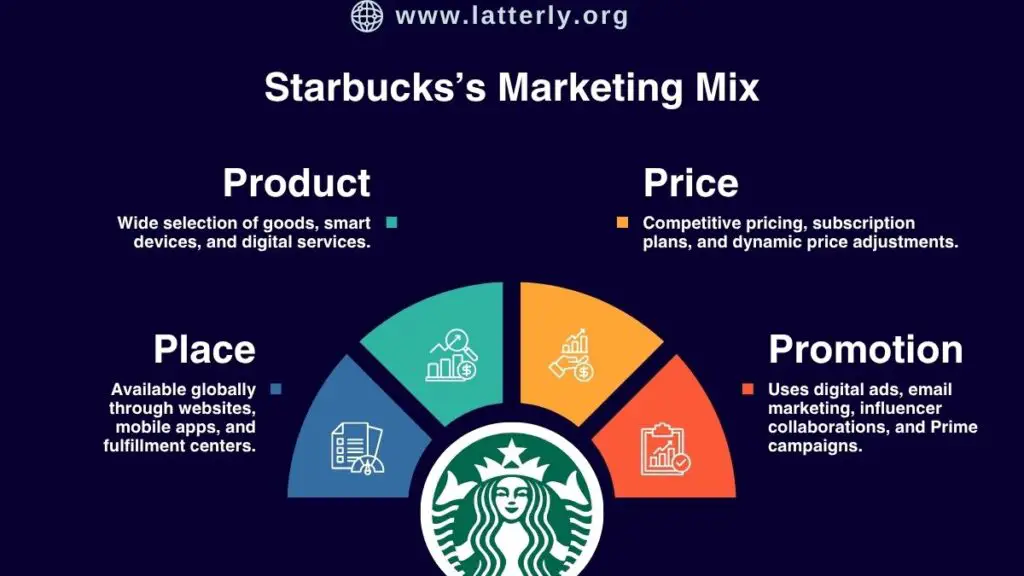
Within that framework, Product sits at the core, shaping customer perception before price, place, or promotion are felt at the counter or in the app. Starbucks uses product strategy to translate consumer trends into repeatable menu moments, from seasonal icons to premium small-lot coffees and plant-based innovations. Examining this pillar reveals how Starbucks aligns innovation, operations, and brand storytelling to sustain relevance and loyalty.
You may also find these guides helpful:
1. Starbucks Marketing Strategy
2. Starbucks Branding Strategy
3. Starbucks SWOT Analysis
4. Starbucks Business Model
5. Starbucks Competitors
Company Overview
Founded in 1971 at Seattle’s Pike Place Market, Starbucks evolved from a retailer of whole-bean coffee into a global coffeehouse under a third place vision that blends community and comfort. Its core business centers on handcrafted beverages, complemented by bakery and warm food, merchandise, and an expanding at-home portfolio that includes whole bean, ready-to-drink, K-Cup, and capsule formats. With a footprint spanning more than 80 markets and tens of thousands of stores, Starbucks combines physical formats, drive-thru and pickup concepts, and digital channels to deliver a consistent, premium experience.

The company’s growth engine is beverage-led, with espresso, cold beverages, tea, and refreshment platforms supported by proprietary syrups, dairy and nondairy options, and purpose-built equipment. Starbucks also participates in consumer packaged goods through global alliances that extend the brand into grocery, e-commerce, and foodservice, reinforcing awareness between café visits. Strong brand equity, a scaled supply chain, and one of the largest loyalty programs in foodservice underpin leadership in the United States and a fast-growing presence in China and other key markets.
Product Strategy
Product defines how Starbucks turns its brand promise into a repeatable, craveable experience. The company balances innovation cadence with operational feasibility to keep excitement high and execution reliable. The strategies below show how demand is created while protecting throughput and quality.
Beverage Innovation and Seasonal Limited-Time Offers
Starbucks sustains momentum with a steady cadence of limited-time beverages and fan-favorite returns anchored by Pumpkin Spice and holiday classics. These launches create cultural moments, encourage social sharing, and steer mix toward higher-margin modifiers such as cold foam and flavored syrups. Behind the scenes, modular ingredients and barista playbooks let new items fit existing routines without compromising speed or consistency.
Customization at Scale Through Menu and Mobile
Customization is a core product promise, enabled by a wide array of roasts, milks, syrups, cold foams, and formats. The app amplifies this by saving favorites, surfacing personalized suggestions, and simplifying complex builds that increase attachment of add-ons. Standardized recipes, training, and equipment help baristas deliver bespoke drinks at scale while maintaining quality and predictable wait times.
Cold Beverage Leadership and Equipment Investment
Consumer demand has shifted toward cold beverages, and Starbucks has leaned in with Refreshers, cold brew, nitro, and flavored cold foam. Purpose-built stations, upgraded ice and blending equipment, and streamlined ingredient layouts speed assembly and protect texture and presentation. This focus unlocks year-round relevance, supports premium price tiers, and differentiates the brand in a crowded on-the-go beverage market.
Premiumization via Starbucks Reserve and Craft Brewing
At the top end, Starbucks Reserve showcases small-lot arabica, single-origin storytelling, and theater through Roasteries and Reserve bars. Craft methods like Clover, pour over, and tasting flights elevate coffee credibility while influencing flavor exploration across the broader menu. The halo supports selective premium pricing, fuels limited runs that engage enthusiasts, and informs improvements in core stores and packaged coffee.
At-Home and Ready-to-Drink Product Expansion
Through global alliances, Starbucks extends its portfolio into packaged coffee, capsules, and ready-to-drink beverages sold across retail channels. Consistent flavor profiles and recognizable branding connect the in-store experience to kitchens and convenience coolers, reinforcing familiarity and trial. The at-home range broadens occasions, builds brand salience between café visits, and captures incremental revenue with capital-light formats and diversified margins.
Price Strategy
Starbucks prices around the value of its brand experience while protecting accessibility for everyday routines. The company blends premium positioning with data driven adjustments by market, channel, and time. Personalization through its digital ecosystem fine tunes incentives without broadly discounting the core proposition.
Value Based Premium Pricing
Starbucks anchors pricing to perceived value created by store ambiance, beverage customization, ethically sourced coffee, and consistent quality. Customers pay for convenience and the third place experience, not just ingredients. This supports higher average checks than mass competitors while reinforcing brand equity that withstands moderate increases when costs rise or innovation justifies a premium.
Localized and Channel Specific Price Bands
Prices vary by city, neighborhood, and store type to reflect local labor, occupancy, and tax environments as well as competitive intensity. Licensed venues such as airports and colleges often carry higher ticket prices to match captive demand and higher operating costs. Delivery channels typically include markups and platform fees that preserve margin while meeting at home convenience expectations.
Personalized Offers through Starbucks Rewards
With tens of millions of active U.S. members and a majority of tender flowing through the program, Starbucks uses individualized offers to shape demand. Bonus Stars, daypart challenges, and cross category incentives increase visit frequency and mix without list price cuts. This yield management approach concentrates value on members most responsive to targeted promotions.
Limited Time, Bundled, and Size Ladder Pricing
Seasonal innovations like Pumpkin Spice Latte and holiday beverages are priced at slight premiums that customers accept for novelty and scarcity. Breakfast bundles and beverage plus bakery pairings deliver perceived savings while lifting attachment. The size ladder nudges trade ups with modest step increments, improving unit economics without eroding entry level value items.
Cost Management and Hedging Driven Adjustments
Starbucks phases price changes to offset green coffee, dairy, packaging, and wage inflation, aided by commodity hedging and productivity gains. The company communicates selectively, favoring small, surgical moves rather than broad shocks. Value policies like free brewed refills for Rewards members during the same visit help sustain goodwill even as costs fluctuate.
Place Strategy
Starbucks executes an omnichannel distribution model that blends physical stores, digital fulfillment, and consumer packaged goods. A mix of company operated and licensed locations provides scale and flexibility across geographies and venues. Data led site selection and format innovation keep the brand convenient in evolving traffic patterns.

Hybrid Company Operated and Licensed Footprint
Starbucks directly operates stores in core markets while partnering with licensees in venues like airports, grocery, universities, and international territories. This hybrid model accelerates expansion and adapts to local regulations and consumer habits. Licensed partners leverage Starbucks standards and training to maintain consistency while optimizing for their specific trade areas.
Format Diversification with Drive Thru and Pickup Stores
The portfolio includes traditional cafes, high throughput drive thrus, pickup only sites, and premium Starbucks Reserve stores. Drive thrus support suburban convenience and all day car traffic, while pickup formats address dense urban corridors with digital heavy demand. Reserve Roasteries and bars act as experiential flagships that showcase craft and elevate brand perception.
Digital Ordering, Pickup, and Delivery Integration
Mobile Order and Pay, curbside in select markets, and streamlined pickup areas compress wait times and increase throughput. Starbucks partners with DoorDash and Uber Eats in many markets to expand delivery coverage, using order throttling to protect beverage quality. Operational playbooks, from handoff planes to product sequencing, align staffing with real time digital demand.
CPG and At Home Coffee via Nestlé Alliance
The Global Coffee Alliance with Nestlé distributes Starbucks beans, K Cup pods, Nespresso compatible capsules, and ready to drink products in supermarkets and online. This extends reach to at home and on the go occasions well beyond cafes. Consistent packaging and flavor architecture keep brand recognition high across retail shelves worldwide.
High Traffic and Partner Location Strategy
Starbucks targets commute corridors, retail co locations, and travel hubs to capture routine and impulse occasions. Partnerships place cafes inside major retailers and grocers, complementing standalone stores. Geospatial analytics inform radius, cannibalization risk, and daypart potential, ensuring new units add incremental sales while strengthening the broader trade area network.
Supply Chain and Greener Stores Enablement
A global roasting, distribution, and cold chain network underpins product freshness and menu breadth. Regional distribution centers and vendor partnerships support rapid new product rollouts. The Greener Stores framework guides energy, water, and waste standards that lower operating costs over time while improving the sustainability profile of the physical footprint.
Promotion Strategy
Starbucks promotes through a powerful mix of loyalty, digital personalization, seasonal storytelling, and partnerships. The brand prioritizes owned channels and data informed messaging to drive profitable frequency. Cultural moments and community impact reinforce affinity beyond functional coffee needs.
Starbucks Rewards and Personalized CRM
Starbucks Rewards fuels one to one engagement through email, push notifications, and in app offers. With a large and growing active member base contributing the majority of U.S. sales, the program personalizes incentives by habits, daypart, and preferred items. Clear earn and redeem mechanics turn Stars into a currency that deepens stickiness.
Seasonal Product Storytelling and Cultural Moments
Iconic drops such as Pumpkin Spice Latte and the annual holiday menu create anticipation and sustained social conversation. Visual merchandising, collectible red cups, and themed bakery amplify the narrative in store and online. Regionally tailored seasons, from summer refreshers to Lunar New Year items, localize relevance while keeping the brand fresh.
In App Gamification and Limited Time Offers
Bonus Star challenges, Double Star Days, and time bound games motivate incremental trips and larger baskets. Gamified progress bars and personalized goals make rewards feel attainable, encouraging repeat behaviors. Limited time price or Star promotions are calibrated to protect margin while smoothing demand across days and dayparts.
Social, Influencer, and Owned Media Ecosystem
Starbucks publishes short form video, barista spotlights, and product education across TikTok, Instagram, and YouTube, amplifying user generated recipes and hacks. Always on community management keeps engagement high around launches and local happenings. Owned channels, from the app home screen to store signage, coordinate messaging for cohesive reach.
Partnerships, PR, and Community Impact Marketing
Collaborations with delivery platforms, music partners, and select brands extend reach and create novel occasions. Earned media around innovation, sustainability progress, and community store openings supports reputation. Programs promoting reusable cups, ethical sourcing, and neighborhood grants translate corporate responsibility into storylines that resonate with customers and partners.
People Strategy
Starbucks frames employees as partners, investing in skills and wellbeing to deliver consistent hospitality at scale. With hundreds of thousands of partners across more than 38,000 stores globally, the brand emphasizes training, empowerment, and culture to sustain service quality and local relevance. These people practices underpin the customer experience and protect brand equity.
Barista Training via Starbucks Coffee Academy
Starbucks builds craft and consistency through Starbucks Coffee Academy and store-level certifications. Partners learn espresso standards, milk texturing, beverage sequencing, and coffee storytelling that elevates perceived value. Training cadence increases ahead of seasonal launches to ensure confident execution of limited time offers. Managers coach to speed of service and quality metrics, reinforcing routines that translate into repeatable excellence across markets.
Partner Benefits and Engagement Programs
Comprehensive benefits support retention and service continuity, including healthcare eligibility for many hourly partners, mental health resources, and education pathways such as the Starbucks College Achievement Plan. Equity awards like Bean Stock foster ownership behavior tied to performance. Engagement is monitored via structured surveys and listening sessions, informing scheduling, recognition, and development actions that reduce turnover and protect customer relationships.
Diversity, Equity, and Inclusion Hiring
Starbucks recruits broadly and invests in inclusive training to reflect local communities and improve cultural fluency in-store. Resource groups, accessible hiring, and leadership development pipelines aim to widen representation at every level. Inclusive language and sensory-friendly considerations inform service interactions. The result is a workforce better equipped to connect authentically with diverse guests and anticipate community needs.
Customer Connection and Service Recovery Standards
Partners are coached on connection behaviors such as name usage, friendly eye contact, and beverage confirmation to reduce defects. Service recovery tactics, including instant remake authority and digital couponing where permitted, resolve issues quickly. Mystery shops and customer sentiment data guide coaching. This disciplined approach maintains high satisfaction even during peak periods, sustaining premium positioning despite operational complexity.
Digital and Drive-thru Service Skills
With mobile ordering representing roughly a third of U.S. transactions in recent years, partners train for specialized roles like order handoff, drive-thru order taking, and expediter. Clear labeling, sticker verification, and handoff zones limit errors. Time targets, headset protocols, and queue management protect throughput while preserving friendliness. Cross-training ensures coverage during spikes from promotions and weather-driven traffic.
Process Strategy
Starbucks integrates technology, standardized routines, and supply chain rigor to deliver speed and quality across varied formats. Processes are engineered to absorb customization without eroding consistency. From forecasting to handoff, each step is codified, measured, and optimized to balance customer delight with operational efficiency.
Mobile Order and Pay Orchestration
The app routes orders to stores with capacity-aware throttling that spaces pickup times and protects bar flow. Clear order stickers, shelf organization, and dedicated handoff counters reduce confusion at busy locations. Pickup-only and drive-thru formats add throughput flexibility. Integration with Starbucks Rewards consolidates identity, payment, and personalization, raising conversion and smoothing the end-to-end experience.
Deep Brew AI Forecasting and Labor Planning
Starbucks deploys Deep Brew machine learning to forecast demand by daypart, product mix, and weather, informing inventory and labor. Managers receive scheduling guidance and production cues aligned to predicted traffic. The system helps reduce sellouts and overproduction while supporting accurate staffing. Over time, feedback loops refine models, lifting speed of service and margin.
Lean Bar and Siren System Workflow
Standardized layouts, such as the Siren System and updated cold beverage stations, remove steps and handoffs. Automation assists with ice, syrups, and espresso consistency, enabling partners to focus on hospitality and accuracy. Visual management, zones, and batch routines streamline peak execution. The result is lower cycle time per beverage with fewer defects, even as customization grows.
Quality Assurance and Beverage Routine Controls
Process controls anchor product integrity, including grinder calibration, espresso shot timing, milk temperature checks, and sanitation logs. Food safety standards align to HACCP principles, with holding times and labeling to manage freshness. Routine audits and digital checklists keep stores within spec. Continuous improvement cycles capture deviations and update training or equipment maintenance plans.
Ethical Sourcing and Traceable Supply Chain
Coffee procurement follows C.A.F.E. Practices, assessing quality, social, and environmental criteria with third-party verification. Starbucks operates a global roasting and distribution network, using demand signals to stage inventory closer to stores. Traceability tools increase visibility from farm to cup. These processes reduce risk, support sustainability commitments, and provide credible proof points customers increasingly expect.
Physical Evidence
Starbucks uses tangible and digital cues to signal quality, consistency, and brand warmth. From store ambiance to packaging and the app interface, each element reassures customers they will receive the experience they anticipate. These artifacts also communicate sustainability progress and seasonal storytelling.
Third Place Store Design and Seating
Stores balance comfort and productivity with warm materials, task and ambient lighting, and varied seating. Formats range from neighborhood cafés to high-throughput drive-thru and compact Pickup units, aligning evidence of convenience to local demand. Open bar sightlines showcase craft. Localized artwork and finishes maintain global consistency while nodding to community context.
Siren Logo, Signage, and Menu Boards
The green Siren, exterior fascias, and coherent typography create instant recognition on busy streets and highways. Digital drive-thru menu boards enable dayparting, promotional placement, and clearer customization prompts. In-store menu design emphasizes hero beverages and seasonal items while maintaining price transparency. These visual systems reduce friction and reinforce brand trust.
Cups, Packaging, and Seasonal Red Cups
Personalized cups with customer names and accurate stickers reinforce care and correctness. Seasonal red cups and limited designs create ritual and shareable moments, boosting social proof. Reusable cup options and strawless lids signal sustainability progress, with expanded bring-your-own-cup acceptance in U.S. stores in 2024. Packaging quality protects temperature and portability for delivery and on-the-go occasions.
App Interface, Receipts, and Order Handoff Shelves
The Starbucks app displays clear product images, customization details, and pickup timing, serving as digital physical evidence before arrival. Order status, store locators, and Rewards stars balances reduce uncertainty. Labeled handoff shelves and drive-thru pickup windows provide visible organization. Digital receipts confirm accuracy, supporting service recovery when needed.
Merchandise, Retail Coffee, and Community Messaging
Branded merchandise, whole bean displays, and ready-to-drink placements extend the brand into homes and offices. Seasonal merchandise tells product stories and elevates giftability. Community boards and sustainability messaging provide cues about local involvement and ethical sourcing. Cleanliness, partner uniforms, and polished equipment complete the sensory proof of quality and care.
Competitive Positioning
Starbucks occupies a premium yet broadly accessible position, fusing specialty coffee craft with a consistent global experience. The brand competes on quality, convenience, and connection, turning routine beverage occasions into lifestyle moments. Its mix of physical stores, digital channels, and consumer packaged goods extends reach while reinforcing brand equity.
Premium Third Place Experience
Starbucks differentiates through the third place concept, creating welcoming spaces that sit between home and work. Store design, music, and service rituals elevate the everyday coffee run into a personal pause. This hospitality centric positioning supports premium pricing, higher frequency, and strong brand affinity, particularly in urban and suburban trade areas where ambiance and consistency influence choice.
Scale Advantage and Global Footprint
With a footprint spanning tens of thousands of stores across key markets, Starbucks leverages scale in procurement, marketing, and innovation. The network effect enables rapid deployment of new formats, beverages, and operational standards. Diversified geographic exposure, including the United States and China, balances growth and risk while strengthening negotiating power across supply, real estate, and partnerships.
Digital Loyalty Flywheel
Starbucks Rewards anchors a powerful data driven ecosystem that increases frequency, ticket size, and retention. Mobile order and pay, personalized offers, and convenient pickup drive habitual use while lowering friction. The loyalty program integrates seamlessly with in store operations, creating a closed loop that feeds insights back into product, pricing, and merchandising decisions in near real time.
Beverage Innovation and Customization Leadership
Starbucks leads on cold beverages, seasonal platforms, and customization, aligning with consumer preferences for variety and self expression. Rotating limited time offerings, dairy alternatives, and functional add ons renew excitement and support mix accretion. Customization at scale is operationally complex, yet it strengthens perceived value and defensibility versus competitors that compete primarily on speed or price.
Purpose Led Brand and Sustainability Credentials
The brand emphasizes ethical sourcing, partner benefits, and community impact, reinforcing trust and long term loyalty. Programs such as Coffee and Farmer Equity practices and Greener Stores standards provide credible proof points. This purpose led positioning attracts younger consumers, supports corporate reputation, and differentiates Starbucks amid growing scrutiny of environmental and social performance in foodservice.
Challenges and Future Opportunities
Starbucks faces a dynamic competitive environment shaped by shifting consumer budgets, regional market volatility, and evolving digital expectations. At the same time, the company has sizable opportunities to deepen loyalty, expand formats, and accelerate sustainable growth. Navigating executional complexity will determine how effectively these opportunities translate into durable advantage.
Pricing Power vs Value Perception
Premium pricing supports margins but raises sensitivity during inflationary periods and promotional activity from rivals. Starbucks can mitigate pressure through curated value offers, bundles, and targeted Rewards incentives that protect average check. Clear communication of quality, sourcing, and customization benefits helps justify price, while analytics can localize pricing to match neighborhood elasticity.
China Growth and Local Disruption
China remains a critical growth engine, yet local chains and aggressive discounting have intensified competition. Starbucks can defend and grow by tailoring menus to regional tastes, expanding delivery and digital experiences, and optimizing store density. Continued investment in localized innovation and partnership ecosystems will be essential to sustain momentum while protecting unit economics.
Supply Chain Resilience and Climate Risk
Coffee agriculture faces climate related volatility that can impact quality, yields, and cost. Starbucks can strengthen resilience through diversified sourcing, long term grower relationships, agronomy support, and investment in climate resistant varietals. Transparent traceability and verification reinforce brand trust while helping align procurement with sustainability goals and customer expectations for responsible coffee.
Advanced Digital Personalization and New Revenue Streams
Consumer expectations for tailored offers and seamless ordering continue to rise. Starbucks can expand personalization using first party data, AI driven recommendations, and occasion based promotions that lift frequency without discount overuse. Monetizing digital capabilities through partnerships, media, and cross channel programs with the Nestlé Global Coffee Alliance can unlock incremental revenue and reach.
Format Diversification, Throughput, and Labor Productivity
Drive thru, pickup only, and delivery heavy formats create convenience but add operational complexity. Starbucks can improve throughput with better workflow design, smarter equipment, and predictive staffing that smooths peak demand. Training, retention, and career pathways for partners, alongside automation in back of house tasks, can elevate service while protecting margins.
Conclusion
Starbucks’ marketing mix balances premium experience, beverage innovation, and a robust digital ecosystem to create a defensible position across multiple channels. The third place ethos, powered by scale and a purpose led brand, reinforces pricing power and loyalty while enabling rapid rollout of new platforms and formats.
Looking ahead, disciplined execution will be essential. Sharpened value architecture, localized growth in China, resilient sourcing, and deeper personalization can unlock the next wave of demand. By aligning store operations, partner engagement, and sustainability commitments with evolving consumer habits, Starbucks is well placed to sustain brand equity and long term, profitable growth.
