
Target’s business model blends mass retail scale with a curated, design forward assortment that supports its brand promise of Expect More, Pay Less. The company balances national brands with a growing portfolio of owned labels that enhance margin, while positioning stores as convenient fulfillment hubs for digital orders. Omnichannel capabilities such as Drive Up, Order Pickup, and same day delivery through Shipt reinforce convenience and keep inventory moving efficiently.
Financial performance is supported by price credibility, disciplined merchandising, and a differentiated in store experience marked by the red bullseye identity. Marketing and data capabilities, including the Target Circle loyalty program and the RedCard tender, deepen engagement and improve promotional precision. Complementary platforms such as Roundel, the retail media network, and partnerships like Ulta Beauty at Target add traffic, mix, and monetization beyond traditional retail sales.
You may also find these guides helpful:
1. Target Marketing Strategy
2. Target Marketing Mix
3. Target SWOT Analysis
4. Target Branding Strategy
5. Target Competitors
Company Background
Target traces its roots to the Dayton Dry Goods Company in Minneapolis, where the discount retail concept that became Target launched in 1962. The brand evolved from Dayton Hudson to Target Corporation, unifying under the recognizable bullseye and a clear value and style proposition. Over decades, the company built a nationwide footprint that spans urban, suburban, and college town locations, anchoring a resilient presence in American retail.
Growth has been shaped by store innovation, from large format general merchandise locations to small format sites tailored for dense trade areas. Target is known for design led merchandising and limited time collaborations that bring discovery to essential categories, reinforcing a premium at a value positioning. The company has continually refreshed store layouts and service models to improve navigation, presentation, and the final mile handoff.
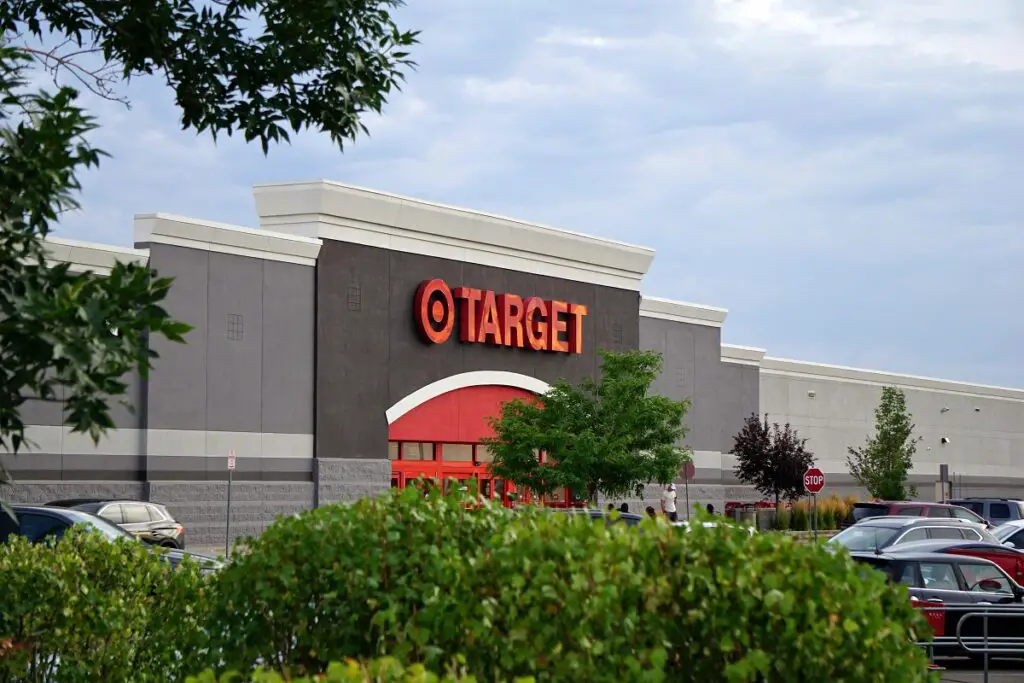
Digital transformation accelerated as Target integrated ecommerce with its stores, turning them into local fulfillment hubs for speed and cost efficiency. Acquisitions and capabilities such as Shipt, along with Drive Up and Order Pickup, created reliable same day options that customers adopted at scale. Owned brands like Good & Gather, Cat & Jack, and Threshold, plus shop in shop partnerships and the Roundel media network, round out a modern retail platform grounded in data, convenience, and differentiated product.
Value Proposition
Target delivers a balance of style, affordability, and convenience that fits modern lifestyles. The brand pairs curated national labels with beloved owned brands, while removing friction from shopping through store and digital innovation. Guests receive a consistent experience across channels, reinforced by trusted service and clear value.
Affordable Style and Quality
Target’s assortment blends trend-forward design with dependable everyday quality. Owned brands like Good & Gather, Cat & Jack, Threshold, and up & up elevate value through thoughtful features and accessible price points. National brands and limited collaborations add breadth without sacrificing affordability.
Omnichannel Convenience
Guests choose how they shop with Order Pickup, Drive Up, and same day delivery through Shipt. The mobile app streamlines browsing, payment, and returns, creating a seamless path from discovery to doorstep. Flexible fulfillment shortens wait times and removes barriers to repeat purchases.
Owned and Exclusive Brands
Target’s portfolio of exclusive labels builds differentiation and loyalty across key categories. Design led collections and collaborations create excitement that refreshes frequently, encouraging discovery on every visit. Strong private brand quality also expands margins while reinforcing trust.
Guest Experience and Store Design
Inviting layouts, clear wayfinding, and seasonal merchandising make stores easy to navigate and inspiring to explore. Knowledgeable team members, fast checkout, and an easy returns process reduce friction for busy guests. Policies such as price matching and clear promotions signal fairness and value.
Community and Sustainability
Target invests in inclusive assortments, community partnerships, and responsible sourcing. Initiatives around packaging, recycling, and emissions reduction aim to make value more sustainable over time. Local giving and education support strengthen community ties and brand goodwill.
Customer Segments
Target serves a wide range of guests who share a desire for reliable value and modern style. Each segment is supported by assortments, services, and messaging tailored to distinct needs. Omnichannel options unify these audiences under one coherent experience.
Family Households and Caregivers
Parents rely on Target for baby gear, diapers, kids apparel, and household essentials that balance durability with price. Cat & Jack and up & up deliver value, while convenient pickup options simplify weekly routines. Health and wellness offerings complement the one trip mission.
Young Professionals and Students
Young adults seek stylish basics, dorm and apartment essentials, and beauty at attainable prices. Curated home goods, tech accessories, and Ulta Beauty at Target help them build a personalized look without overspending. Fast fulfillment fits their on the go schedules.
Value Conscious Everyday Shoppers
Guests focused on budgets look for dependable quality and clear promotions across grocery, home, and personal care. Target Circle rewards and seasonal deals provide savings without complexity. Owned brands reinforce trust by delivering consistent performance at the right price.
Digital First and Omnichannel Users
These shoppers prioritize speed, transparency, and control through the app and website. They move fluidly between browsing, pickup, and same day delivery with Shipt. Personalized recommendations and streamlined returns enhance convenience and loyalty.
Urban and Small Format Communities
City residents and campus communities benefit from curated small format stores with high turnover essentials. Edited assortments emphasize grab and go, beauty, tech, and seasonal needs. Proximity and efficient checkout make quick trips easy.
Revenue Model
Target’s revenue is anchored in broad based retail sales supported by brand differentiation and omnichannel capabilities. Incremental streams from media, services, and financial partnerships strengthen profitability. Seasonal demand and exclusive assortments sustain traffic throughout the year.
Core Merchandise Sales
Apparel, home, beauty, and food and beverage form the backbone of revenue. A balance of national brands and owned labels reaches diverse budgets and preferences. Seasonal resets and curated end caps drive impulse and basket expansion.
Owned Brands and Design Collaborations
Exclusive labels deliver attractive margins and clear differentiation. Design partnerships and limited time collections create excitement and encourage repeat visits. Consistent quality fosters trust that compounds over time.
Retail Media and Data Solutions
Roundel, Target’s media network, monetizes audience reach with on site and off site advertising. Brands invest to access closed loop measurement and targeted placements. This channel scales with digital traffic and enhances vendor partnerships.
Same Day Fulfillment and Services
Shipt delivery fees and related services add revenue while increasing conversion. Convenience oriented options like Drive Up and Order Pickup can lift frequency and attachment. Operational efficiencies help preserve contribution margins at scale.
Financial Products, Gift Cards, and Add ons
RedCard and other financial partnerships generate interchange and program income with responsible usage. Gift card sales provide upfront cash flow and incremental trips upon redemption. Protection plans and ancillary services add modest but diversified revenue.
Cost Structure
Target manages a complex cost base spanning goods, people, logistics, and technology. Scale and process discipline aim to lower unit costs while protecting service quality. Investment choices favor capabilities that compound guest loyalty.
Merchandise Procurement and Vendor Terms
Cost of goods sold reflects global sourcing, commodity inputs, and vendor negotiations. Mix shifts toward owned brands can improve margin while requiring design and quality investment. Forecasting accuracy and allocation discipline reduce markdown exposure.
Store Labor and Guest Services
Wages, benefits, and training support consistent service and operational excellence. Staffing for fulfillment, checkout, and specialized areas like beauty adds complexity. Safety, cleanliness, and maintenance uphold the brand standard.
Supply Chain, Logistics, and Last Mile
Distribution centers, transportation, and inventory positioning drive significant fixed and variable costs. Same day fulfillment and curbside pickup require labor, packaging, and process optimization. Automation and improved forecasting seek to reduce touches and dwell time.
Digital Platforms and Data Security
Technology spend covers app and site development, cloud services, and integrations. Data privacy, cybersecurity, and fraud prevention are ongoing investments to protect trust. Analytics platforms enable personalization and smarter merchandising.
Marketing, Loyalty, and Corporate Overhead
Brand advertising, promotions, and Target Circle rewards represent planned investments in demand. Corporate functions, compliance, and sustainability programs add necessary structure. Depreciation, leases, and remodel capital complete the cost profile.
Key Activities
Target executes an integrated retail operating model that blends curated assortments with fast, flexible fulfillment. Daily activities align merchandising, supply chain, store operations, and digital experiences to create reliable value and convenience. The result is a consistent brand experience that scales across formats and seasons.
Merchandising and Assortment Planning
Teams plan category strategies, seasonal transitions, and pricing architectures that balance trend, quality, and value. Owned brand innovation complements national brands to fill whitespace and elevate differentiation. Vendor negotiations and value engineering ensure cost discipline while protecting guest-facing quality.
Omnichannel Fulfillment and Logistics
Inventory is positioned close to demand, with stores functioning as local hubs for pickup, drive up, and ship from store. Regional distribution and sortation assets compress cycle times and stabilize in-stock performance. Workforce scheduling, packaging standards, and last mile orchestration turn speed into a repeatable advantage.
Store Operations and Guest Experience
Frontline execution focuses on availability, clean presentation, and quick assistance. Visual merchandising, fitting room readiness, and service counters reinforce the brand’s approachable style. Safety, shrink reduction, and maintenance routines protect assets and experience quality.
Marketing and Loyalty Growth
Brand campaigns and promotional calendars stimulate traffic while protecting price perception. Loyalty mechanics connect Target Circle, the app, and payments to amplify relevance and repeat. Retail media capabilities extend reach and fund demand while maintaining guest-friendly ad standards.
Data and Inventory Optimization
Forecasting, replenishment, and allocation models tune inventory to local demand signals. Pricing, promotion, and markdown algorithms drive margin-aware decisions with clear guardrails. Analytics teams monitor KPIs in real time to cut stockouts, shorten backrooms, and improve sell-through.
Key Resources
Target’s competitive position is anchored by an ecosystem of physical assets, proprietary brands, technology, and talent. These resources compound together to produce convenience at scale with a distinctive brand voice. The portfolio is actively managed to stay resilient across demand cycles.
Store and Supply Network
A nationwide fleet of stores, distribution centers, and sortation sites supports fast, local fulfillment. Flexible formats allow urban infill and suburban dominance while preserving consistent guest standards. Store-enabled fulfillment reduces shipping distance and improves labor productivity.
Brand and IP Portfolio
Owned brands provide design, quality control, and margin advantages that are difficult to replicate. Exclusive collaborations refresh perception and create traffic-driving moments without permanent cost inflation. Trademarks, packaging, and style systems reinforce brand memory across categories.
Technology and Data Infrastructure
Enterprise platforms power assortment planning, inventory, pricing, and payments at scale. Modern data pipelines and analytics enable near real time visibility and decisioning. The app and site act as digital storefronts and identity hubs for personalized engagement.
Workforce and Culture
Team members embody the brand through service, presentation, and fulfillment excellence. Training programs, cross functional routines, and safety protocols support consistent performance. Culture centered on care and accountability increases retention and operational agility.
Financial Strength and Vendor Terms
Access to capital and disciplined cash management fund remodels, technology, and inventory turns. Favorable payment terms and volume leverage improve cost of goods and resiliency. Balanced investment across growth and productivity safeguards long term competitiveness.
Key Partnerships
Strategic partnerships expand Target’s capabilities in product development, logistics, media, and services. The company favors long term, metrics driven relationships that advance mutual growth. Governance, joint planning, and shared data standards keep execution aligned and scalable.
National Brand Vendors
Collaborations with leading CPG and specialty brands bring trusted assortments to guests. Joint business plans integrate innovation pipelines, promotions, and supply commitments. Co created displays and seasonal shops heighten discovery while protecting brand equity.
Owned Brand Co manufacturers and Designers
Manufacturing partners translate design intent into scalable, quality product at value price points. Ethical sourcing, testing, and compliance programs safeguard safety and brand standards. Design talent and studios accelerate trend capture and rapid iteration.
Logistics and Delivery Partners
Carrier networks and last mile providers complement store fulfillment with reliable home delivery. Capacity planning and service level agreements keep speed, cost, and quality in balance. Technology integrations support order tracking, routing, and exceptions management.
Retail Media and Marketing Alliances
Advertisers and agencies leverage Target’s media capabilities to reach high intent audiences. Creative standards and measurement frameworks protect guest experience and brand trust. Co marketing amplifies launches and seasonal moments with attributable performance.
Real Estate and Community Stakeholders
Developers, landlords, and municipalities enable growth through site selection and permitting. Community partners support workforce pipelines, safety initiatives, and local engagement. These relationships enhance brand goodwill and reduce operating friction.
Distribution Channels
Target’s distribution architecture blends a store first footprint with high performing digital touchpoints. Inventory and data move fluidly so guests can shop how and where they want. The objective is simple speed and reliability with brand consistency.
Brick and Mortar Stores
Stores anchor demand creation, product discovery, and local fulfillment. Layouts are optimized for convenience and inspirational merchandising across essential and discretionary categories. In store services provide human support that deepens trust and conversion.
Target.com and Mobile App
Digital storefronts offer full assortment access, rich content, and personalized offers. Seamless identity and payments simplify checkout while enabling loyalty benefits. Continuous UX optimization reduces friction and increases repeat usage.
Same Day Pickup and Drive Up
Guests can order online and receive products curbside or at the counter within hours. Store teams pick, stage, and hand off orders with minimal wait times. This channel turns convenience into habit and raises attachment through add ons.
Home Delivery and Subscriptions
Parcel shipping extends reach for bulky or specialty items not stocked locally. Recurring programs and reminders stabilize demand in replenishment categories. Clear delivery windows and easy tracking reinforce reliability.
Third Party and Media driven Traffic
Retail media placements and channel partnerships direct high intent shoppers into owned experiences. Content, influencers, and collaborations spark discovery that converts on site or in app. Attribution models inform spend and optimize cross channel efficiency.
Customer Relationship Strategy
Target builds durable relationships by combining value, style, and effortless service. The approach emphasizes personalization, trust, and a consistent experience across touchpoints. Every interaction is designed to be simple, human, and rewarding.
Loyalty and Rewards Ecosystem
Target Circle unifies rewards, personalized deals, and identity across channels. Payment integration and card benefits deepen engagement and frequency. Clear earning and redemption experiences strengthen perceived value and habit.
Personalization and CRM
Data driven profiles inform offers, recommendations, and channel sequencing. Messaging adapts to lifecycle stages, intent signals, and local context. Privacy standards and preference controls ensure relevance with respect.
Service Excellence and Easy Returns
Friendly assistance, flexible returns, and fast issue resolution reduce friction. Policies balance generosity with safeguards to protect the ecosystem. Consistent service outcomes build advocacy and trust.
Value and Brand Positioning
Communication highlights affordable quality with a modern, optimistic tone. Owned brands deliver style and function at accessible price points. Price integrity and strategic promotions protect trust while driving traffic.
Trust, Safety, and Community Impact
Product safety, ethical sourcing, and data security are treated as non negotiables. Community investments and inclusive design reflect brand values in action. Transparent reporting and responsible marketing reinforce credibility over time.
Marketing Strategy Overview
Target’s marketing approach blends mass reach with precision, uniting brand storytelling and performance tactics to drive profitable traffic. The strategy centers on elevating everyday value while protecting design credibility and convenience. It is anchored in an omnichannel experience that removes friction at every stage of the guest journey.
Omnichannel Integration
Target leverages stores as fulfillment hubs to power same day services like Drive Up, Order Pickup, and delivery powered by Shipt. Marketing highlights speed, certainty, and ease to reinforce habit formation around these services. Messaging links digital discovery with in store moments to raise conversion and repeat rates.
Data Driven Personalization
Target Circle fuels audience insights that shape promotional sequencing, media frequency, and assortment recommendations. Personalized offers are designed to be simple, automatically applied, and timed to life events and seasonal needs. The brand uses incrementality testing to optimize spend across search, social, and retail media.
Private Brand Storytelling
Owned brands like Cat and Jack, Goodfellow and Co, and Up and Up receive always on creative that emphasizes quality and value. Campaigns spotlight style led design and durability guarantees to build trust. Seasonal collections drive buzz through limited assortments and editorial merchandising.
Partnerships and Curated Collaborations
Target elevates relevance through partners such as Ulta Beauty at Target and Magnolia, turning trips into discovery driven experiences. Co branded launches get multi channel support from teaser content to store theater. Collaboration cadence is planned to sustain anticipation without saturating the calendar.
Community and Inclusivity
Marketing showcases inclusive sizing, multicultural moments, and local store support to reflect the communities Target serves. Content spans back to school, Lunar New Year, and Pride with authentic voices and practical value. Purpose messaging links to measurable actions, such as scholarships or supplier diversity goals.
Value Communication Without Dilution
Price perception is managed through clear deal architecture, simplified promotions, and everyday low price on essentials. Creative avoids heavy discount dependency by tying value to quality, longevity, and convenience. Roundel media extends value narratives to brand partners while protecting the guest experience.
Competitive Advantages
Target’s edge results from a balanced equation of brand, operations, and data. The company merges design forward curation with a highly productive store network that doubles as an e commerce engine. This combination supports both traffic growth and margin resilience.
Store as Hub Fulfillment
A majority of digital volume is fulfilled from stores, compressing delivery distance and cycle times. This improves unit economics while expanding same day coverage. Investments in sortation centers and backroom processes further reduce last mile cost.
Distinctive Curation and Design
Target differentiates through taste level private labels and exclusive collabs that sell the look across categories. Guests find on trend products at approachable prices, which increases basket attachment. Visual merchandising and content make discovery feel intentional rather than overwhelming.
Owned Brands and Margin Control
Private brands provide better gross margin and pricing flexibility in volatile markets. With scale across apparel, home, and essentials, Target can tune cost, quality, and innovation speed. Strong brand equity in these lines deepens loyalty and reduces direct price comparison.
Roundel Retail Media
Roundel monetizes Target’s audience and closed loop measurement for national advertisers. It funds sharper prices and improved experiences while giving vendors performance insights. The flywheel strengthens as advertisers align with in store and digital placements that drive attributable sales.
Guest Experience and Convenience
Drive Up with returns, order pickup, and easy navigation translate to reliable convenience. The refreshed Target Circle simplifies savings with automatic deals and personalized rewards. Frictionless service builds trust, which supports frequency and word of mouth.
Vendor Partnerships and Scale
Long standing supplier relationships secure access to innovation and promotional support. Joint business planning, shared data, and co funded marketing lift category performance. Scale in national brands plus owned brands allows effective portfolio pricing and inventory balancing.
Challenges and Risks
Despite strengths, Target faces cost, competition, and operational complexity. Macroeconomic variability can shift traffic patterns and basket composition quickly. Managing value perception without eroding margin remains a constant balancing act.
Price Competition and Trade Downs
Walmart, Amazon, and dollar formats push aggressive price messaging that pressures baskets. Guests may trade down to essentials only, reducing discretionary categories where Target shines. Sustaining differentiation while protecting price gaps is a persistent risk.
Supply Chain Volatility
Global logistics and vendor lead times can create mismatches between demand and inventory. Seasonal misses tie up capital and trigger markdowns that dilute margin. Mitigation needs agile forecasting, nearshoring options, and tighter vendor collaboration.
Shrink and Store Safety
Rising shrink from theft and damage impacts profitability and complicates assortment decisions. Store safety incidents can disrupt operations and harm brand sentiment. Countermeasures must balance loss prevention with a welcoming guest experience.
Regulatory and Data Privacy
Evolving privacy rules challenge the scale and precision of audience targeting. Signal loss from platform changes can reduce media efficiency and measurement clarity. Compliance requires robust first party data strategies and transparent value exchange.
Labor and Experience Consistency
Staffing to support service levels in fulfillment and front end operations is hard during tight labor markets. Training and retention affect drive up speed, picking accuracy, and guest satisfaction. Wage inflation raises costs that can be difficult to offset quickly.
Technology Debt and Integration
Legacy systems, if not modernized, slow experimentation and omnichannel synchronization. Integrations across POS, inventory, and media must be resilient to spikes. Missed upgrades can erode performance that guests have come to expect.
Future Outlook
Looking ahead, Target’s path focuses on profitable convenience, brand distinctiveness, and smarter media economics. The company will continue turning stores into high velocity nodes while deepening loyalty through Target Circle. Strategic bets lean into technology that makes shopping faster and more personal.
Acceleration of Same Day Services
Expanded sortation and delivery density should compress time windows and lower last mile cost. Drive Up enhancements, including returns and expanded assortments, increase trip consolidation. Marketing will emphasize certainty, from inventory availability to pickup readiness notifications.
Next Gen Personalization
Investments in AI will sharpen offer relevance, creative variation, and real time decisioning. Target Circle will coordinate benefits across banking, credit, and partner perks to lift lifetime value. Measurement will move toward unified models that quantify incrementality across channels.
Owned Brand Innovation
New and refreshed private labels will target gaps in quality, sustainability, and fit. Limited editions will spark discovery while core lines provide dependable value. Content will blend editorial style guidance with practical how to utility.
Retail Media Expansion
Roundel will broaden self service tools and offsite reach with closed loop attribution. Deeper retail media integration with promotions will coordinate price, placement, and creative. This creates a shared win for vendors, guests, and Target’s margin structure.
Store Experience and Services
Remodels and localized assortments will heighten shopability and speed. Shop in shop concepts like beauty and baby services add expertise and credibility. Operational tech will streamline picking, backroom flow, and real time shelf accuracy.
Sustainability and Community Impact
Packaging reduction, circularity pilots, and supplier standards will support ESG goals. Clear labeling and take back programs can convert intent into action. Community investments will reinforce trust and drive local relevance.
Conclusion
Target’s business model thrives at the intersection of brand, convenience, and operational discipline. By using stores as omnichannel engines and elevating design forward value, the company creates a differentiated reason to visit and to click. As retail competition intensifies, the ability to align pricing, media, and assortment around guest needs will determine share gains.
Continued investment in data, fulfillment, and retail media positions Target to weather macro cycles while compounding loyalty. The near term focus on same day excellence, personalized savings, and owned brand innovation supports both relevance and profitability. With disciplined execution, Target can extend its role as a trusted destination for essentials and inspiration, turning everyday shopping into a reliably rewarding experience.
