
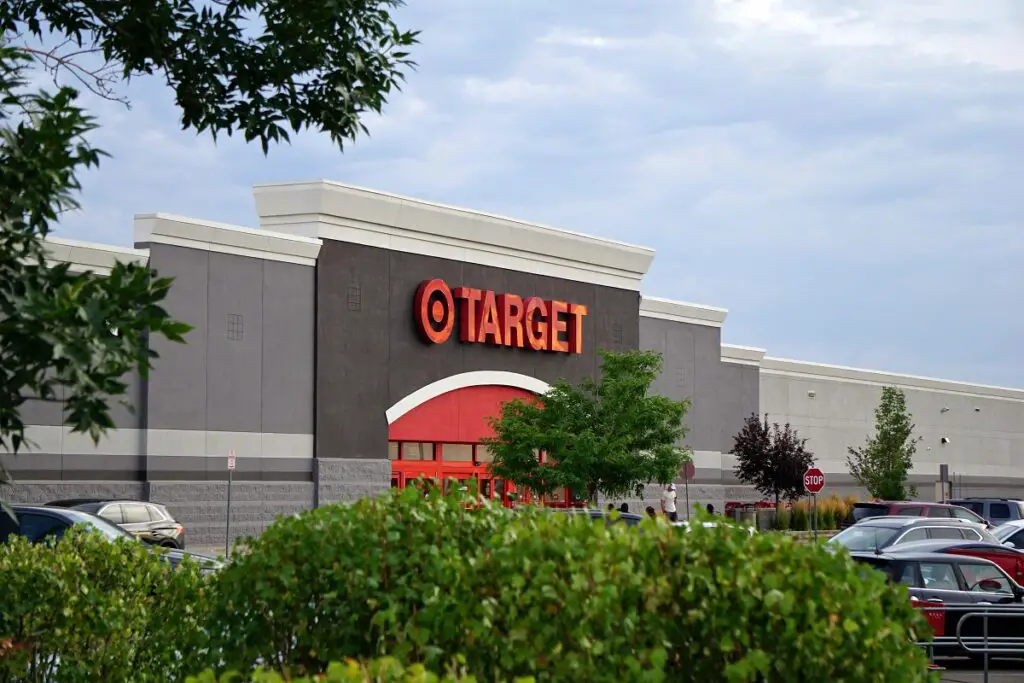
Since opening its first store in 1962 near Minneapolis, Target has grown into one of America’s most influential mass retailers. Built on a promise of style and value, the brand popularized the “Expect More. Pay Less.” proposition, bridging discount pricing with a more curated experience. Its nationwide footprint and strong digital capabilities have made Target a fixture for everyday essentials and trend-driven finds.
Target primarily serves value-conscious families, young professionals, and suburban shoppers who want quality, convenience, and style without premium prices. The company’s appeal spans grocery, household basics, apparel, beauty, home, and electronics, which encourages frequent basket-building trips. Thoughtful merchandising, clean stores, and seasonal collections reinforce its position as a one-stop destination.
What sets Target apart is its combination of owned brands, exclusive designer collaborations, and reliable omnichannel services. Shoppers lean on features like Drive Up, Order Pickup, and same-day delivery for speed and flexibility. Loyalty programs and promotions through Target Circle, along with easy returns, deepen engagement and keep value front and center.
You may also find these guides helpful:
1. Target Marketing Strategy
2. Target Marketing Mix
3. Target SWOT Analysis
4. Target Business Model
5. Target Branding Strategy
Key Criteria for Evaluating Target Competitors
Comparing alternatives to Target requires more than a simple price check. The best evaluations consider value, convenience, product mix, and the overall customer experience. Use the following criteria to compare strengths and gaps across retailers.
- Price and value: Review everyday pricing, promo cadence, and price-matching policies. Consider private-label value compared to national brands.
- Assortment breadth and quality: Assess categories covered, depth in essentials versus discretionary, and the uniqueness of private brands and exclusives.
- Omnichannel convenience: Examine store proximity, curbside and in-store pickup, same-day delivery options, and shipping speed. Evaluate app and website usability.
- Customer experience and merchandising: Look at store layout, cleanliness, checkout speed, and seasonal curation. Design-forward presentation can lift perceived value.
- Loyalty and promotions: Compare rewards programs, personalized offers, and credit card benefits. Frequent, relevant deals drive repeat visits.
- Availability and supply chain: Check in-stock rates, inventory visibility, and pickup order fill accuracy. Fast replenishment reduces out-of-stock frustration.
- Brand trust, ethics, and sustainability: Consider sourcing standards, community impact, and environmental commitments. Transparency can influence long-term loyalty.
- Customer service and policies: Review return windows, price adjustments, and support channels. Friendly, reliable service mitigates friction when issues arise.
Top 12 Target Competitors and Alternatives
Walmart
As the largest U.S. retailer by revenue, Walmart competes head to head with Target across general merchandise and groceries. Its supercenter model caters to value seekers who want depth of assortment and everyday low prices in one trip. Walmart has also accelerated digital services, which reinforces its role as a one stop alternative.
- National footprint with thousands of supercenters, neighborhood markets, and Sam’s Club adjacency, giving broad coverage in suburban and rural markets.
- Extensive categories including groceries, household essentials, apparel, home, toys, beauty, pharmacy, and automotive, which mirrors Target’s core mix.
- Everyday low price strategy, supported by massive scale and supply chain efficiency, attracts budget conscious shoppers.
- Omnichannel strength with curbside pickup, store pickup, and same day delivery through Walmart, GoLocal, and partners, reducing friction for busy households.
- Walmart+ membership offers fuel discounts, free delivery from store on qualifying orders, and streaming perks, creating a compelling value ecosystem.
- Private brands such as Great Value, Equate, and George deliver margin friendly alternatives to national brands.
- Robust marketplace expands online assortment far beyond in store aisles, giving breadth similar to Amazon while anchored by stores.
- Consumers consider Walmart when price, close to home convenience, and full cart shopping are the priority, making it a clear Target substitute.
Amazon
Amazon dominates e commerce with vast selection and fast delivery, which challenges Target’s omnichannel proposition. The company’s Prime ecosystem nurtures loyalty through shipping, entertainment, and exclusive deals. Its growing physical presence with Amazon Fresh and returns partnerships makes it a versatile alternative.
- Unmatched online assortment across electronics, home, apparel, beauty, baby, and pantry, including marketplace sellers and Amazon private labels.
- Prime benefits such as free two day or faster shipping on many items, Prime Video, and exclusive promotions keep shoppers engaged year round.
- Convenience features including Subscribe and Save, Buy with Prime, and easy returns streamline repeat purchasing.
- Broad device and smart home portfolio, from Echo and Fire TV to Ring, enhances cross selling and household stickiness.
- Same day and next day options in many metros, plus Amazon Fresh and Whole Foods delivery, rival Target’s Drive Up and Shipt services.
- Personalization and recommendations drive discovery across long tail categories where Target typically curates.
- Consumers pick Amazon as an alternative when speed, deep selection, and at home convenience outweigh the in store experience.
- Robust review system and search tools help compare products quickly, reducing decision friction for value and quality focused shoppers.
Costco
Costco’s membership warehouse model appeals to families and small businesses that buy in bulk for savings. Known for quality and value, the chain pairs limited SKUs with high turnover to keep prices sharp. Its Kirkland Signature brand enjoys strong trust, often competing directly with national labels.
- Club format emphasizes bulk groceries, household essentials, appliances, electronics, furniture, and seasonal goods, covering many Target staples.
- Membership economics allow low margins and aggressive pricing, creating a price perception advantage for large basket trips.
- Kirkland Signature private label is a differentiator for quality at strong value in categories from food to apparel to batteries.
- In warehouse services like optical, pharmacy, hearing aids, and photo add convenience that complements core shopping.
- Limited SKU strategy simplifies choice and speeds shopping, while reinforcing negotiation leverage with suppliers.
- Travel, auto, and insurance services extend membership utility beyond retail, deepening loyalty.
- Shoppers consider Costco when stocking up for families or events, or when unit price and quality outrank brand variety.
- Increasing delivery options through Instacart and Costco same day expand convenience for members who want Target like ease.
Sam’s Club
Backed by Walmart, Sam’s Club blends club pricing with digital conveniences and scan and go checkout. Its membership value resonates with budget focused households and small businesses. The assortment overlaps with Target in groceries, home, electronics, and seasonal goods.
- Warehouse model emphasizes bulk value, private brands like Member’s Mark, and curated national brands across everyday categories.
- Scan and Go shopping with mobile checkout saves time, a differentiator for tech friendly shoppers who want faster trips.
- Curbside pickup and delivery options, including Instacart, provide club savings with Target like convenience.
- Fuel stations at many clubs add member value and trip consolidation benefits.
- Business friendly packs and services support office, restaurant, and gig economy purchasing.
- Strong price perception on staples and seasonal merchandise can shift large baskets from Target to Sam’s.
- Digital app features, subscriptions, and membership tiers align benefits to household or business needs.
- Consumers view Sam’s Club as an alternative when they want bulk savings with modern, fast checkout and pickup experiences.
BJ’s Wholesale Club
BJ’s targets value oriented families on the East Coast and Midwest with a flexible club experience. The chain accepts manufacturer coupons, which appeals to deal seekers who like extra savings on top of bulk prices. Its mix spans groceries, general merchandise, and services that overlap with Target’s key categories.
- Club assortment includes fresh food, pantry, small appliances, TVs, furniture, toys, and seasonal décor, similar to Target’s core ranges.
- Manufacturer coupons and BJ’s coupons stack for savings, a unique draw among warehouse clubs.
- Same day delivery and curbside pickup bring convenience that rivals Target’s Drive Up and same day partners.
- Private labels like Wellsley Farms and Berkley Jensen offer value alternatives in food and home goods.
- Gas stations at many locations add trip efficiency and cost savings for members.
- Membership tiers provide cash back rewards, increasing loyalty among frequent shoppers.
- Smaller club footprints compared to competitors can make stores easier to navigate for quick trips.
- Shoppers choose BJ’s when they want club pricing, coupon flexibility, and convenient digital services in one place.
Kroger
Kroger leads traditional U.S. grocers with a vast network of supermarkets and multi banner brands. While food is the anchor, its general merchandise, beauty, and household aisles compete with Target for weekly trips. Investments in digital and fulfillment have strengthened Kroger’s convenience edge.
- Strong grocery leadership with fresh, pantry, and specialty items, plus private brands like Simple Truth and Private Selection for quality and value.
- General merchandise in select formats covers kitchenware, seasonal, baby, and personal care, overlapping with Target needs.
- Pickup and delivery via in house operations and partners extend convenience for time starved shoppers.
- Fuel rewards integrated with loyalty cards create compelling savings on gasoline that influence store choice.
- Health and wellness offerings, including pharmacy and clinic services in many stores, deepen utility for families.
- Personalized digital coupons and weekly promotions reward loyalty and drive basket growth.
- Automated fulfillment through facilities like customer fulfillment centers enhances delivery speed and availability.
- Consumers see Kroger as an alternative when fresh food quality, weekly deals, and integrated rewards top the priority list.
Meijer
Meijer pioneered the supercenter concept and remains a Midwest mainstay for one stop shopping. Its stores pair full line groceries with apparel, home, baby, and seasonal categories. The regional focus enables strong community ties and localized assortments.
- Balanced merchandise mix similar to Target, spanning produce, pantry, health and beauty, electronics, toys, and home essentials.
- Everyday value pricing complemented by weekly promotions and mPerks digital coupons creates savings momentum.
- Convenience features such as curbside pickup, same day delivery via partners, and 24 hour service in select markets serve busy households.
- Private brands like True Goodness and Meijer brand deliver value alternatives across food and nonfood.
- Store layouts emphasize quick trips and full cart shopping, appealing to families looking to consolidate errands.
- Local sourcing and community programs resonate with regional shoppers who value neighborhood investment.
- Seasonal and garden centers, plus sporting goods, broaden trip missions beyond groceries.
- Shoppers compare Meijer to Target when they want a similar one stop experience with strong grocery depth in the Midwest.
Kohl’s
Kohl’s is a department store focused on value driven apparel, footwear, home, and beauty, often located in convenient strip centers. Known for stackable deals and Kohl’s Cash, the retailer attracts families hunting for savings. Partnerships and store in store concepts have refreshed its assortment.
- Strength in national and private label apparel for women, men, and kids, plus home textiles, small appliances, and décor.
- Promotional model with Kohl’s Cash and coupons provides perceived savings that rival Target sales events.
- Sephora at Kohl’s elevates beauty assortments and adds a prestige draw alongside mass cosmetics.
- Easy in store Amazon returns drive traffic and convenience, creating cross channel appeal.
- Buy online, pick up in store and curbside options support fast fulfillment for giftable and seasonal items.
- Home and activewear segments align closely with Target’s strengths, making category switching common.
- Accessible locations, often with ample parking, enable quick trips for apparel, basics, and home needs.
- Consumers view Kohl’s as an alternative when fashion value, beauty access, and deal stacking are top priorities.
T.J. Maxx
Operated by TJX Companies, T.J. Maxx leads off price retail with branded apparel and home goods at discounted prices. The treasure hunt experience appeals to shoppers who enjoy discovery and value. Inventory turns quickly, encouraging frequent visits and impulse finds.
- Off price model delivers 20 to 60 percent savings versus department and specialty stores on apparel, shoes, handbags, and home décor.
- Rotating assortments and limited quantities create urgency, a different but compelling alternative to Target’s curated in line brands.
- Complementary banners like Marshalls and HomeGoods extend reach across fashion and home categories.
- Lean store operations and opportunistic buying help keep prices sharp without heavy advertising.
- Gift and seasonal aisles overlap with Target missions for holidays, parties, and home refreshes.
- Shoppers choose T.J. Maxx when brand hunting and value outweigh the need for exact sizes or specific items.
- Omnichannel remains limited, but select online assortments expand access to deals beyond local stores.
- Strong presence in suburban centers makes it an easy add on to multipurpose shopping trips.
Best Buy
Best Buy stands out as the leading specialty retailer for consumer electronics and appliances. Its service centric model, including Geek Squad, differentiates the brand in setup and support. The chain competes with Target on TVs, gaming, smart home, and small appliances.
- Deep expertise and assortment in electronics, computing, mobile, audio, and appliances, exceeding Target’s depth for tech purchases.
- Geek Squad services provide installation, protection plans, and repairs, reducing friction for complex products.
- Price match guarantees and periodic deal events appeal to bargain minded tech shoppers.
- Buy online, pick up in store, curbside pickup, and same day delivery enable fast gratification similar to Target’s offerings.
- Membership programs with product protection and member pricing can create ongoing savings and support.
- In store demos and knowledgeable associates aid discovery and confidence for big ticket items.
- Shoppers compare Best Buy with Target when prioritizing selection, expert help, and services for electronics and appliances.
- Marketplace partnerships and expanded online assortment increase availability of accessories and niche tech.
Dollar General
Dollar General operates small box stores in rural and suburban communities, emphasizing convenient value on essentials. The chain focuses on consumables and everyday basics at competitive price points. Rapid store growth has expanded its reach into areas where large formats are sparse.
- Assortment covers snacks, pantry, cleaning, paper goods, health and beauty, seasonal, and limited apparel basics.
- Smaller footprints reduce trip time and support quick fill in missions, a contrast to Target superstores.
- Low prices and frequent promotions make it a go to for budget shoppers managing weekly expenses.
- Private labels and close to home locations drive loyalty among households seeking convenience over breadth.
- Newer formats like DG Market and DGX broaden fresh and urban assortments, increasing competitive overlap.
- Digital coupons and app based savings deliver easy discounts without heavy planning.
- Shoppers consider Dollar General when they need essentials fast and at low cost, without navigating a large store.
- Supply chain investments continue to improve in stock levels on high velocity consumables.
Big Lots
Big Lots focuses on value home, furniture, seasonal, and closeout merchandise that appeals to deal seekers. The retailer’s assortment shifts with opportunistic buys, creating fresh finds on each visit. Its stores often serve cost conscious households looking to furnish or refresh rooms affordably.
- Strength in furniture, mattresses, home décor, storage, and seasonal items complements Target’s home business at lower price points.
- Closeout and special buys deliver unique values that are not consistently available at Target.
- Financing options and credit programs make larger purchases more accessible to budget shoppers.
- Omnichannel capabilities including buy online, pick up in store and delivery for furniture support convenience.
- Consumables and pantry sections capture add on trips for basics, increasing basket size.
- Frequent promotions and rewards programs drive repeat visits for bargain hunting.
- Shoppers choose Big Lots when they prioritize low cost home makeovers, patio sets, and seasonal décor.
- Smaller store sizes and straightforward layouts enable quick discovery of deals and clearance opportunities.
Macy’s
Macy’s remains a prominent department store with a broad assortment in apparel, beauty, home, and gifts. The brand leverages private labels and national names to offer style and quality across price tiers. Flagship locations and growing off mall formats keep the chain visible to mainstream shoppers.
- Strong presence in women’s and men’s apparel, shoes, handbags, jewelry, and beauty, overlapping with Target’s fashion and beauty categories.
- Home assortments include bedding, kitchenware, small appliances, and décor, offering trade up options to Target’s mass offerings.
- Frequent promotional events, Star Rewards, and cardholder benefits provide tangible savings and loyalty incentives.
- Omnichannel services such as buy online pickup in store, same day delivery in select metros, and easy returns rival mass retailers.
- Backstage off price concepts inside stores add value oriented discovery similar to treasure hunt formats.
- Exclusive designer collaborations and private labels differentiate style choices from mass merchandising.
- Shoppers consider Macy’s when seeking wider fashion selection, beauty services, and giftable brands beyond Target’s curated mix.
- Marketplace expansion online increases brand breadth and availability for specialty categories.
Five Below
Five Below caters to teens, tweens, and value shoppers with trendy items typically priced at five dollars and up. Its playful merchandising and fast product cycles make it a destination for impulse buys. The chain competes with Target on seasonal, toys, tech accessories, and novelty gifts.
- Focused categories include toys and games, accessories, beauty, tech gadgets, candy, room décor, and fitness basics, which overlap with Target impulse zones.
- Sharp value perception through low price points encourages multi item baskets and frequent trips.
- Rapid trend adoption and design led private label items keep assortments fresh for social savvy shoppers.
- Smaller stores near power centers and malls create convenience for quick visits and gifting runs.
- Seasonal resets and event based merchandising mirror Target’s holiday and back to school excitement.
- Omnichannel options including buy online pickup in store help bridge discovery from social media to store.
- Parents and students choose Five Below for party favors, dorm and room refreshes, and affordable tech accessories.
- Fun in store experience with color, signage, and games builds brand affinity beyond pure price.
Top 3 Best Alternatives to Target
Walmart
Walmart stands out as the closest like-for-like rival to Target, combining a massive store footprint with everyday low prices and deep grocery coverage. Its assortment spans fresh food, household basics, apparel, electronics, toys, and seasonal goods, which makes trip consolidation simple. The integration of stores and eCommerce keeps popular items in stock and within easy reach.
Key advantages include consistently sharp pricing, frequent rollbacks, and broad curbside pickup and same day delivery availability. Walmart+ can add free delivery from store with a minimum order and fuel savings at participating stations, which boosts value for frequent shoppers. It best suits budget focused families and anyone who wants one-stop shopping with fast local fulfillment.
Amazon
Amazon stands out for unmatched selection across nearly every retail category, plus a frictionless digital experience. Search, reviews, and personalized recommendations make discovery fast, while real time inventory visibility keeps expectations clear. For many metro areas, delivery windows range from same day to two day.
Key advantages include Prime shipping on eligible items, easy returns through lockers and partner locations, and convenient subscriptions like Subscribe & Save. The platform excels for time-strapped shoppers, remote customers without nearby big box stores, and tech-forward households. It suits users who prioritize speed, breadth, and doorstep convenience over browsing in store.
Costco
Costco stands out with a membership model that trades smaller assortments for bulk value and quality, anchored by the Kirkland Signature private label. Per unit prices are often hard to beat on pantry staples, paper goods, snacks, and household products. The treasure hunt rotation of seasonal deals adds excitement and savings.
Key advantages include competitive gas prices at many locations, a generous return policy, and in club services such as optical, pharmacy, and travel. Same day delivery is available in many areas through partners, which extends the value beyond the warehouse. Costco suits large households, small businesses, and shoppers who can store bulk quantities to maximize savings.
Final Thoughts
There is no single replacement for Target, and that is good news for shoppers. Walmart, Amazon, and Costco each deliver distinct strengths, from low in store prices to unrivaled selection to bulk value. Depending on your priorities, these alternatives can fill the role of a primary retailer or complement Target on specific categories.
Start by mapping what matters most, such as grocery depth, delivery speed, membership benefits, return flexibility, or in store experience. Then compare total cost of ownership, including annual fees, shipping or delivery minimums, and the time you save. With a clear checklist, you can pick the retailer that fits your life, stay within budget, and shop with confidence.
